U.
HomeRegionsLanguagesEmotionsCollections
Find Your Word

“The limits of my language mean the limits of my world.”

— Ludwig Wittgenstein, Philosopher

Untranslatable

A curated collection of the world's most beautiful expressions—words that remind us language is humanity's greatest invention.

  • Home
  • Collections
  • Regions
  • Countries
  • Emotions
  • Tags
  • Contexts
  • Finder
  • Europe
  • Asia
  • Americas
  • Africa
  • Middle East
  • About
  • Contact
  • Privacy Policy
  • Terms of Service

2026 © Untranslatable. All rights reserved.

    /
    /
    1. Home
    2. /
    3. Americas
    4. /
    5. Yoliliztli
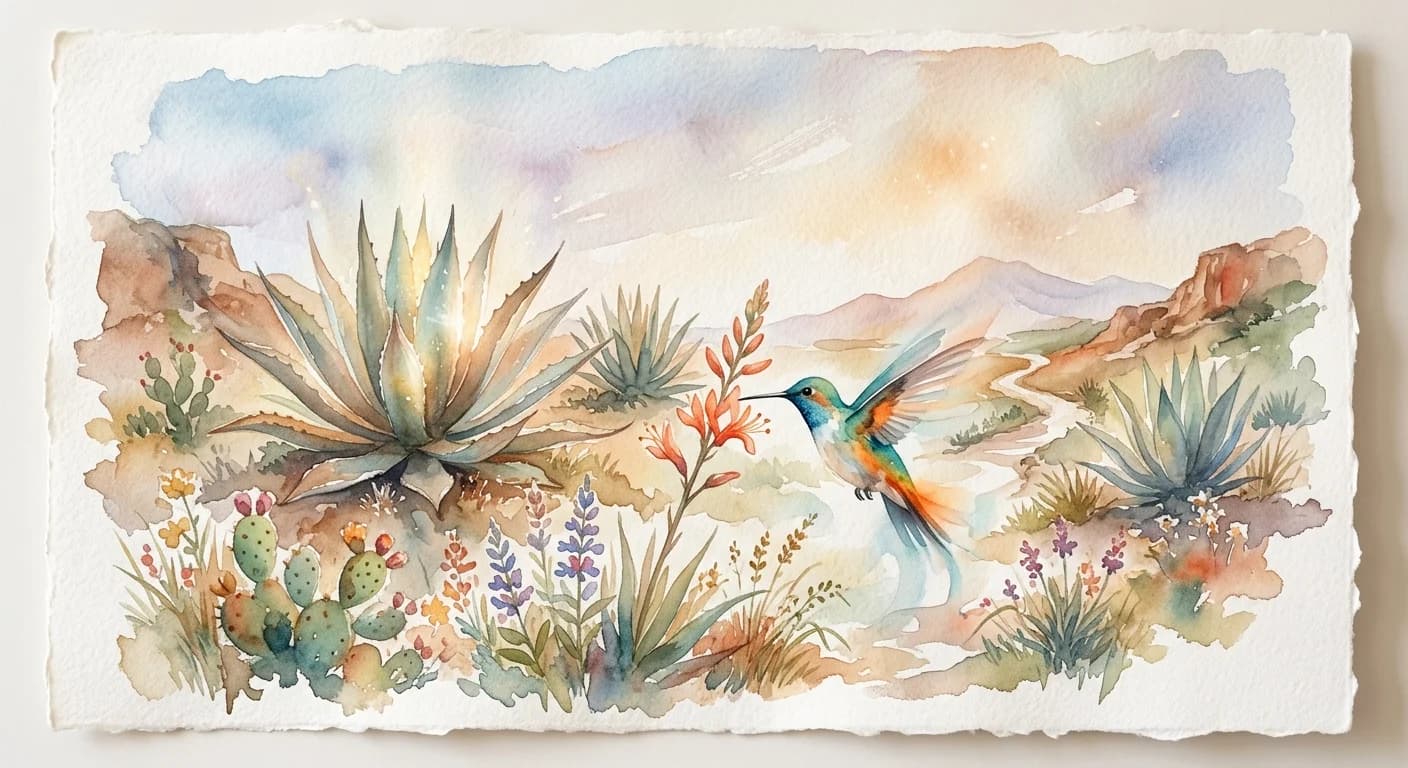
    Artistic representation of yoliliztli
    Nahuatl•
    🇲🇽Mexico

    Yoliliztli

    /yo-lee-LEEZT-lee/

    Meaning

    Yoliliztli is the vibrant, pulsating essence that animates all existence, far beyond mere biological function. It is the unyielding life force, the very breath and spirit that infuses every living being with purpose and vitality, from the smallest seed pushing through soil to the soaring eagle. This profound concept embodies not just the state of being alive, but the active, dynamic energy and inherent sacredness of life itself, connecting individuals to the universal flow of creation and presence.

    Literal Translation

    life, vitality

    The Story Behind the Word

    In Nahua thought, yoliliztli is intrinsically linked to the sacred cosmos and the divine forces that bring forth and sustain life. It reflects a worldview where all living things are interconnected and imbued with a spiritual essence. This word highlights the reverence for nature and the understanding that human life is not separate from the vitality of the natural world, but deeply dependent on it. The well-being of an individual, a community, and the land were seen as intertwined, with the strength of one's yoliliztli being crucial for health, prosperity, and spiritual alignment. It underscores a holistic understanding of existence, where physical and spiritual vitality are inseparable.

    Experience It

    A Child's Laughter

    A grandmother watches her grandchild playing, their laughter echoing through the market. She smiles, thinking, 'Such strong yoliliztli! That child is truly alive, full of the spirit of our ancestors and the joy of the sun.'

    Harvest Blessing

    During the harvest festival, a farmer offers thanks to the earth, feeling the rich soil beneath his hands. He reflects on the corn's yoliliztli, the life force that nourished his family, and prays for its continued abundance for the coming year.

    The Deeper Meaning

    Yoliliztli reveals a profound ecological and spiritual philosophy. It posits that life is not just a biological phenomenon but a sacred, animating principle that permeates the entire cosmos. This worldview emphasizes interconnection, respect for all living things, and the understanding that human well-being is contingent upon maintaining harmony with the vital forces that sustain the world. It suggests that true existence is a state of active, vibrant engagement with this universal life force.

    Did You Know?

    The root 'yoli' means 'to live,' and the suffix '-liztli' transforms it into an abstract noun, emphasizing the inherent quality and state of 'life itself' rather than just 'a life.'

    How It's Used

    Used to refer to life force, vitality, or the spirit of a living being. It can be invoked in discussions about health, energy, or the fundamental nature of existence.

    Emotion
    excitement
    Contexts
    health,nature,philosophy
    🇲🇽Mexico

    by Dr. Kenji Tanaka·Written Mar 10, 2026·Updated Apr 3, 2026

    Related Words

    Explore more
    Pura vidaSpanish

    More than just 'pure life,' "Pura vida" encapsulates a profound philosophy of embracing the present moment with unwavering optimism and gratitude. It's a daily commitment to finding joy in simple pleasures, accepting life's challenges with a positive spirit, and prioritizing well-being over material possessions. This ubiquitous phrase reflects a national identity built on resilience, community, and an deep appreciation for nature's bounty.

    MamihlapinatapaiYaghan

    Mamihlapinatapai encapsulates that profound, unspoken moment when two individuals lock eyes, each silently acknowledging a mutual desire or intention, yet both hesitate to be the first to act upon it. It's a delicate dance of anticipation, a shared gaze brimming with common understanding and a quiet longing for the other to break the ice. This intricate look carries the weight of a shared, uninitiated potential, a silent conversation where both parties are perfectly aware of what could happen, but neither makes the first move.

    TingoPascuense

    Tingo describes the subtle, insidious process of progressively appropriating a neighbor's belongings by habitually requesting to borrow them, only to 'forget' their return. It's not outright theft, but a slow, deliberate erosion of another's possessions, often under the guise of neighborly exchange. This gradual accumulation, piece by piece, ultimately results in a significant transfer of goods without any direct confrontation or formal acknowledgment of the loss. It speaks to a passive-aggressive form of acquisition, where social niceties are weaponized.

    PåskekrimNorwegian

    Påskekrim, or 'Easter crime,' encapsulates a beloved Norwegian tradition where the serene, often snow-draped Easter holiday transforms into a national obsession with crime fiction. It's a cultural phenomenon deeply woven into the fabric of springtime, where families retreat to cozy cabins, their minds alight with anticipation for new mystery novels, thrilling TV series, and gripping radio plays. This unique juxtaposition of peaceful holiday and dark intrigue creates a distinctive atmosphere, making the pursuit of whodunits an integral part of the Easter experience.