Kammerspiel
/KAM-er-shpeel/
Meaning
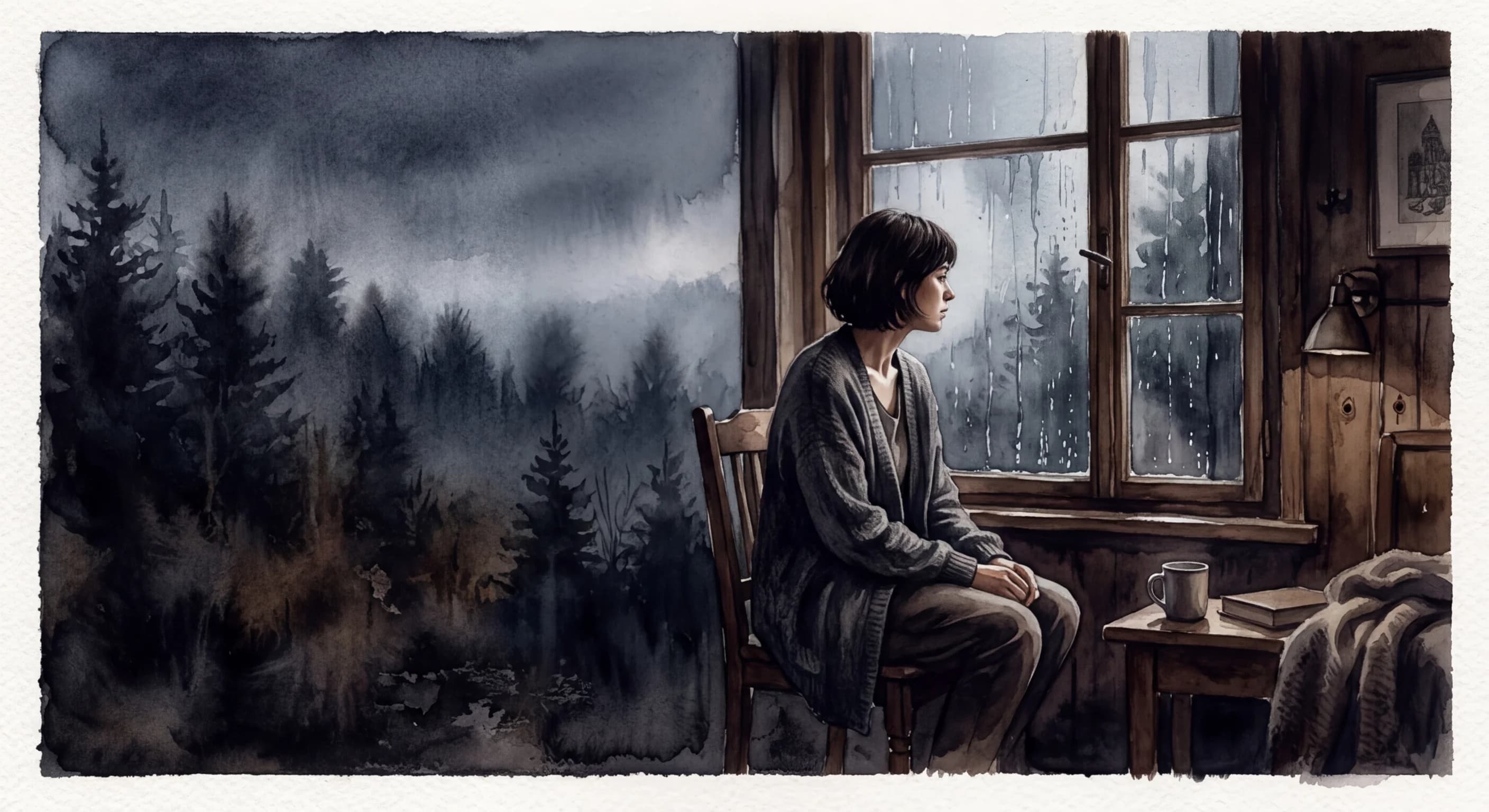
Kammerspiel, literally 'chamber play,' describes a distinctive dramatic form originating in German theater, later influencing cinema. It focuses intensely on the psychological struggles of a very small cast, often confined to an intimate, almost claustrophobic setting. Eschewing grand external conflicts, it delves into the subtle, often tormenting, internal lives and interpersonal dynamics of characters, creating a profound sense of emotional realism and concentrated atmosphere. This style emphasizes nuanced performances and a deep exploration of the human psyche, making it a powerful vehicle for exploring existential themes.
Literal Translation
chamber play
The Story Behind the Word
The Kammerspiel emerged in early 20th-century Germany, particularly influenced by Max Reinhardt's Kammerspiele theater in Berlin, which sought to offer a more intimate, psychologically penetrating alternative to grand, spectacular stage productions. It resonated deeply with the Expressionist movement's focus on internal states and subjective reality, reflecting a society grappling with rapid modernization, existential angst, and the aftermath of World War I. This emphasis on internal conflict over external action reveals a German cultural inclination towards introspection and a belief that profound drama often unfolds within the individual soul and the close-knit confines of personal relationships, rather than solely on a grand public stage. It speaks to a fascination with the hidden currents of human motivation and the often-subtle power dynamics within small groups.
Experience It
Family Dinner Tensions
A family dinner scene unfolds in a dimly lit dining room. No shouting, no dramatic revelations, yet every glance, every hesitant word, every repressed sigh reveals decades of unspoken resentments and unfulfilled desires, creating an almost unbearable psychological tension that hangs heavy in the air.
Office Power Play
Two colleagues, vying for the same promotion, share a small, sterile office. Their dialogue is polite, almost bland, but the subtle shifts in posture, the calculated silences, and the barely perceptible micro-expressions betray a fierce, unspoken battle for dominance and recognition, a true Kammerspiel of corporate ambition.
The Deeper Meaning
Kammerspiel reflects a profound philosophical stance: that the most significant dramas of human existence are often not epic battles or societal upheavals, but rather the quiet, agonizing struggles within the individual and the intricate, often fraught, dynamics of intimate relationships. It suggests that true depth lies in introspection and the exploration of the inner landscape, revealing the universal human condition through the magnifying glass of a confined world. This worldview prioritizes psychological realism and the nuanced portrayal of internal states over external spectacle.
Did You Know?
The Kammerspielfilm, a cinematic extension of the Kammerspiel, was a significant movement in German cinema of the 1920s, known for its psychological depth, sparse sets, and often claustrophobic atmosphere, exemplified by films like F.W. Murnau's 'The Last Laugh'.
How It's Used
Used in theater and film criticism to describe a specific genre or style of play or movie that focuses on a small cast and intimate psychological drama.