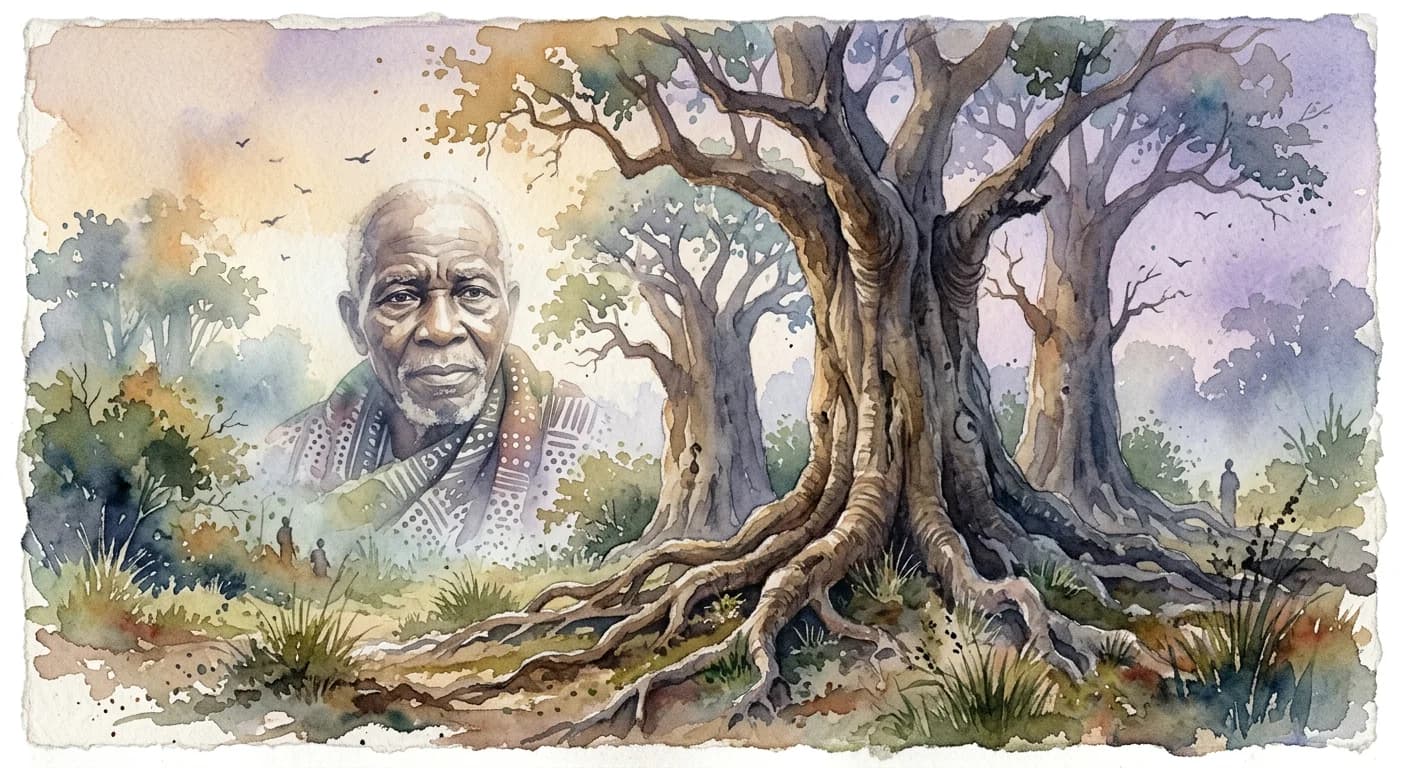
Àgbà
/AHG-bah/
Meaning
“Àgbà” transcends a simple reference to age, embodying a profound reverence for elders and the deep well of wisdom they possess within Yoruba culture. It signifies not just seniority, but a lifetime of accumulated experience, moral fortitude, and the invaluable knowledge passed down through generations. To be recognized as “àgbà” is to be acknowledged as a respected figure whose counsel is sought after, whose presence commands deference, and who serves as a vital custodian of tradition, guiding the community with sagacity and integrity. It reflects a core cultural appreciation for the elderly as living libraries of communal heritage.
Literal Translation
elder
The Story Behind the Word
The concept of "Àgbà" is deeply interwoven with the Yoruba worldview, which emphasizes communal harmony, respect for lineage, and the cyclical nature of life. Historically, elders were the sole repositories of oral traditions, medicinal knowledge, judicial precedents, and spiritual guidance. This made their insights indispensable for the survival and prosperity of the community. The existence of "Àgbà" reveals a society where wisdom is not just valued but actively sought and integrated into daily life and governance. It underscores a belief that true authority and leadership are earned through experience, character, and a demonstrated commitment to collective well-being, rather than solely through power or wealth. This reverence ensures the continuity of cultural values and ethical frameworks across generations.
Experience It
Community Meeting
During a tense community meeting discussing land boundaries, a younger leader begins to speak. However, upon the arrival of Baba Sola, an esteemed elder, the leader pauses, offering a respectful bow and saying, 'Ẹ kú àgbà, Baba.' The entire room hushes, recognizing the weight of Baba Sola's presence and anticipating his measured wisdom.
Seeking Counsel
A young aspiring entrepreneur faces a difficult business decision. Instead of relying solely on modern advice, she visits her grandmother, known for her sharp mind and extensive life experience. She greets her with 'Ìyá àgbà, mo kí yín,' then carefully explains her dilemma, knowing her grandmother's perspective will be rooted in profound, time-tested understanding.
The Deeper Meaning
The concept of "Àgbà" reveals a profound philosophical understanding of time, experience, and the intergenerational transfer of knowledge. It posits that wisdom is not merely intellectual accumulation but a lived, embodied truth gained through navigating life's complexities. This worldview emphasizes that the past is not merely history but a living resource, continuously informing and guiding the present through the voices and experiences of its elders, thus ensuring societal stability and cultural resilience.
Did You Know?
In some traditional Yoruba communities, even if someone is chronologically older, they might not be considered 'àgbà' if they lack wisdom, good character, or community contribution, highlighting that age alone is insufficient.
How It's Used
Used as a form of address or reference to an elder, signifying respect and acknowledging their status and wisdom within the community.