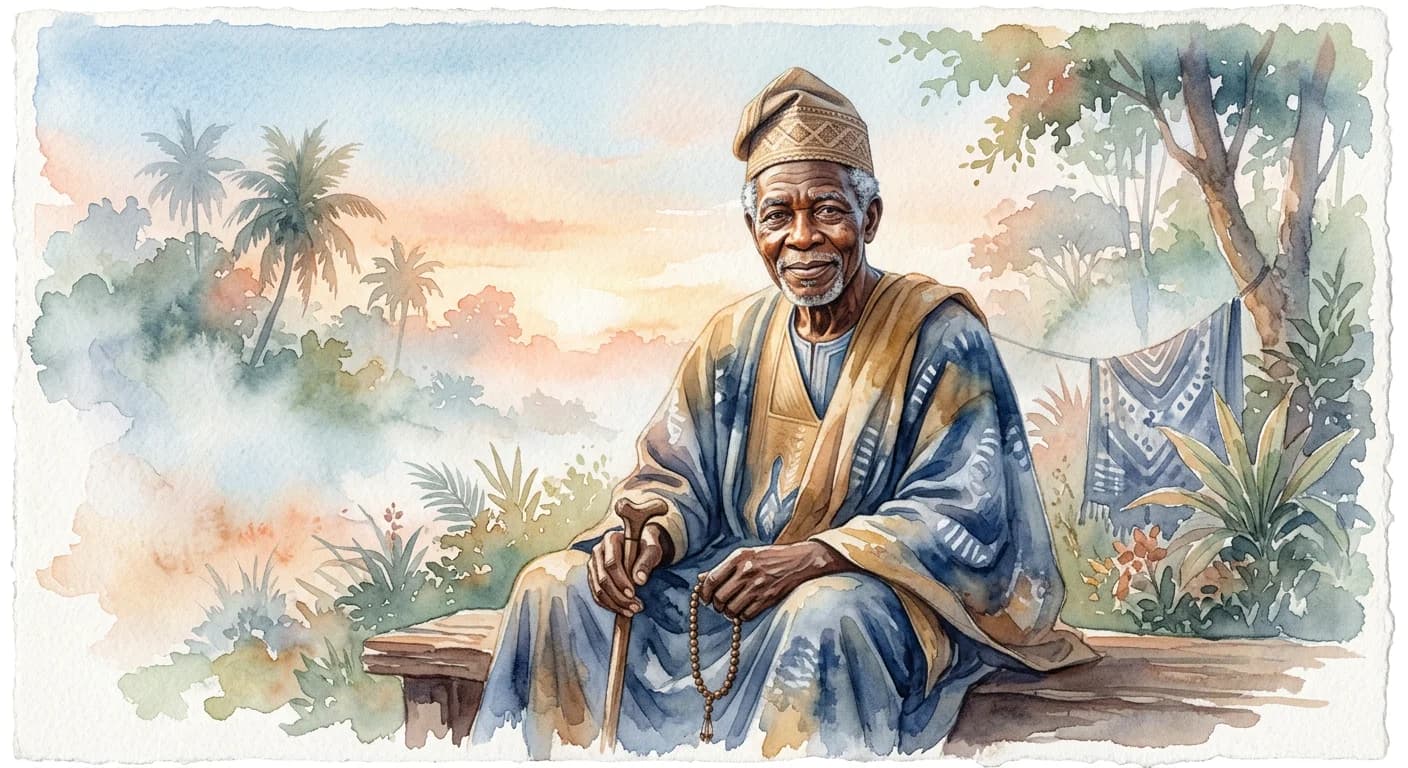
Ọ̀gá
/OH-gah/
Meaning
Ọ̀gá transcends a mere title; it embodies a revered position of leadership and expertise within Yoruba society. It signifies a person whose wisdom, experience, and authority command respect, often acting as a mentor or guiding force within their community, family, or profession. To address someone as Ọ̀gá is to acknowledge their significant influence and the trust placed in their judgment, reflecting a blend of deference and a deep-seated recognition of their role as a pillar of guidance. It suggests a figure whose word carries weight and whose direction is followed with a sense of security and loyalty.
Literal Translation
master, boss, leader
The Story Behind the Word
The existence of 'Ọ̀gá' in Yoruba culture speaks volumes about the societal value placed on hierarchy, wisdom, and communal well-being. Historically, Yoruba communities were structured around age-grade systems and chieftaincy, where experienced elders and leaders were vital for maintaining order, resolving disputes, and guiding collective endeavors. 'Ọ̀gá' reflects this deep-seated respect for those who have accumulated knowledge and demonstrated capability. It's not just about power; it's about the responsibility that comes with leadership – the expectation that an Ọ̀gá will act with integrity, foresight, and for the benefit of those they lead. The word reveals a worldview where guidance from experienced individuals is crucial for societal harmony and progress, fostering a culture of mentorship and respect for established authority.
Experience It
Seeking Ọ̀gá's Counsel
A young apprentice approaches his master carpenter, a respected elder in the craft. "Ọ̀gá, I'm struggling with this joint," he says, holding up a piece of wood. The master, Ọ̀gá, patiently takes the wood, examines it, and offers a precise, encouraging instruction.
Ọ̀gá's Decision
During a family meeting to discuss a challenging financial matter, the eldest uncle, who has always guided the family, listens intently to everyone's input. After careful consideration, he makes a pronouncement. Everyone nods, accepting Ọ̀gá's decision without question, trusting his wisdom.
The Deeper Meaning
Ọ̀gá embodies the Yoruba philosophical concept of 'ìwà pẹ̀lẹ́' (good character) and 'ọgbọ́n' (wisdom) as prerequisites for true leadership. It suggests that authority is not merely inherited or seized, but earned through demonstrated competence, ethical conduct, and the ability to guide others effectively. The word underscores a communal ethos where individual success is intertwined with collective progress, and skilled leadership is seen as essential for flourishing. It highlights a society that values experience and mentorship as cornerstones of development.
Did You Know?
While primarily used for men, 'Ọ̀gá' can sometimes be extended to women in positions of significant authority or expertise, like a female business owner or a highly respected professional, though less common.
How It's Used
Used to address or refer to a male boss, master, leader, owner, or elder, typically in a respectful manner. It can also be used in a more general sense to mean 'master' or 'expert' in a particular field.