U.
HomeRegionsLanguagesEmotionsCollections
Find Your Word

“The limits of my language mean the limits of my world.”

— Ludwig Wittgenstein, Philosopher

Untranslatable

A curated collection of the world's most beautiful expressions—words that remind us language is humanity's greatest invention.

  • Home
  • Collections
  • Regions
  • Countries
  • Emotions
  • Tags
  • Contexts
  • Finder
  • Europe
  • Asia
  • Americas
  • Africa
  • Middle East
  • About
  • Contact
  • Privacy Policy
  • Terms of Service

2026 © Untranslatable. All rights reserved.

    /
    /
    1. Home
    2. /
    3. Africa
    4. /
    5. Ìyà
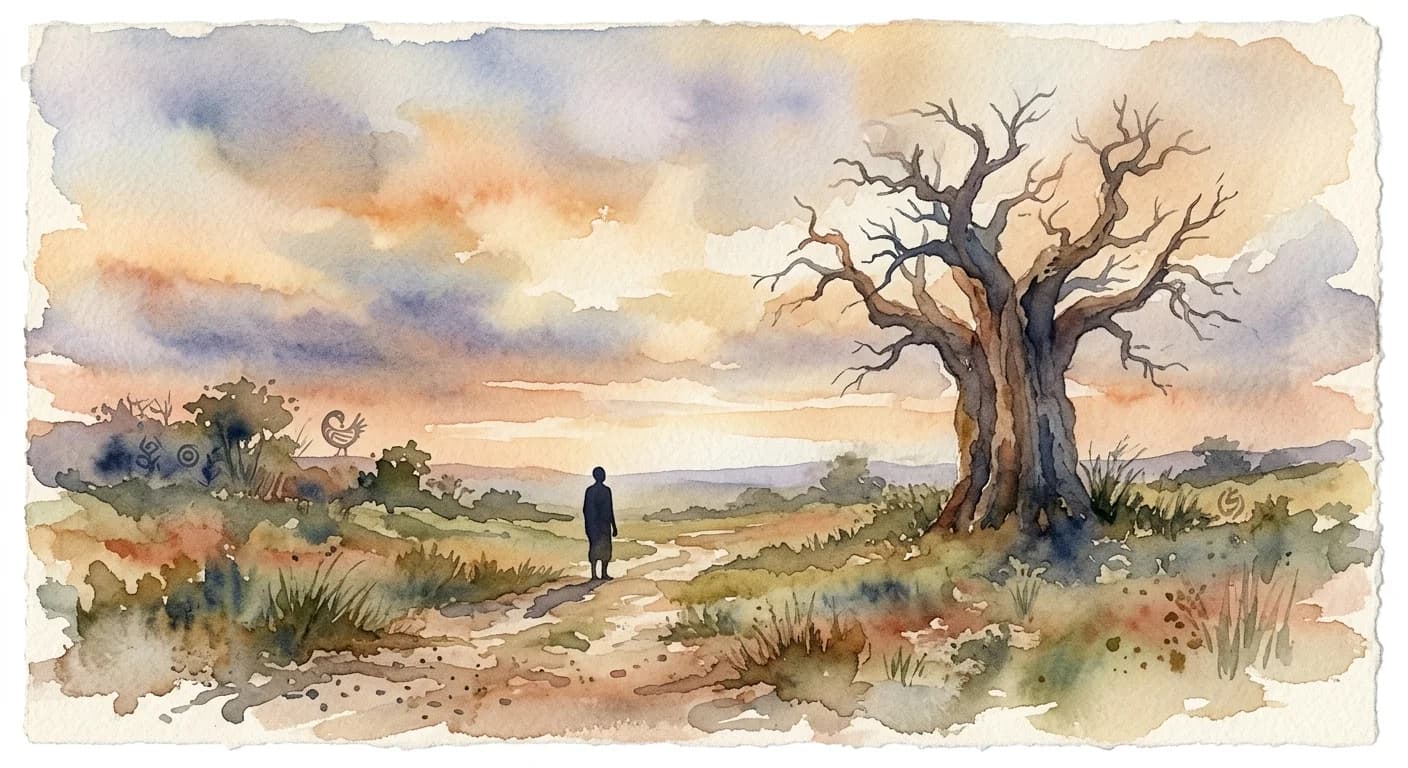
    Artistic representation of Ìyà
    Yoruba•
    🇳🇬Nigeria

    Ìyà

    /ee-YAH/

    Meaning

    Ìyà transcends mere physical pain, encapsulating a profound, often prolonged, suffering that tests the very core of one's being. It speaks to the deep-seated adversities and profound struggles that individuals and communities endure, often over extended periods, reflecting a journey through immense trials. This term carries the weight of historical and existential suffering, acknowledging the resilience required to navigate life's most challenging circumstances and the human capacity to bear immense burdens, often with a quiet strength forged in perseverance.

    Literal Translation

    suffering, hardship

    The Story Behind the Word

    In Yoruba culture, Ìyà is not just a descriptor of misfortune but a philosophical concept deeply intertwined with destiny (Àyànmọ́) and character (Ìwà). The Yoruba worldview often accepts that suffering is an inevitable part of the human experience, a crucible through which character is refined and wisdom is gained. It's believed that enduring Ìyà with fortitude can lead to spiritual growth and a deeper understanding of life's complexities. This word exists because the Yoruba people have a long history of resilience, navigating periods of conflict, colonialism, and socio-economic challenges, embedding the concept of enduring hardship as a communal strength and individual rite of passage. It reflects a society that values perseverance and the wisdom gleaned from adversity.

    Experience It

    A Mother's Sacrifice

    A mother works tirelessly, facing immense financial strain to ensure her children are educated and fed. Her neighbors recognize her plight, often remarking, 'Àbí obìnrin yìí ti kojá Ìyà púpọ̀,' meaning 'This woman has endured much Ìyà,' acknowledging her profound sacrifices and strength.

    Community's Resilience

    After a devastating flood, the community banded together, rebuilding their homes and lives with unwavering determination. An elder, observing the collective effort, declared, 'A ti rí Ìyà, ṣùgbọ́n a kò jẹ́ kí ó bì wá lulẹ̀,' meaning 'We have seen much Ìyà, but we will not let it conquer us,' highlighting their shared endurance.

    The Deeper Meaning

    Ìyà reveals a Yoruba philosophy that embraces suffering not as a purely negative experience, but as a potent catalyst for growth and character development. It underscores the belief that enduring hardship with resilience can lead to spiritual maturity, wisdom, and a deeper appreciation for life. This perspective fosters a communal sense of empathy and admiration for those who navigate profound challenges with grace and strength.

    Did You Know?

    Did you know that Ìyà is also sometimes used in a more nuanced way to describe the 'suffering' or 'pain' a parent might inflict on a child as a form of discipline, with the intention of teaching a lesson, rather than pure malice?

    How It's Used

    Used to describe personal or collective suffering, hardship, or adversity, often with a connotation of endurance and resilience.

    Emotions
    melancholy,resilience,sadness
    Context
    daily life
    🇳🇬Nigeria

    by Kwame Nkrumah·Written Mar 10, 2026·Updated Apr 3, 2026

    Related Words

    Explore more
    SaudadePortuguese

    Saudade encapsulates a profound, melancholic longing for something or someone cherished that is absent, often with the bittersweet knowledge that it may never return. It's a deep emotional state tinged with nostalgia, evoking a sense of loss for past experiences, places, or people, yet also holding a tender appreciation for the beauty of what once was. This yearning is not merely sadness, but a complex tapestry of desire, memory, and a poignant acceptance of absence, holding the beloved in a warm, persistent embrace within the heart.

    JugaadHindi

    Jugaad is more than just a quick fix; it embodies the spirit of resourceful, ingenious improvisation in the face of scarcity or systemic challenges. It's the art of bending rules, repurposing materials, and thinking outside the box to achieve a desired outcome, often with limited financial or technological resources. This approach celebrates clever workarounds and innovative adaptations, turning constraints into catalysts for creative problem-solving. It's about making do and making something work, brilliantly.

    SisuFinnish

    Sisu embodies a profound inner fortitude, an unwavering resolve that manifests as extraordinary determination and courage, particularly when facing seemingly insurmountable obstacles. It’s the deep-seated grit to persevere against all odds, to push through physical and mental exhaustion, and to maintain an unyielding spirit even when defeat appears inevitable. Sisu is not a fleeting burst of bravery, but a sustained, quiet resilience that compels one to act and endure when all rational hope is lost, drawing on an almost primal wellspring of strength.

    UbuntuZulu/Xhosa

    Ubuntu is a profound African philosophy that translates to 'I am because we are,' signifying that an individual's humanity is inextricably linked to the humanity of others. It embodies the belief that our existence and well-being are deeply intertwined with the community. This concept emphasizes compassion, reciprocity, dignity, and the understanding that true fulfillment is found not in isolation, but through collective flourishing and mutual support. It's a call to recognize and affirm the humanity in everyone, fostering a sense of interconnectedness.