Kine
/KEE-nay/
Meaning
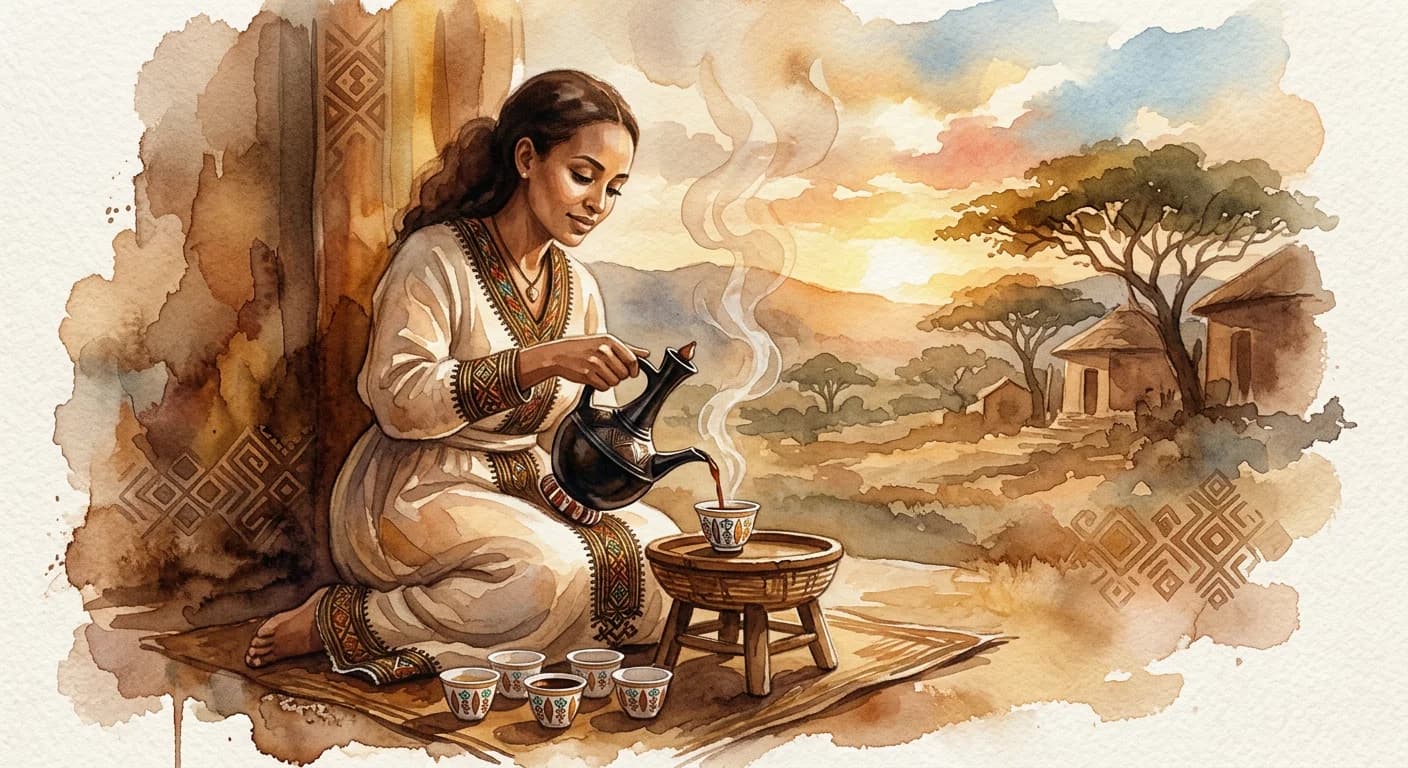
Kine in Amharic transcends a mere beverage; it signifies a deeply cherished, dark, and aromatic coffee, meticulously prepared through the traditional Ethiopian coffee ceremony. This ritual, involving the roasting, grinding, and brewing in a 'jebena,' is a profound symbol of hospitality, friendship, and communal bonding. The intoxicating aroma that permeates the air cultivates an atmosphere of warmth and connection, transforming the act of drinking coffee into a revered social experience far exceeding simple taste.
Literal Translation
Coffee
The Story Behind the Word
The word "Kine" embodies millennia of Ethiopian heritage, rooted in the very birthplace of coffee. Its existence reveals a culture where social connection, hospitality, and ritual are paramount. The coffee ceremony, at the heart of "Kine," is not merely a custom but a living tradition that reinforces community ties, settles disputes, and celebrates life's milestones. It reflects a worldview where time is savored, presence is valued, and shared experience is the bedrock of society. The meticulous preparation, from green bean to fragrant cup, is a testament to the respect given to both the coffee itself and the guests partaking in it, highlighting a profound appreciation for natural gifts and human connection.
Experience It
Evening Kine Gathering
After a long day, Auntie Almaz invites her neighbors in. The rich scent of roasting beans signals the start of the 'Kine' ceremony, a comforting ritual where stories are shared, laughter rings out, and the day's worries melt away with each fragrant cup served from the 'jebena'.
Welcoming a Stranger
A traveler arrives in a village, tired and unfamiliar. Without a word, a family ushers them in, and the preparation of 'Kine' begins. The offering of the dark, steaming coffee is a silent, yet powerful, gesture of welcome, trust, and immediate inclusion into the community.
The Deeper Meaning
The concept of "Kine" underscores a philosophy of communalism and mindful living. It teaches that true nourishment extends beyond physical sustenance, encompassing spiritual and social well-being forged through shared experiences. The unhurried pace of the ceremony encourages presence and connection, valuing human relationships and the simple joys of life over speed and individualistic pursuits.
Did You Know?
Ethiopian legend claims coffee was discovered by a goat herder named Kaldi, whose goats became energetic after eating berries from a particular tree. Monks later used the berries to stay awake during long prayers.
How It's Used
Used to refer to traditional Ethiopian coffee, especially when prepared and shared in a social context.