U.
HomeRegionsLanguagesEmotionsCollections
Find Your Word

“The limits of my language mean the limits of my world.”

— Ludwig Wittgenstein, Philosopher

Untranslatable

A curated collection of the world's most beautiful expressions—words that remind us language is humanity's greatest invention.

  • Home
  • Collections
  • Regions
  • Countries
  • Emotions
  • Tags
  • Contexts
  • Finder
  • Europe
  • Asia
  • Americas
  • Africa
  • Middle East
  • About
  • Contact
  • Privacy Policy
  • Terms of Service

2026 © Untranslatable. All rights reserved.

    /
    /
    1. Home
    2. /
    3. Africa
    4. /
    5. Ogbanje
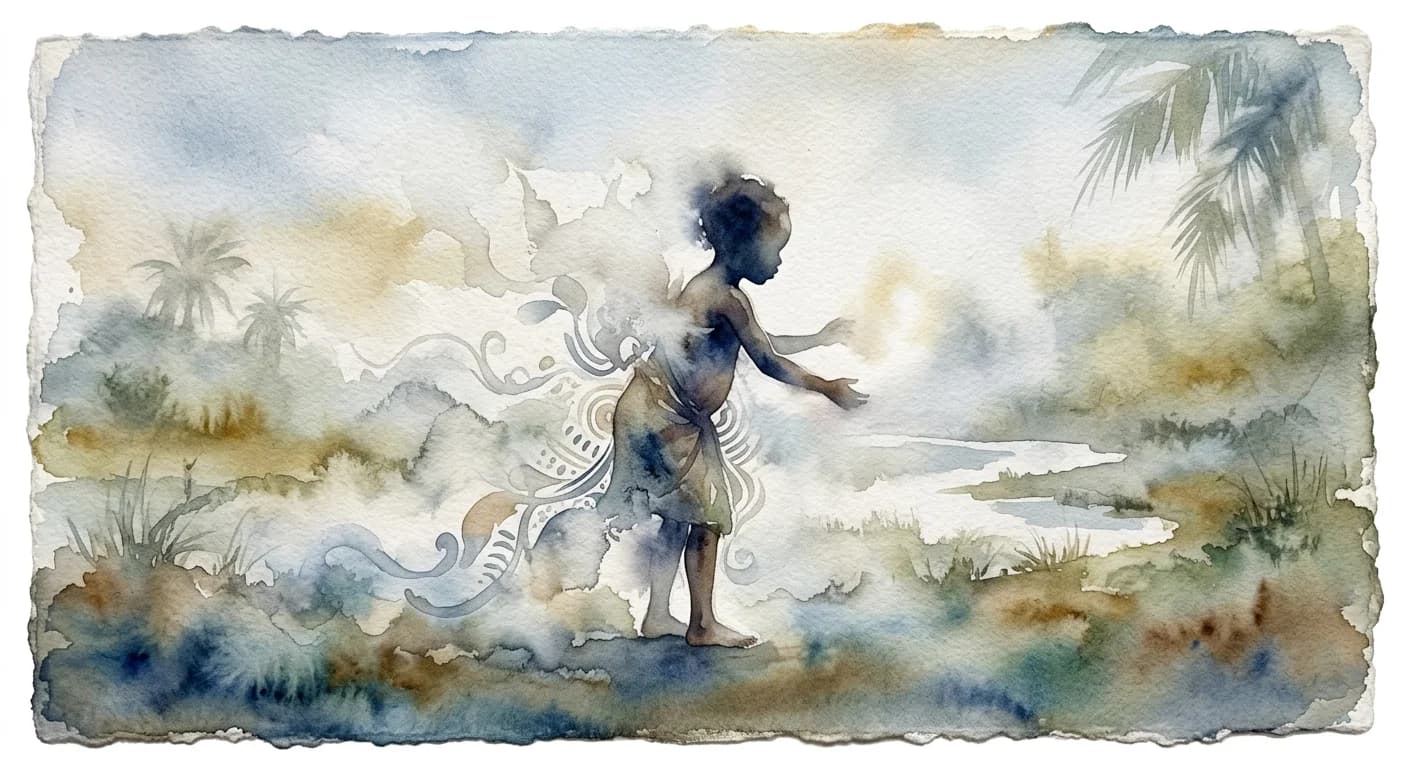
    Artistic representation of Ogbanje
    Igbo•
    🇳🇬Nigeria

    Ogbanje

    /oh-GBAHN-jay/

    Meaning

    Ogbanje refers to a child believed to be an 'evil spirit' or a spirit that has chosen to be reborn into a particular family. These spirits are thought to intentionally die and return to the spirit world, often causing immense suffering to their earthly families through recurrent illness, hardship, or the tragic death of other children. The concept embodies a profound sense of dread and helplessness, as families grapple with the belief that their child is not truly theirs but a malevolent entity playing a cruel game of reincarnation, leaving behind a trail of sorrow and despair.

    Literal Translation

    Spirit child or evil spirit child

    The Story Behind the Word

    The concept of Ogbanje is deeply rooted in Igbo cosmology, where the spiritual and physical worlds are inextricably linked. It emerged as a cultural framework to understand and cope with high infant mortality rates and inexplicable recurring misfortunes within families before modern medicine. Rather than attributing these tragedies solely to natural causes, the Ogbanje belief provided a spiritual explanation, offering a narrative for suffering and a means for the community to process grief. It reflects a worldview where individual destiny can be intertwined with spiritual contracts, and where the unseen realm actively influences earthly life. This belief system also highlights the profound value placed on children and lineage in Igbo society, making the 'loss' of an Ogbanje particularly devastating.

    Experience It

    The Lingering Illness

    A young mother, Nneka, watches her child waste away from a mysterious illness that has plagued her family for generations. Elders whisper of an Ogbanje, suggesting the child's spirit is merely biding its time before returning to the spirit world, just as her elder siblings had done. Nneka, desperate, consults a diviner, hoping to break the spiritual cycle.

    Breaking the Cycle

    After several miscarriages and the loss of two infants, Amara's family is convinced she is an Ogbanje, determined to torment them. Following traditional rituals, they mark her body with indelible patterns and perform a symbolic 'breaking of the oath' to sever her ties to the spirit world, hoping to compel her spirit to stay in the physical realm and live a full life.

    The Deeper Meaning

    The Ogbanje concept reveals a worldview that grapples with existential questions of suffering, fate, and the nature of selfhood. It suggests that identity is not solely physical but deeply spiritual, and that individual destinies can be pre-ordained or influenced by unseen forces. It also underscores humanity's universal quest for meaning in the face of inexplicable tragedy, providing a spiritual lens through which to interpret and cope with profound loss and recurring misfortune.

    Did You Know?

    Chinua Achebe's iconic novel 'Things Fall Apart' features a powerful depiction of an Ogbanje child, Ezinma, whose mother, Ekwefi, endures immense suffering due to the belief that her daughter is a spirit child destined to die and be reborn.

    How It's Used

    Used in Igbo communities, particularly in Nigeria, to describe a child believed to be an 'evil spirit' or a reincarnated spirit that causes misfortune.

    Emotions
    fear,longing,melancholy
    Contexts
    childhood,family
    🇳🇬Nigeria

    by Kwame Nkrumah·Written Mar 10, 2026·Updated Apr 3, 2026

    Related Words

    Explore more
    SaudadePortuguese

    Saudade encapsulates a profound, melancholic longing for something or someone cherished that is absent, often with the bittersweet knowledge that it may never return. It's a deep emotional state tinged with nostalgia, evoking a sense of loss for past experiences, places, or people, yet also holding a tender appreciation for the beauty of what once was. This yearning is not merely sadness, but a complex tapestry of desire, memory, and a poignant acceptance of absence, holding the beloved in a warm, persistent embrace within the heart.

    MamihlapinatapaiYaghan

    Mamihlapinatapai encapsulates that profound, unspoken moment when two individuals lock eyes, each silently acknowledging a mutual desire or intention, yet both hesitate to be the first to act upon it. It's a delicate dance of anticipation, a shared gaze brimming with common understanding and a quiet longing for the other to break the ice. This intricate look carries the weight of a shared, uninitiated potential, a silent conversation where both parties are perfectly aware of what could happen, but neither makes the first move.

    UbuntuZulu/Xhosa

    Ubuntu is a profound African philosophy that translates to 'I am because we are,' signifying that an individual's humanity is inextricably linked to the humanity of others. It embodies the belief that our existence and well-being are deeply intertwined with the community. This concept emphasizes compassion, reciprocity, dignity, and the understanding that true fulfillment is found not in isolation, but through collective flourishing and mutual support. It's a call to recognize and affirm the humanity in everyone, fostering a sense of interconnectedness.

    JantelovenDanish

    Janteloven, or the Law of Jante, is a pervasive, unspoken social code deeply ingrained in Nordic culture. It dictates that no individual should believe themselves superior, more talented, or more deserving than others, fostering an ethos of collective equality and modesty. This powerful cultural norm discourages overt displays of success or ambition, subtly reinforcing a community-first mindset where blending in is often preferred over standing out. It's a constant, gentle pressure to remain humble, ensuring everyone feels equally valued within the social fabric.