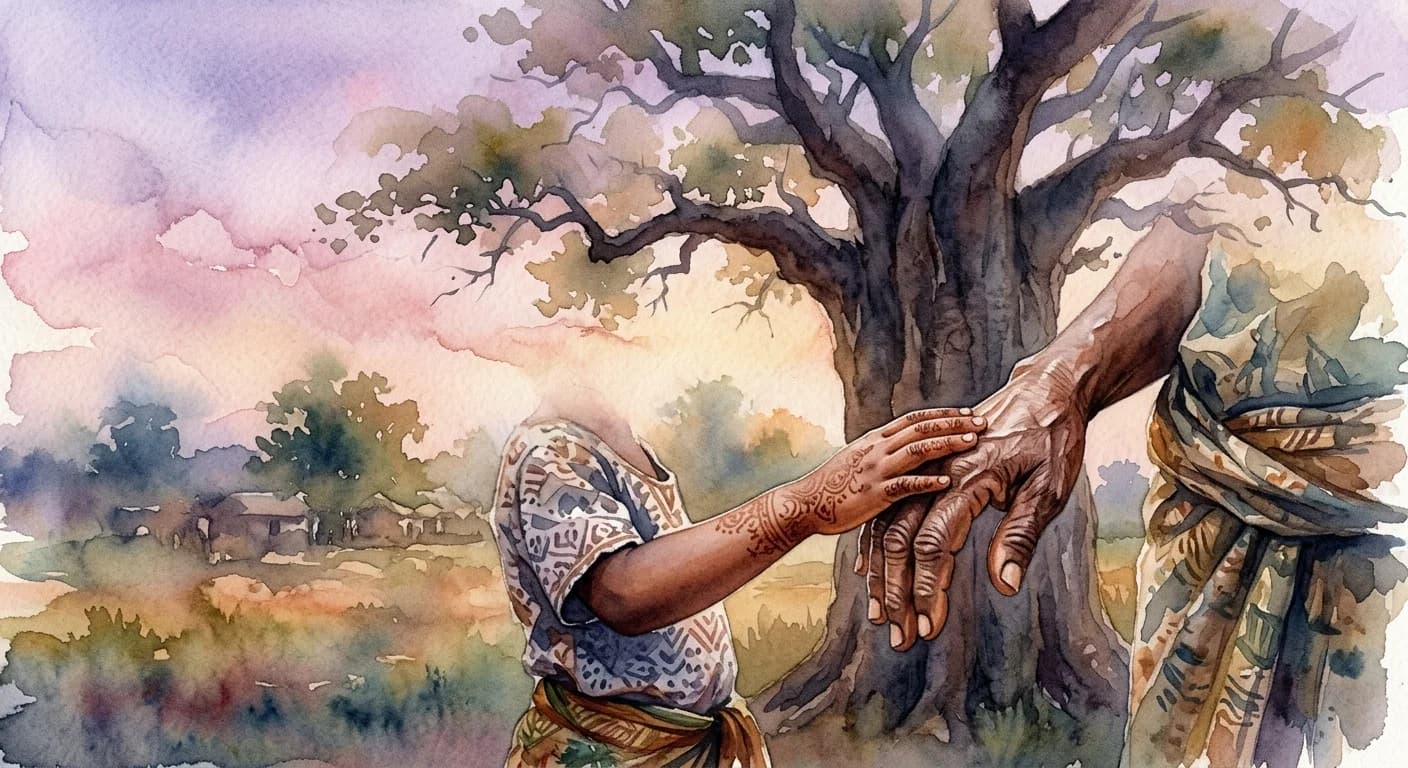
Nwaada
/NWAH-ah-dah/
Meaning
Nwaada is a profound declaration of filial love and unwavering respect, primarily from a daughter to her mother. It transcends a mere term of endearment, embodying a deep-seated recognition of the mother's immense sacrifices, tireless nurturing, and the sacred bond that irrevocably ties them together. This word carries the gravitas of tradition, acknowledging the maternal lineage and the invaluable, often unsung, contributions a mother makes to the very fabric of her family and the wider Igbo community. It is a unique, heartfelt expression of devotion that resonates with the core values of kinship and gratitude central to Igbo culture.
Literal Translation
Child/offspring of the mother (nuance of daughter is often implied)
The Story Behind the Word
Nwaada exists within Igbo culture as a linguistic anchor for the profound reverence accorded to motherhood and lineage. Historically, a mother's role was paramount in raising children, imparting cultural values, and maintaining family cohesion. The word reflects a matriarchal undercurrent within a patriarchal structure, acknowledging the mother as the primary nurturer and the source of life and identity. It reinforces the intergenerational contract: children are expected to honor their parents, especially mothers, for their sacrifices, ensuring the continuity of family values and the well-being of the community. This word reveals a world where familial bonds are sacred, and the mother-child relationship is foundational to individual and societal identity.
Experience It
A Daughter's Gratitude
After receiving her university admission letter, Ngozi rushed to her mother, eyes brimming with tears. 'Nwaada,' she whispered, embracing her tightly, 'thank you for everything. This is because of your prayers and hard work.' It was a moment of profound gratitude and shared triumph.
Comfort in Hardship
When Mama Ada fell ill, her eldest daughter, Chika, stayed by her side, tending to her every need. As she gently wiped her mother's brow, Chika murmured, 'Rest, Nwaada. I am here. You took care of me; now let me take care of you.' It was a promise of enduring devotion.
What Gets Lost in Translation
English speakers might mistake 'Nwaada' for a simple 'daughter' or 'my child,' missing its profound emotional and cultural weight. It's not a generic address but a specific, honorific term of endearment and respect, laden with recognition of sacrifice and lineage. Translating it as just 'my dear' or 'honey' completely strips away the inherent acknowledgment of the mother's role and the child's deep reverence.
Across Cultures
While no single word perfectly captures 'Nwaada,' similar sentiments of profound maternal reverence exist. Japanese 'Okaasan' (mother) used with honorifics can convey deep respect, and the Korean 'Eomma' often carries an affectionate yet respectful tone. In some Latin American cultures, a daughter's deep devotion to her 'madre' is expressed through actions and intonation rather than a single word, emphasizing sacrifice and nurturing.
The Deeper Meaning
This word encapsulates an Igbo philosophical understanding of identity and reciprocity. It suggests that a child's very being is intrinsically tied to the mother's sacrifice and nurturing. The use of 'Nwaada' is not just an expression of love, but an active affirmation of this foundational truth, emphasizing a worldview where gratitude, respect for elders (especially mothers), and the continuity of familial bonds are paramount to a well-ordered life and society.
Did You Know?
While 'Nwaada' literally means 'child of the mother,' it's rarely used by sons. The 'ada' (daughter) nuance is so strong that it's almost exclusively a daughter's affectionate and respectful address to her mother.
How It's Used
Used by a child, typically a daughter, to refer to or address their mother, expressing love, respect, and gratitude.