U.
HomeRegionsLanguagesEmotionsCollections
Find Your Word

“The limits of my language mean the limits of my world.”

— Ludwig Wittgenstein, Philosopher

Untranslatable

A curated collection of the world's most beautiful expressions—words that remind us language is humanity's greatest invention.

  • Home
  • Collections
  • Regions
  • Countries
  • Emotions
  • Tags
  • Contexts
  • Finder
  • Europe
  • Asia
  • Americas
  • Africa
  • Middle East
  • About
  • Contact
  • Privacy Policy
  • Terms of Service

2026 © Untranslatable. All rights reserved.

    /
    /
    1. Home
    2. /
    3. Europe
    4. /
    5. Liebeskummer
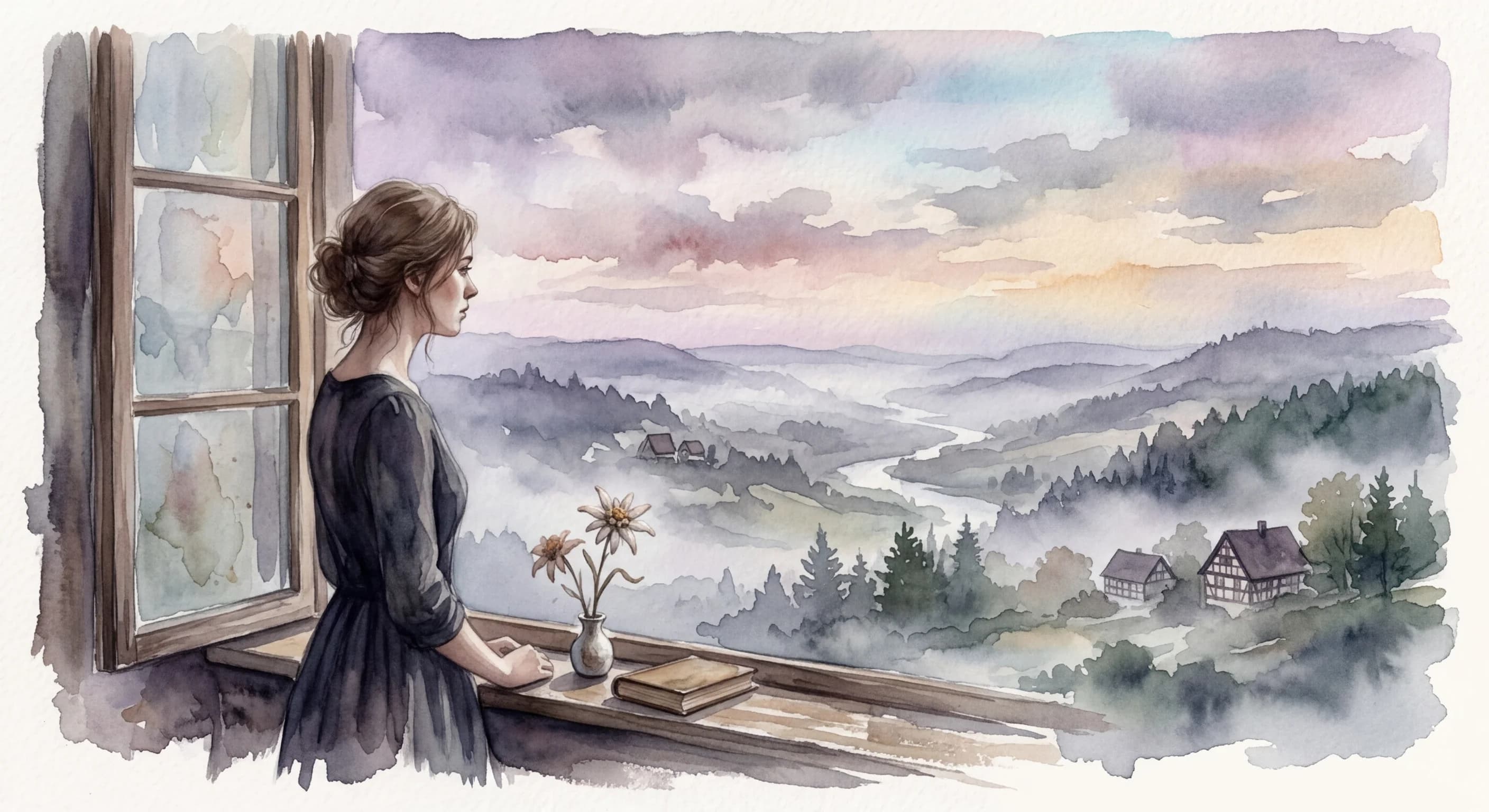
    Artistic representation of Liebeskummer
    German•
    🇦🇹Austria🇩🇪Germany🇨🇭Switzerland

    Liebeskummer

    /LEE-buhs-koo-mer/

    Meaning

    Liebeskummer is the profound and often incapacitating suffering that arises from romantic disappointment – be it unrequited affection, a painful breakup, or the yearning for a love lost. It's more than mere sadness; it's an all-consuming emotional and sometimes physical ache, a deep melancholy that permeates one's entire being. This term captures the specific, intense agony of a heart wounded by love, a state where the world feels muted and hope seems distant, highlighting a uniquely German recognition of love's powerful, destructive potential.

    Literal Translation

    love-sorrow

    The Story Behind the Word

    The existence of a specific, compound word like Liebeskummer in German culture reflects a deep-seated appreciation for and a willingness to articulate complex emotional states with precision. German Romanticism, with its emphasis on intense emotional experience, longing, and the sublime, likely played a significant role in solidifying this concept. The German language itself, through its ability to create highly specific compound nouns (like Weltschmerz or Sehnsucht), allows for the granular naming of inner experiences. This reveals a culture that values introspection and acknowledges the profound impact of emotional life, particularly in matters of the heart. It suggests that such suffering is not to be dismissed but recognized as a legitimate, even defining, human experience, worthy of its own distinct linguistic label.

    Experience It

    First Heartbreak Blues

    After Luisa's first serious boyfriend broke up with her, she spent weeks in a fog. Every song on the radio seemed to describe her pain, and her appetite vanished. Her friends recognized it immediately, saying, 'She's deep in Liebeskummer.'

    Unrequited Artist's Ache

    Julian, a passionate painter, secretly adored his muse, who saw him only as a friend. His unexpressed love and the constant proximity to her, knowing she'd never reciprocate, fueled a profound Liebeskummer that found its way onto his melancholic canvases.

    The Deeper Meaning

    Liebeskummer underscores a philosophical acceptance within German culture that love, while beautiful, inherently carries the risk of profound suffering. It suggests that emotional pain is not merely a weakness to be overcome, but a significant, often formative, human experience. This recognition highlights a nuanced view of existence where joy and sorrow are inextricably linked, and the depths of one often define the intensity of the other, particularly when it comes to matters of the heart.

    Did You Know?

    In Germany, there are even 'Liebeskummer-Hotlines' and specialized coaches dedicated to helping people navigate the intense emotional turmoil of this specific kind of heartbreak.

    How It's Used

    Used to describe the emotional pain and suffering experienced after a romantic disappointment, such as a breakup or unrequited love.

    Emotions
    bittersweet,longing,love,melancholy
    Contexts
    farewell,romance
    🇦🇹Austria🇩🇪Germany🇨🇭Switzerland

    by Dr. Kenji Tanaka·Written Mar 10, 2026·Updated Mar 27, 2026

    Related Words

    Explore more
    HyggeDanish

    Hygge is more than mere coziness; it's a holistic embrace of comfort, warmth, and belonging that nourishes the soul. It describes the intentional creation of an intimate atmosphere where simple pleasures, genuine connection, and mindful presence converge, fostering a profound sense of contentment and well-being. It's about finding joy and peace in the small, everyday moments, often shared with loved ones.

    SaudadePortuguese

    Saudade encapsulates a profound, melancholic longing for something or someone cherished that is absent, often with the bittersweet knowledge that it may never return. It's a deep emotional state tinged with nostalgia, evoking a sense of loss for past experiences, places, or people, yet also holding a tender appreciation for the beauty of what once was. This yearning is not merely sadness, but a complex tapestry of desire, memory, and a poignant acceptance of absence, holding the beloved in a warm, persistent embrace within the heart.

    GezelligDutch

    Gezellig encapsulates a profound sense of warmth, belonging, and convivial comfort, extending beyond mere coziness to embrace the social and emotional atmosphere. It's the feeling of being truly at ease, surrounded by good company, laughter, and a shared sense of contentment. This untranslatable term describes not just a physical space, but a holistic experience where time seems to slow down, fostering genuine connection and a deep sense of well-being.

    Dolce far nienteItalian

    Dolce far niente captures the profound joy and effortless pleasure derived from simply existing without obligation or purpose. It's the art of savoring moments of pure, unadulterated idleness – lying in the sun, watching the clouds drift, or enjoying a leisurely coffee – not as a break from work, but as a valuable state in itself. This 'sweetness of doing nothing' is a conscious embrace of stillness and contentment, allowing the soul to breathe and the senses to fully engage with the present.

    Featured in 3 collections

    💔Words for the Brokenhearted🎭Untranslatable Emotions💖Romantic Currents