U.
HomeRegionsLanguagesEmotionsCollections
Find Your Word

“The limits of my language mean the limits of my world.”

— Ludwig Wittgenstein, Philosopher

Untranslatable

A curated collection of the world's most beautiful expressions—words that remind us language is humanity's greatest invention.

  • Home
  • Collections
  • Regions
  • Countries
  • Emotions
  • Tags
  • Contexts
  • Finder
  • Europe
  • Asia
  • Americas
  • Africa
  • Middle East
  • About
  • Contact
  • Privacy Policy
  • Terms of Service

2026 © Untranslatable. All rights reserved.

    /
    /
    1. Home
    2. /
    3. Middle East
    4. /
    5. Rizq
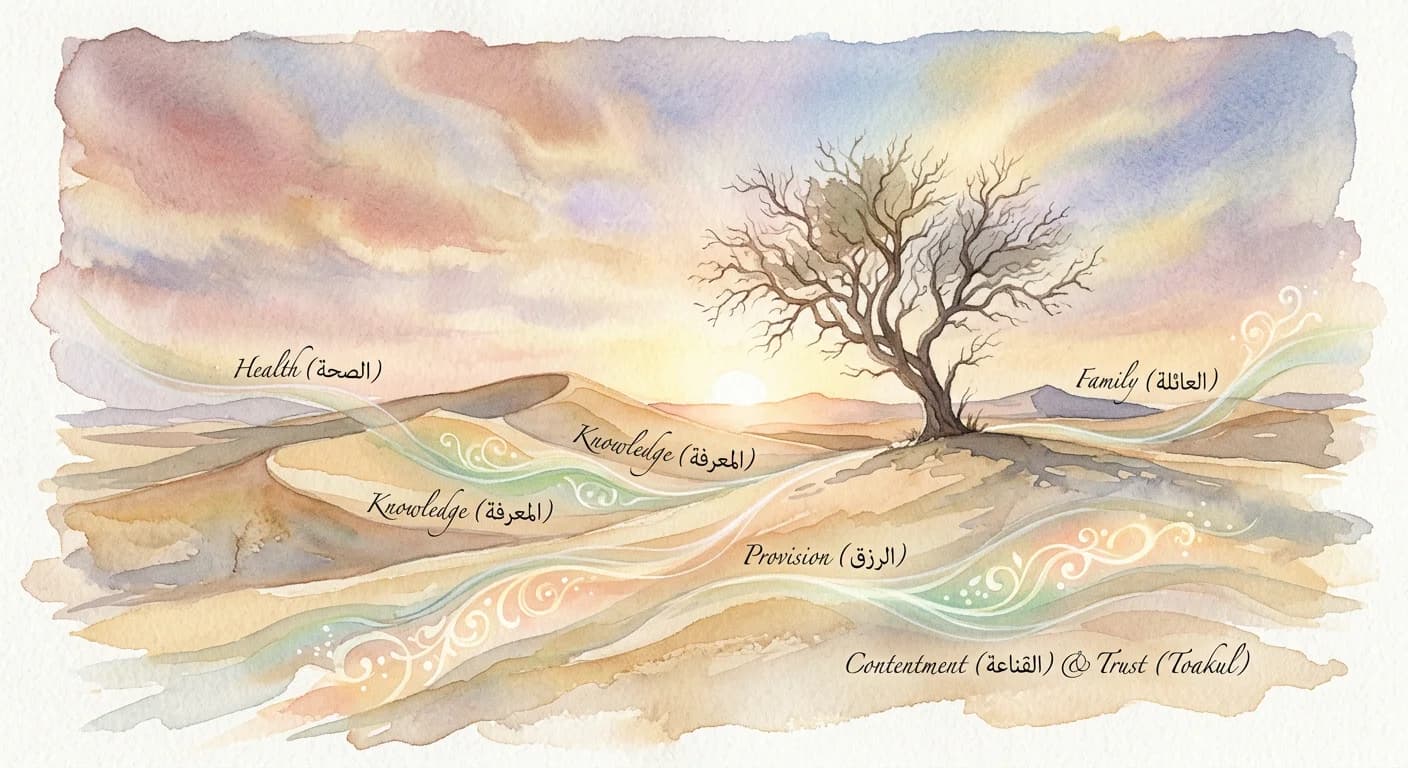
    Artistic representation of Rizq
    Arabic•
    🇩🇿Algeria🇧🇭Bahrain🇪🇬Egypt🇮🇶Iraq🇯🇴Jordan🇰🇼Kuwait🇱🇧Lebanon🇲🇦Morocco🇴🇲Oman🇵🇸Palestine🇶🇦Qatar🇸🇦Saudi Arabia🇸🇩Sudan🇸🇾Syria🇹🇳Tunisia🇦🇪United Arab Emirates🇾🇪Yemen

    Rizq

    /RIZK/

    Meaning

    Rizq transcends mere material provision; it is the comprehensive, divinely ordained sustenance that God bestows upon all His creation. This encompasses not only physical necessities like food and wealth but also intangible blessings such as health, knowledge, family, peace of mind, and happiness. It embodies a deep-seated belief that everything one receives, experiences, or possesses is a gift, a test, or a blessing from the Almighty, fostering profound contentment and an unwavering trust in God's intricate plan for each individual.

    Literal Translation

    Provision, sustenance, livelihood, fortune

    The Story Behind the Word

    The concept of Rizq is deeply embedded in Islamic theology and Arab culture, stemming directly from the Quran and Sunnah (Prophetic tradition). It reflects a worldview where God is the ultimate provider and sustainer of all life, a fundamental tenet that shapes daily life, ethics, and emotional responses. This belief cultivates patience (sabr) during hardship, gratitude (shukr) during prosperity, and a sense of humility, as one's success is attributed to divine grace rather than solely personal effort. It encourages generosity, knowing that one's wealth is merely a trust from God, and promotes a resilient outlook where even setbacks are seen as part of a larger, divinely orchestrated plan for growth and ultimate good. The pervasive nature of Rizq provides a spiritual anchor in a world often focused on individual achievement and material acquisition.

    Experience It

    Gratitude for Blessings

    After a bountiful harvest, the farmer looked at his fields with a smile. 'Alhamdulillah for this rizq,' he murmured, knowing that the yield was a blessing from God, not just a result of his hard work, and felt compelled to share with those less fortunate.

    Solace in Hardship

    Facing a sudden job loss, Aisha felt despair creeping in. Her mother gently reminded her, 'Don't worry, my dear, your rizq is written. God will open another door for you.' This brought a sense of calm, allowing Aisha to trust in a higher plan.

    The Deeper Meaning

    Rizq underpins a deterministic yet empowering philosophy. It suggests that while effort is commanded, the ultimate outcome and magnitude of one's provisions are divinely pre-ordained. This fosters a unique balance between striving and surrender: individuals are encouraged to work diligently, but also to accept their circumstances with gratitude and patience, understanding that true richness lies in contentment and faith, rather than material accumulation alone. It emphasizes a spiritual interconnectedness where all life is sustained by a singular, benevolent source.

    Did You Know?

    The Arabic word 'Raziq' (رزاق), meaning 'The Provider,' is one of the 99 Names of Allah in Islam, highlighting the divine origin and importance of Rizq in the faith.

    How It's Used

    The term 'Rizq' is frequently used in everyday conversations, religious sermons, and philosophical discussions throughout the Arabic-speaking world, often invoked to express gratitude for blessings or to find solace during difficult times.

    Emotions
    contentment,gratitude,hope,peace
    Contexts
    celebration,dining,family,work
    🇩🇿Algeria🇧🇭Bahrain🇪🇬Egypt🇮🇶Iraq🇯🇴Jordan🇰🇼Kuwait🇱🇧Lebanon🇲🇦Morocco🇴🇲Oman🇵🇸Palestine🇶🇦Qatar🇸🇦Saudi Arabia🇸🇩Sudan🇸🇾Syria🇹🇳Tunisia🇦🇪United Arab Emirates🇾🇪Yemen

    by Sofia Rossi·Written Mar 10, 2026·Updated Apr 3, 2026

    Related Words

    Explore more
    HyggeDanish

    Hygge is more than mere coziness; it's a holistic embrace of comfort, warmth, and belonging that nourishes the soul. It describes the intentional creation of an intimate atmosphere where simple pleasures, genuine connection, and mindful presence converge, fostering a profound sense of contentment and well-being. It's about finding joy and peace in the small, everyday moments, often shared with loved ones.

    Dolce far nienteItalian

    Dolce far niente captures the profound joy and effortless pleasure derived from simply existing without obligation or purpose. It's the art of savoring moments of pure, unadulterated idleness – lying in the sun, watching the clouds drift, or enjoying a leisurely coffee – not as a break from work, but as a valuable state in itself. This 'sweetness of doing nothing' is a conscious embrace of stillness and contentment, allowing the soul to breathe and the senses to fully engage with the present.

    Pura vidaSpanish

    More than just 'pure life,' "Pura vida" encapsulates a profound philosophy of embracing the present moment with unwavering optimism and gratitude. It's a daily commitment to finding joy in simple pleasures, accepting life's challenges with a positive spirit, and prioritizing well-being over material possessions. This ubiquitous phrase reflects a national identity built on resilience, community, and an deep appreciation for nature's bounty.

    TarofPersian

    Tarof is a deeply ingrained Iranian social custom, a delicate dance of politeness and deference where individuals engage in an elaborate exchange of offers and refusals. It's a performative humility, a way of showing respect and avoiding imposing, often involving multiple cycles of insistence and polite decline before a genuine acceptance or refusal is reached. This intricate ritual governs interactions from sharing food to paying bills, creating a nuanced social ballet.