U.
HomeRegionsLanguagesEmotionsCollections
Find Your Word

“The limits of my language mean the limits of my world.”

— Ludwig Wittgenstein, Philosopher

Untranslatable

A curated collection of the world's most beautiful expressions—words that remind us language is humanity's greatest invention.

  • Home
  • Collections
  • Regions
  • Countries
  • Emotions
  • Tags
  • Contexts
  • Finder
  • Europe
  • Asia
  • Americas
  • Africa
  • Middle East
  • About
  • Contact
  • Privacy Policy
  • Terms of Service

2026 © Untranslatable. All rights reserved.

    /
    /
    1. Home
    2. /
    3. Middle East
    4. /
    5. Wafa'
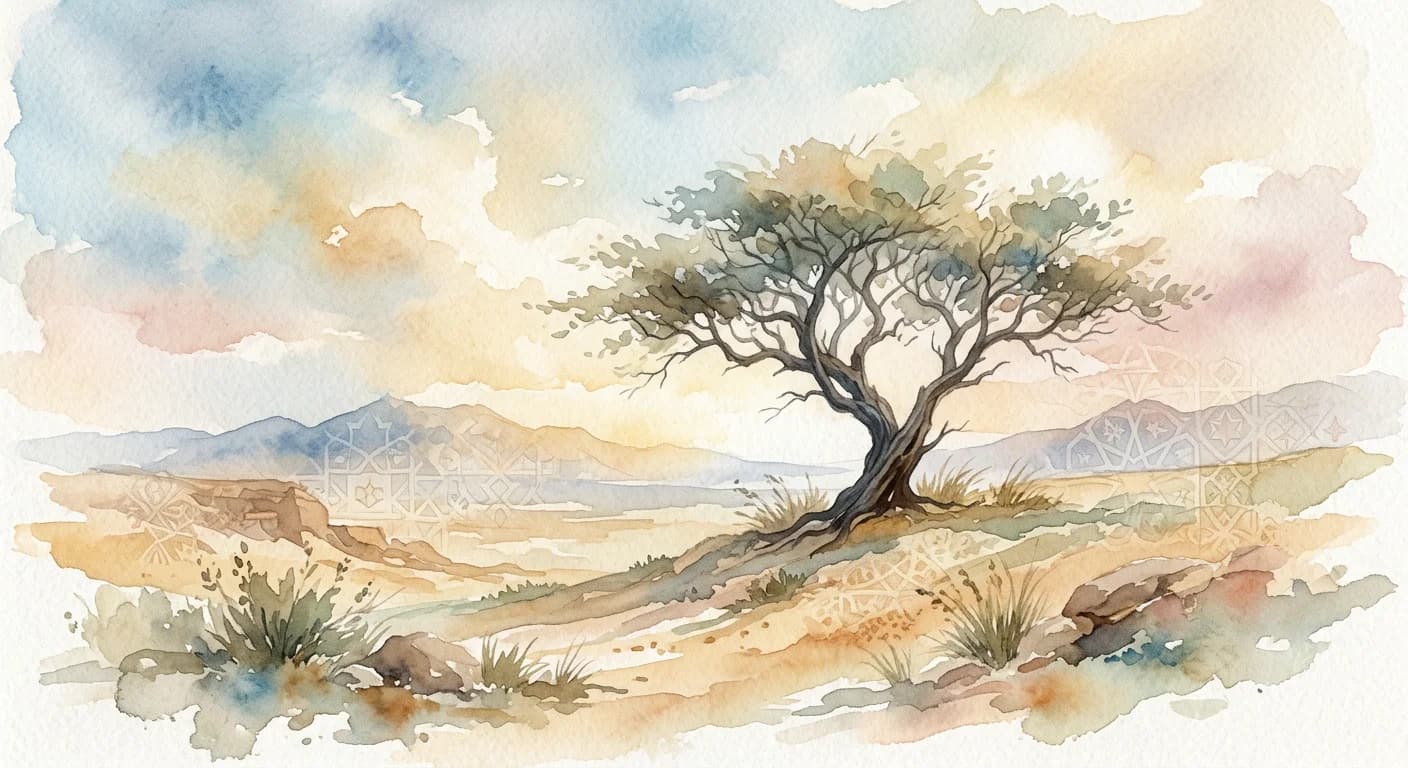
    Artistic representation of Wafa'
    Arabic•
    🇩🇿Algeria🇧🇭Bahrain🇰🇲Comoros🇩🇯Djibouti🇪🇬Egypt🇮🇶Iraq🇯🇴Jordan🇰🇼Kuwait🇱🇧Lebanon🇱🇾Libya🇲🇷Mauritania🇲🇦Morocco🇴🇲Oman🇵🇸Palestine🇶🇦Qatar🇸🇦Saudi Arabia🇸🇴Somalia🇸🇩Sudan🇸🇾Syria🇹🇳Tunisia🇦🇪United Arab Emirates🇾🇪Yemen

    Wafa'

    /WAH-fah/

    Meaning

    Wafa' embodies an profound dedication to loyalty, faithfulness, and the unwavering fulfillment of commitments, transcending mere promises to signify deep-seated integrity. It represents an unconditional devotion in all relationships – romantic, familial, or platonic – and a steadfast adherence to one's word and principles, even amidst the greatest challenges. This virtue is a cornerstone of Arab culture, symbolizing the absolute trust one places in another, knowing they will always stand by them, embodying a complete and unbreakable bond.

    Literal Translation

    Fulfillment, completion, loyalty, faithfulness

    The Story Behind the Word

    In Arab culture, Wafa' is more than a personal trait; it's a foundational pillar of social cohesion and honor, deeply rooted in Islamic teachings and pre-Islamic tribal codes. The emphasis on keeping one's word and maintaining loyalty was crucial for survival and stability in desert societies, where trust among individuals and tribes was paramount. It reflects a worldview where personal integrity is intrinsically linked to community well-being and where a person's honor (sharaf) is directly tied to their ability to demonstrate Wafa'. This concept reveals a society that values long-term, unconditional relationships and views betrayal as a grave moral failing, impacting not just the individual but their family and lineage. It's a commitment to a shared history and future, fostering resilience and mutual support.

    Experience It

    A Friend's Unwavering Support

    Despite facing severe financial hardship, Ahmed refused to abandon his business partner, Omar, during a crisis, even when others advised him to cut ties. His steadfastness was a true display of Wafa', strengthening their bond for life.

    Keeping a Sacred Promise

    Years after her parents passed, Layla continued to visit their elderly neighbor, Mrs. Fatima, every week, fulfilling a promise she made to her mother. This consistent, heartfelt dedication exemplified Layla's Wafa' to her family's legacy and community ties.

    The Deeper Meaning

    Wafa' illuminates a philosophical perspective where human relationships are not transactional but are built on profound, enduring trust and mutual responsibility. It suggests that true fulfillment comes from honoring one's word and maintaining integrity, seeing these as essential for both individual dignity and societal harmony. This concept underscores the belief that character is forged through steadfastness and that genuine connection transcends fleeting circumstances, emphasizing an ethical framework centered on unwavering commitment.

    Did You Know?

    The Arabic name 'Wafa' is also a popular female given name, directly reflecting the cherished qualities of loyalty and faithfulness that parents hope their daughters will embody.

    How It's Used

    Used to describe someone who is trustworthy, loyal, and always keeps their promises, or to affirm the faithfulness in a relationship or commitment.

    Emotions
    belonging,gratitude,love
    Contexts
    family,friendship,romance,work
    🇩🇿Algeria🇧🇭Bahrain🇰🇲Comoros🇩🇯Djibouti🇪🇬Egypt🇮🇶Iraq🇯🇴Jordan🇰🇼Kuwait🇱🇧Lebanon🇱🇾Libya🇲🇷Mauritania🇲🇦Morocco🇴🇲Oman🇵🇸Palestine🇶🇦Qatar🇸🇦Saudi Arabia🇸🇴Somalia🇸🇩Sudan🇸🇾Syria🇹🇳Tunisia🇦🇪United Arab Emirates🇾🇪Yemen

    by Sofia Rossi·Written Mar 10, 2026·Updated Apr 3, 2026

    Related Words

    Explore more
    SobremesaSpanish

    Sobremesa is the cherished, often extended period immediately following a meal, particularly lunch or dinner, where diners remain seated at the table to enjoy conversation, coffee, and digest not just the food, but the company itself. It’s a dedicated time for unhurried social bonding, storytelling, and shared laughter, transforming a simple meal into a profound communal experience. Far from just clearing the dishes, sobremesa is an integral part of Spanish social life, often lasting for hours.

    Pura vidaSpanish

    More than just 'pure life,' "Pura vida" encapsulates a profound philosophy of embracing the present moment with unwavering optimism and gratitude. It's a daily commitment to finding joy in simple pleasures, accepting life's challenges with a positive spirit, and prioritizing well-being over material possessions. This ubiquitous phrase reflects a national identity built on resilience, community, and an deep appreciation for nature's bounty.

    UbuntuZulu/Xhosa

    Ubuntu is a profound African philosophy that translates to 'I am because we are,' signifying that an individual's humanity is inextricably linked to the humanity of others. It embodies the belief that our existence and well-being are deeply intertwined with the community. This concept emphasizes compassion, reciprocity, dignity, and the understanding that true fulfillment is found not in isolation, but through collective flourishing and mutual support. It's a call to recognize and affirm the humanity in everyone, fostering a sense of interconnectedness.

    TarofPersian

    Tarof is a deeply ingrained Iranian social custom, a delicate dance of politeness and deference where individuals engage in an elaborate exchange of offers and refusals. It's a performative humility, a way of showing respect and avoiding imposing, often involving multiple cycles of insistence and polite decline before a genuine acceptance or refusal is reached. This intricate ritual governs interactions from sharing food to paying bills, creating a nuanced social ballet.