U.
HomeRegionsLanguagesEmotionsCollections
Find Your Word

“The limits of my language mean the limits of my world.”

— Ludwig Wittgenstein, Philosopher

Untranslatable

A curated collection of the world's most beautiful expressions—words that remind us language is humanity's greatest invention.

  • Home
  • Collections
  • Regions
  • Countries
  • Emotions
  • Tags
  • Contexts
  • Finder
  • Europe
  • Asia
  • Americas
  • Africa
  • Middle East
  • About
  • Contact
  • Privacy Policy
  • Terms of Service

2026 © Untranslatable. All rights reserved.

    /
    /
    1. Home
    2. /
    3. Middle East
    4. /
    5. Fitnah
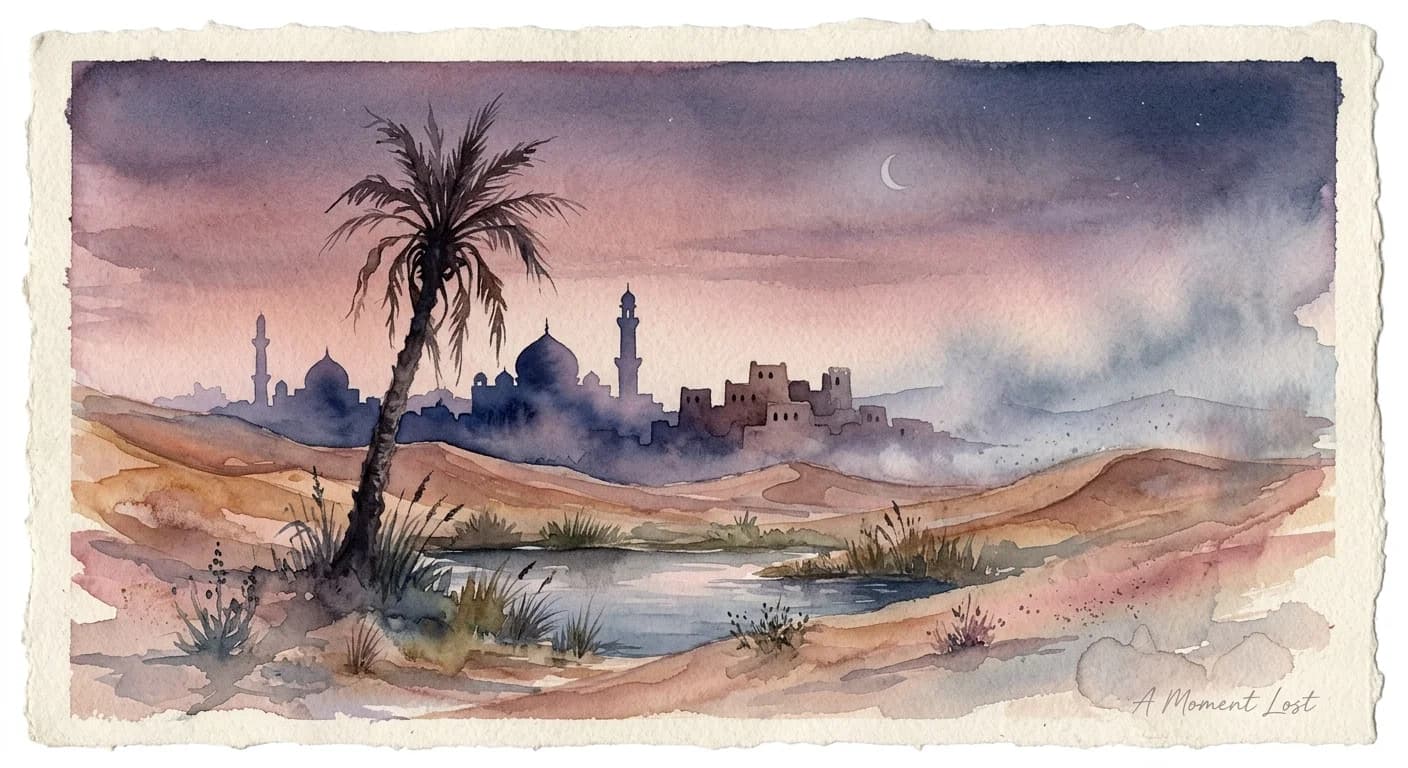
    Artistic representation of Fitnah
    Arabic•
    🇪🇬Egypt🇲🇦Morocco🇸🇦Saudi Arabia🇦🇪United Arab Emirates

    Fitnah

    /FIT-nah/

    Meaning

    Fitnah is a profound Arabic concept describing a crucible of trials, tribulations, and discord that tests the very fabric of society and the individual soul. It encapsulates situations where people are tempted away from righteousness, leading to internal strife, societal chaos, or a deviation from the 'straight path'. This can manifest as widespread civil unrest, seductive temptations that challenge moral fortitude, or an intense personal struggle that threatens one's faith and resolve, often implying a divine test designed to reveal inner character.

    Literal Translation

    Trial, temptation, discord, sedition

    The Story Behind the Word

    The concept of "fitnah" is deeply ingrained in Islamic theology and Arab culture, stemming directly from the Quran and Prophetic traditions (Hadith). Its existence reveals a worldview that acknowledges the inherent fragility of human societies and the constant struggle between good and evil, truth and falsehood. Historically, periods of political upheaval, sectarian conflict, or moral decay within the Muslim world have often been described as "fitnah," signifying a time of severe testing from God. It highlights a cultural understanding that life is a series of trials, and steadfastness in the face of temptation and disunity is paramount for both individual salvation and communal well-being. The word serves as a constant reminder of the vigilance required to maintain moral order and social harmony, reflecting a profound awareness of human susceptibility to corruption and the imperative to resist divisive forces.

    Experience It

    Political Upheaval

    When news of widespread corruption within the government surfaced, protests erupted across the nation. Elders warned that this period of unrest and division was a dangerous 'fitnah', threatening to destabilize the entire society and turn citizens against one another.

    Personal Moral Test

    Ahmed, a devout young man, found himself constantly surrounded by peers engaging in illicit activities. He felt the intense pressure to conform, recognizing this as a 'fitnah' – a severe test of his faith and moral resolve, forcing him to choose between popularity and his principles.

    The Deeper Meaning

    Fitnah reveals a worldview that views adversity not merely as misfortune, but often as a purposeful test designed to expose inner character, strengthen faith, or purify a community. It underscores the belief that human existence is a continuous spiritual and moral struggle, where individuals and societies are constantly evaluated. This perspective emphasizes resilience, introspection, and the critical importance of maintaining moral integrity and unity in the face of internal and external pressures.

    Did You Know?

    The root of 'fitnah' (f-t-n) originally referred to the process of purifying gold by heating it to separate impurities, symbolizing how trials purify individuals and societies.

    How It's Used

    Used to describe periods of social unrest, political upheaval, or intense personal temptation that can lead to moral or societal breakdown.

    Emotions
    bittersweet,fear,melancholy
    Contexts
    politics,social interaction,work
    🇪🇬Egypt🇲🇦Morocco🇸🇦Saudi Arabia🇦🇪United Arab Emirates

    by Sofia Rossi·Written Mar 10, 2026·Updated Apr 3, 2026

    Related Words

    Explore more
    SaudadePortuguese

    Saudade encapsulates a profound, melancholic longing for something or someone cherished that is absent, often with the bittersweet knowledge that it may never return. It's a deep emotional state tinged with nostalgia, evoking a sense of loss for past experiences, places, or people, yet also holding a tender appreciation for the beauty of what once was. This yearning is not merely sadness, but a complex tapestry of desire, memory, and a poignant acceptance of absence, holding the beloved in a warm, persistent embrace within the heart.

    TarofPersian

    Tarof is a deeply ingrained Iranian social custom, a delicate dance of politeness and deference where individuals engage in an elaborate exchange of offers and refusals. It's a performative humility, a way of showing respect and avoiding imposing, often involving multiple cycles of insistence and polite decline before a genuine acceptance or refusal is reached. This intricate ritual governs interactions from sharing food to paying bills, creating a nuanced social ballet.

    TarabArabic

    Tarab is far more than mere enjoyment; it's a profound, almost spiritual communion with music, where the performer and audience become one in a shared emotional journey. It signifies a state of ecstatic enchantment, a deep emotional surrender that transcends the self, leading to a transformative experience. This intense connection often manifests as spontaneous vocalizations, tears, or even physical swaying, as the music penetrates the soul and evokes a powerful release of feeling. It's a moment of pure, unadulterated musical rapture.

    KeyifTurkish

    Keyif is a profound state of unhurried, mindful enjoyment, a deliberate savoring of the present moment without urgency or expectation. It's not merely relaxation, but an active engagement with the simple pleasures of life, finding contentment in the sensory details of a warm cup of tea, the gentle breeze, or a quiet conversation. It embodies a serene acceptance of 'what is,' fostering an inner peace that makes even mundane activities feel like a small celebration.