U.
HomeRegionsLanguagesEmotionsCollections
Find Your Word

“The limits of my language mean the limits of my world.”

— Ludwig Wittgenstein, Philosopher

Untranslatable

A curated collection of the world's most beautiful expressions—words that remind us language is humanity's greatest invention.

  • Home
  • Collections
  • Regions
  • Countries
  • Emotions
  • Tags
  • Contexts
  • Finder
  • Europe
  • Asia
  • Americas
  • Africa
  • Middle East
  • About
  • Contact
  • Privacy Policy
  • Terms of Service

2026 © Untranslatable. All rights reserved.

    /
    /
    1. Home
    2. /
    3. Middle East
    4. /
    5. Dard-e-del
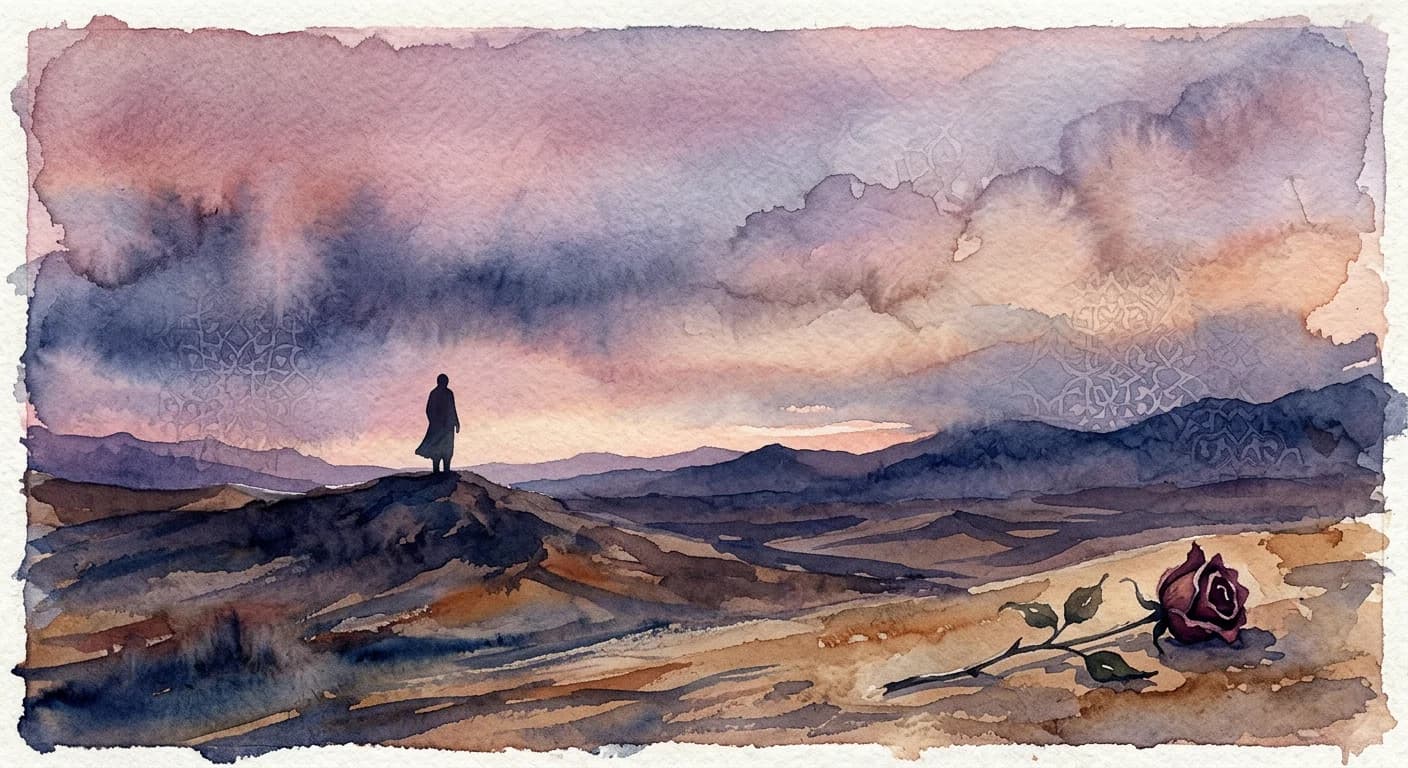
    Artistic representation of Dard-e-del
    Persian•
    🇦🇫Afghanistan🇮🇷Iran🇹🇯Tajikistan

    Dard-e-del

    /DAHR-deh-DEHL/

    Meaning

    Dard-e-del describes a profound and encompassing sorrow that resonates deep within the soul, a spiritual ache far beyond mere sadness. It's a visceral, internal wound often born from unrequited love, betrayal, or the gnawing absence of something profoundly cherished. This suffering is not fleeting but a persistent, often unspoken burden, coloring one's perception and existence with a melancholic hue.

    Literal Translation

    Pain of the heart

    The Story Behind the Word

    Dard-e-del is deeply embedded in Persian literary and mystical traditions, particularly Sufi poetry, where the pain of separation from the Beloved (God) or the agony of unfulfilled earthly love is a central theme. This word reflects a culture that values emotional depth and introspection, viewing suffering not merely as a negative experience but as a path to spiritual growth and understanding. It signifies a worldview where the heart is the seat of profound emotion and spiritual insight, and its 'pain' can be a catalyst for poetic expression and a deeper connection to the divine or human experience. The prevalence of this term highlights a cultural acceptance and even romanticization of profound melancholy as a source of artistic inspiration and spiritual purification.

    Experience It

    Unrequited Love's Burden

    After years of silently loving someone who never knew, Layla felt a constant, dull ache in her chest. It was a dard-e-del, a heavy sorrow that settled deep within her, a quiet lament for a love that could never be.

    Loss of a Homeland

    Far from his native Iran, the old man often sat by the window, gazing at the unfamiliar cityscape. A deep dard-e-del, a yearning for the mountains and the familiar scent of his homeland, weighed heavily on his spirit.

    The Deeper Meaning

    This word reveals a philosophy where emotional suffering is not to be avoided but embraced as an intrinsic part of the human condition and a potential avenue for spiritual awakening. It suggests that profound pain can lead to deeper self-awareness, compassion, and a more nuanced understanding of love and loss, elevating personal sorrow into a universal, almost sacred experience.

    Did You Know?

    Dard-e-del is so integral to Persian culture that it frequently appears in classical poetry, transforming personal anguish into a universal human experience and a subject of profound artistic beauty.

    How It's Used

    Used in poetry, literature, and everyday conversation to express profound emotional suffering, particularly when it feels deeply ingrained in one's being.

    Emotions
    bittersweet,longing,melancholy
    Contexts
    farewell,romance,solitude
    🇦🇫Afghanistan🇮🇷Iran🇹🇯Tajikistan

    by Sofia Rossi·Written Mar 10, 2026·Updated Apr 3, 2026

    Related Words

    Explore more
    SaudadePortuguese

    Saudade encapsulates a profound, melancholic longing for something or someone cherished that is absent, often with the bittersweet knowledge that it may never return. It's a deep emotional state tinged with nostalgia, evoking a sense of loss for past experiences, places, or people, yet also holding a tender appreciation for the beauty of what once was. This yearning is not merely sadness, but a complex tapestry of desire, memory, and a poignant acceptance of absence, holding the beloved in a warm, persistent embrace within the heart.

    MamihlapinatapaiYaghan

    Mamihlapinatapai encapsulates that profound, unspoken moment when two individuals lock eyes, each silently acknowledging a mutual desire or intention, yet both hesitate to be the first to act upon it. It's a delicate dance of anticipation, a shared gaze brimming with common understanding and a quiet longing for the other to break the ice. This intricate look carries the weight of a shared, uninitiated potential, a silent conversation where both parties are perfectly aware of what could happen, but neither makes the first move.

    TarofPersian

    Tarof is a deeply ingrained Iranian social custom, a delicate dance of politeness and deference where individuals engage in an elaborate exchange of offers and refusals. It's a performative humility, a way of showing respect and avoiding imposing, often involving multiple cycles of insistence and polite decline before a genuine acceptance or refusal is reached. This intricate ritual governs interactions from sharing food to paying bills, creating a nuanced social ballet.

    TarabArabic

    Tarab is far more than mere enjoyment; it's a profound, almost spiritual communion with music, where the performer and audience become one in a shared emotional journey. It signifies a state of ecstatic enchantment, a deep emotional surrender that transcends the self, leading to a transformative experience. This intense connection often manifests as spontaneous vocalizations, tears, or even physical swaying, as the music penetrates the soul and evokes a powerful release of feeling. It's a moment of pure, unadulterated musical rapture.