U.
HomeRegionsLanguagesEmotionsCollections
Find Your Word

“The limits of my language mean the limits of my world.”

— Ludwig Wittgenstein, Philosopher

Untranslatable

A curated collection of the world's most beautiful expressions—words that remind us language is humanity's greatest invention.

  • Home
  • Collections
  • Regions
  • Countries
  • Emotions
  • Tags
  • Contexts
  • Finder
  • Europe
  • Asia
  • Americas
  • Africa
  • Middle East
  • About
  • Contact
  • Privacy Policy
  • Terms of Service

2026 © Untranslatable. All rights reserved.

    /
    /
    1. Home
    2. /
    3. Middle East
    4. /
    5. Khasteh nabashid
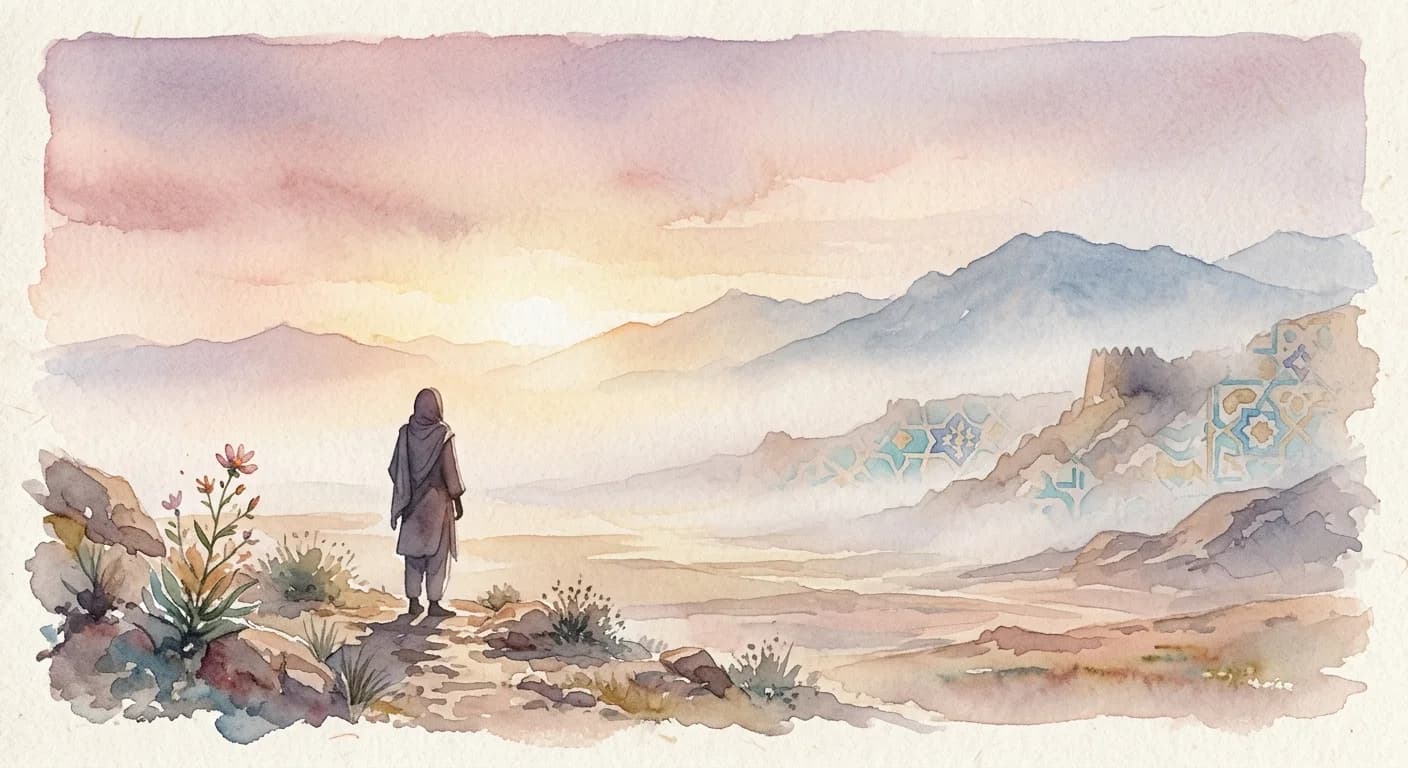
    Artistic representation of Khasteh nabashid
    Persian•
    🇮🇷Iran

    Khasteh nabashid

    /KHAH-steh nah-BAH-sheed/

    Meaning

    "Khasteh nabashid" is a deeply empathetic Persian greeting, far exceeding its literal translation of 'may you not be tired.' It serves as a profound acknowledgment of effort, resilience, and the inherent struggles of daily life, whether someone is engaged in manual labor, intellectual pursuits, or simply enduring a challenging day. This phrase offers a gentle blessing, wishing the recipient strength, ease, and a renewed spirit, recognizing the energy they expend and subtly encouraging them to persevere without succumbing to weariness. It's a verbal embrace, fostering solidarity and mutual support.

    Literal Translation

    May you not be tired

    The Story Behind the Word

    The prevalence of "Khasteh nabashid" in Persian culture stems from a deep-seated appreciation for hard work, perseverance, and collective well-being. Historically, Iranian society, with its agricultural roots and often challenging environmental conditions, fostered a communal spirit where acknowledging and alleviating others' burdens was paramount. This phrase reflects a worldview where life's endeavors are inherently taxing, and offering encouragement is a moral imperative. It embodies the Persian concept of 'ta'arof' (a complex system of politeness and deference) in its subtle offering of respect and concern, highlighting a culture that values mutual support over individualistic striving. It's a linguistic artifact of a society that understands the weight of effort and seeks to lighten it through shared empathy.

    Experience It

    Post-Work Farewell

    After a long day of construction, as the workers pack up their tools, the foreman approaches them, offering a sincere 'Khasteh nabashid!' Each worker nods, feeling their hard labor acknowledged and appreciated.

    Student's Late Night

    A student is burning the midnight oil, hunched over books. Their parent peeks in, offering a quiet 'Khasteh nabashid!' The student looks up, a small smile forming, feeling understood and supported in their academic struggle.

    The Deeper Meaning

    This phrase encapsulates a core Persian philosophy that life is an ongoing journey of effort and potential weariness, where communal support is vital. It reveals a worldview that values human resilience and acknowledges the inherent difficulty in striving, promoting empathy and mutual encouragement as fundamental tenets of social interaction. It's a linguistic reminder that we are all in this together, facing challenges, and capable of offering solace to one another.

    Did You Know?

    While commonly used as a greeting, 'Khasteh nabashid' can also be a gentle way to express gratitude, implicitly acknowledging the effort someone made on your behalf.

    How It's Used

    Used as a parting phrase or a general expression of well-wishing, particularly when someone is engaged in work, a journey, or facing any kind of effort or difficulty.

    Emotions
    comfort,gratitude,hope,warmth
    Contexts
    farewell,greeting,travel,work
    🇮🇷Iran

    by Sofia Rossi·Written Mar 10, 2026·Updated Apr 3, 2026

    Related Words

    Explore more
    GezelligDutch

    Gezellig encapsulates a profound sense of warmth, belonging, and convivial comfort, extending beyond mere coziness to embrace the social and emotional atmosphere. It's the feeling of being truly at ease, surrounded by good company, laughter, and a shared sense of contentment. This untranslatable term describes not just a physical space, but a holistic experience where time seems to slow down, fostering genuine connection and a deep sense of well-being.

    Pura vidaSpanish

    More than just 'pure life,' "Pura vida" encapsulates a profound philosophy of embracing the present moment with unwavering optimism and gratitude. It's a daily commitment to finding joy in simple pleasures, accepting life's challenges with a positive spirit, and prioritizing well-being over material possessions. This ubiquitous phrase reflects a national identity built on resilience, community, and an deep appreciation for nature's bounty.

    TarofPersian

    Tarof is a deeply ingrained Iranian social custom, a delicate dance of politeness and deference where individuals engage in an elaborate exchange of offers and refusals. It's a performative humility, a way of showing respect and avoiding imposing, often involving multiple cycles of insistence and polite decline before a genuine acceptance or refusal is reached. This intricate ritual governs interactions from sharing food to paying bills, creating a nuanced social ballet.

    TarabArabic

    Tarab is far more than mere enjoyment; it's a profound, almost spiritual communion with music, where the performer and audience become one in a shared emotional journey. It signifies a state of ecstatic enchantment, a deep emotional surrender that transcends the self, leading to a transformative experience. This intense connection often manifests as spontaneous vocalizations, tears, or even physical swaying, as the music penetrates the soul and evokes a powerful release of feeling. It's a moment of pure, unadulterated musical rapture.