U.
HomeRegionsLanguagesEmotionsCollections
Find Your Word

“The limits of my language mean the limits of my world.”

— Ludwig Wittgenstein, Philosopher

Untranslatable

A curated collection of the world's most beautiful expressions—words that remind us language is humanity's greatest invention.

  • Home
  • Collections
  • Regions
  • Countries
  • Emotions
  • Tags
  • Contexts
  • Finder
  • Europe
  • Asia
  • Americas
  • Africa
  • Middle East
  • About
  • Contact
  • Privacy Policy
  • Terms of Service

2026 © Untranslatable. All rights reserved.

    /
    /
    1. Home
    2. /
    3. Middle East
    4. /
    5. Çam devirmek
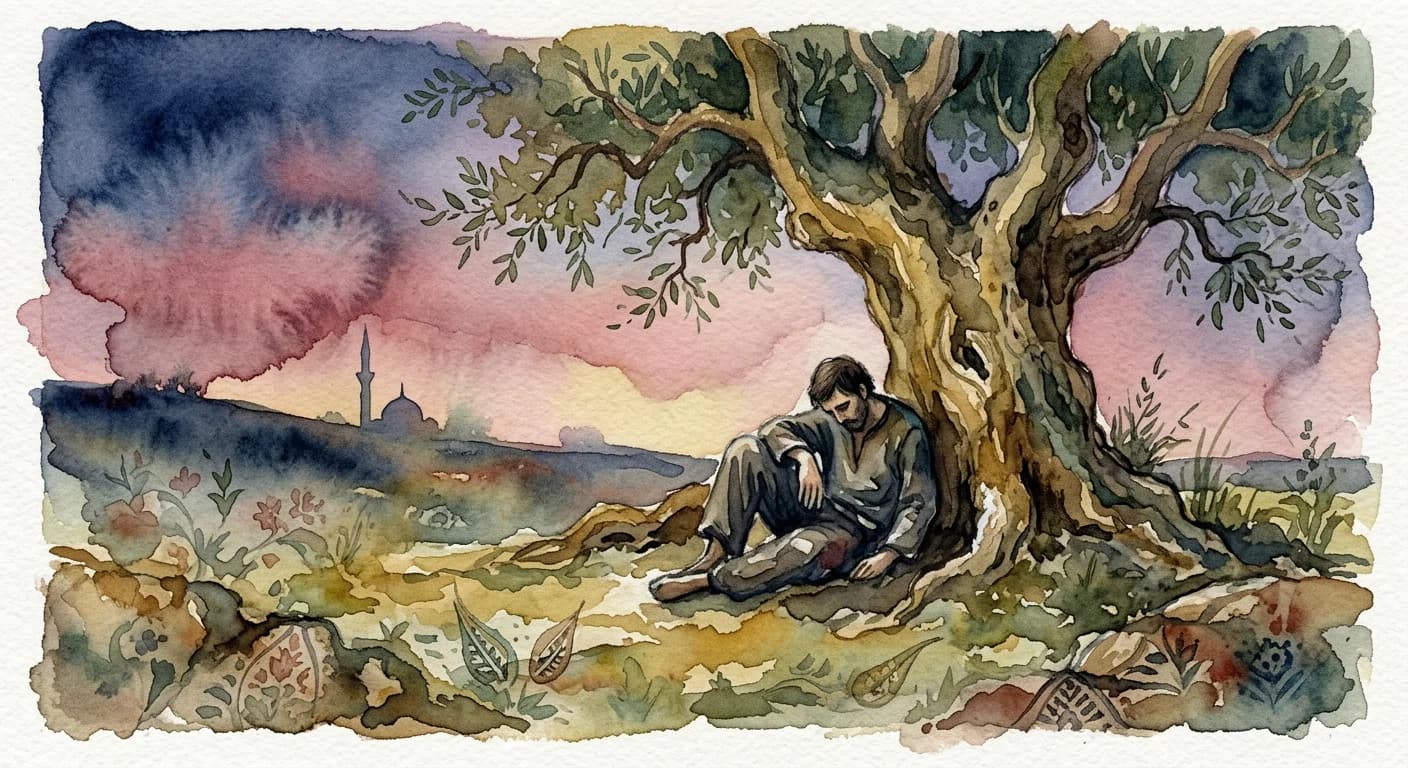
    Artistic representation of Çam devirmek
    Turkish•
    🇹🇷Turkey

    Çam devirmek

    /CHAHM deh-veer-MEK/

    Meaning

    Literally translating to "to knock over a pine tree," this Turkish idiom vividly captures the profound exhaustion that follows immense physical or mental exertion. It signifies a state beyond mere tiredness, an utter depletion of energy where one feels as though they have single-handedly wrestled a colossal, unyielding obstacle to the ground. This deep weariness leaves an individual utterly drained, yearning only for immediate rest and recovery, with even the simplest tasks seeming insurmountable.

    Literal Translation

    To knock over a pine tree

    The Story Behind the Word

    The imagery of "çam devirmek" is deeply rooted in Turkey's historical connection to its natural landscapes, particularly forests. Pine trees, known for their resilience, height, and robust root systems, represent significant, unyielding challenges. For a culture that has historically engaged in demanding agricultural work, forestry, and often faced harsh conditions, the effort required to fell such a tree embodies an almost superhuman expenditure of strength and will. This idiom reflects a society that values hard work and perseverance, but also acknowledges the very real, sometimes crushing, toll it can take on the human spirit and body. It speaks to a collective understanding that some efforts are so monumental they leave one utterly spent, emphasizing the respect for both labor and the need for restorative rest.

    Experience It

    Post-Harvest Exhaustion

    After two weeks of non-stop olive harvesting under the scorching sun, Mehmet stumbled into his home. His wife took one look at his slumped shoulders and vacant stare and said, "You've really çam devirmek, haven't you? Go, rest, everything else can wait."

    Mental Marathon

    Ayşe finally submitted her thesis after months of endless research and writing. She felt a profound emptiness, unable to even celebrate. "I feel like I've çam devirmek," she confessed to her friend, "my brain is completely fried."

    The Deeper Meaning

    This idiom reveals a pragmatic yet empathetic worldview. It acknowledges that human limits exist, and that pushing past them, while sometimes necessary, comes at a significant cost. It subtly suggests that true strength lies not just in enduring, but also in recognizing when one has truly given their all and needs to retreat for recovery, valuing the body's and mind's need for replenishment after extraordinary effort.

    Did You Know?

    While it sounds destructive, "çam devirmek" is purely metaphorical, highlighting the immense effort expended, not actual deforestation. It's about the internal feeling of having overcome a massive, personal 'pine tree'.

    How It's Used

    Used colloquially to describe extreme physical or mental exhaustion, often at the end of a long day or after a challenging event.

    Emotion
    melancholy
    Contexts
    relaxation,work
    🇹🇷Turkey

    by Sofia Rossi·Written Mar 10, 2026·Updated Apr 3, 2026

    Related Words

    Explore more
    SaudadePortuguese

    Saudade encapsulates a profound, melancholic longing for something or someone cherished that is absent, often with the bittersweet knowledge that it may never return. It's a deep emotional state tinged with nostalgia, evoking a sense of loss for past experiences, places, or people, yet also holding a tender appreciation for the beauty of what once was. This yearning is not merely sadness, but a complex tapestry of desire, memory, and a poignant acceptance of absence, holding the beloved in a warm, persistent embrace within the heart.

    TarofPersian

    Tarof is a deeply ingrained Iranian social custom, a delicate dance of politeness and deference where individuals engage in an elaborate exchange of offers and refusals. It's a performative humility, a way of showing respect and avoiding imposing, often involving multiple cycles of insistence and polite decline before a genuine acceptance or refusal is reached. This intricate ritual governs interactions from sharing food to paying bills, creating a nuanced social ballet.

    TarabArabic

    Tarab is far more than mere enjoyment; it's a profound, almost spiritual communion with music, where the performer and audience become one in a shared emotional journey. It signifies a state of ecstatic enchantment, a deep emotional surrender that transcends the self, leading to a transformative experience. This intense connection often manifests as spontaneous vocalizations, tears, or even physical swaying, as the music penetrates the soul and evokes a powerful release of feeling. It's a moment of pure, unadulterated musical rapture.

    KeyifTurkish

    Keyif is a profound state of unhurried, mindful enjoyment, a deliberate savoring of the present moment without urgency or expectation. It's not merely relaxation, but an active engagement with the simple pleasures of life, finding contentment in the sensory details of a warm cup of tea, the gentle breeze, or a quiet conversation. It embodies a serene acceptance of 'what is,' fostering an inner peace that makes even mundane activities feel like a small celebration.