El emeği
/el-eh-meh-YEE/
Meaning
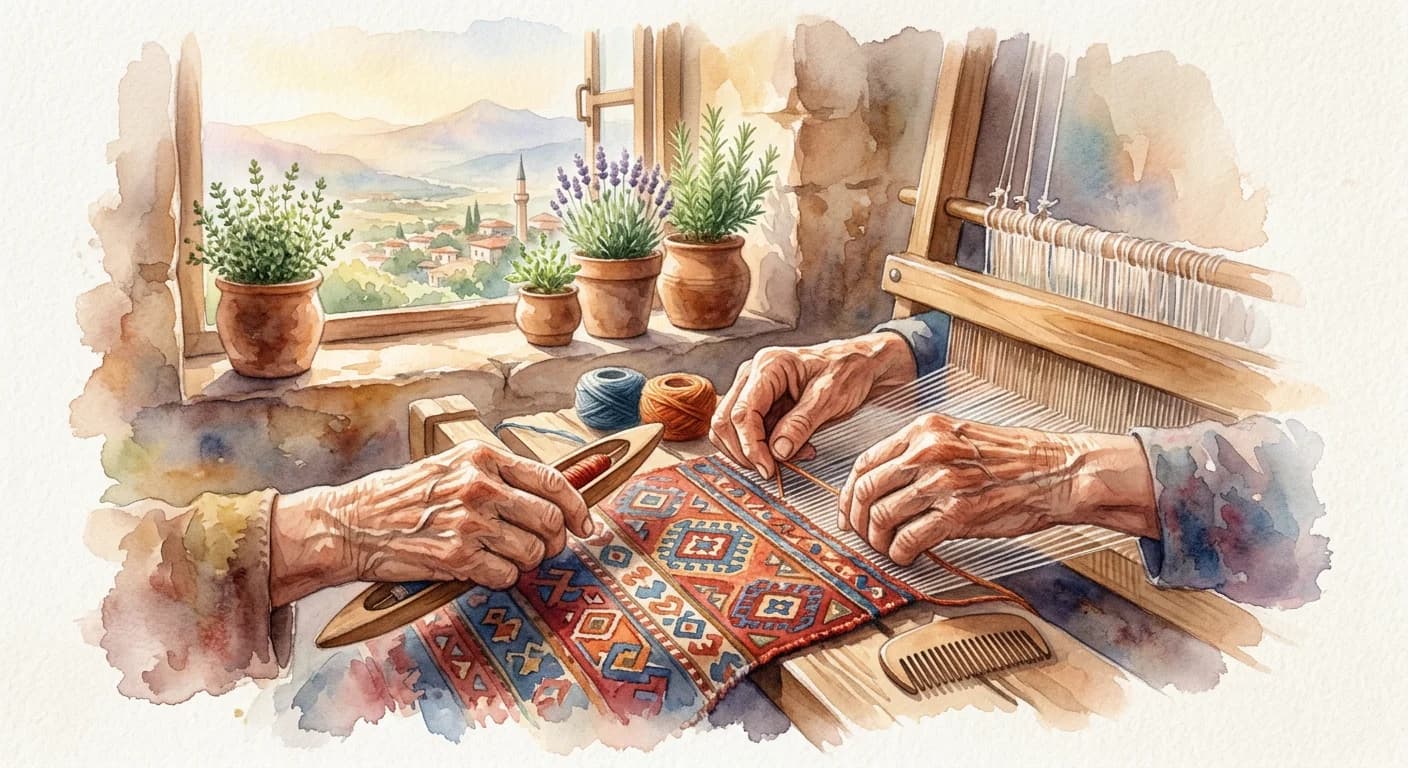
El emeği transcends a simple translation of 'handwork,' embodying the soul and dedication infused into objects crafted with personal effort, skill, and time. It signifies the profound value and unique character inherent in handmade goods, whether a meticulously knitted garment, an intricately woven rug, or a lovingly prepared meal. This concept celebrates the intimate connection between the creator and their creation, highlighting the care, patience, and often love poured into each piece, qualities that mass-produced items inherently lack. It's an acknowledgment of the irreplaceable human touch and the intrinsic worth of artisanal craftsmanship.
Literal Translation
Hand labor / Hand's labor
The Story Behind the Word
The concept of 'el emeği' is deeply rooted in Turkish culture, stemming from a history rich in artisanal traditions, particularly in textiles, ceramics, and culinary arts. For centuries, household items, clothing, and even food were predominantly made by hand, fostering a profound respect for the labor and skill involved. This word reflects a cultural philosophy that values quality, durability, and the personal narrative embedded in objects over mere functionality or cost. It reveals a worldview where time and effort spent in creation are seen as a form of giving, and receiving such an item is an honor. It also reinforces community ties, as 'el emeği' items are often gifts, heirlooms, or products of shared labor, embodying a collective cultural memory and identity.
Experience It
Grandmother's Gift
A young woman receives a beautifully embroidered scarf from her grandmother. Holding it close, she murmurs, 'Bu tam bir el emeği,' recognizing not just the stitches, but the countless hours, the love, and the stories woven into every thread, making it priceless.
Market Appreciation
At a local bazaar, a tourist admires a hand-painted ceramic plate. The vendor proudly states, 'Her biri el emeği göz nuru,' emphasizing that each piece is unique, a product of dedicated hand labor and the 'light of the eye' – a Turkish idiom for meticulous attention and effort.
The Deeper Meaning
El emeği embodies a philosophical stance that challenges the commodification of objects, asserting that true value extends beyond monetary worth. It champions the intrinsic dignity of human labor and creativity, suggesting that the effort and intention invested in creation imbue an object with a unique 'soul.' This perspective fosters a deeper connection to material culture, promoting mindfulness, appreciation, and a rejection of disposability in favor of lasting, meaningful creations.
Did You Know?
The phrase 'el emeği göz nuru' (hand labor, light of the eye) is a common extension, emphasizing the intense dedication and visual strain involved in creating something with one's own hands.
How It's Used
Used to describe and praise handmade items, emphasizing their value beyond monetary cost, often seen in contexts of crafts, textiles, and food prepared by hand.