Eşkiya
/ESH-kee-yah/
Meaning
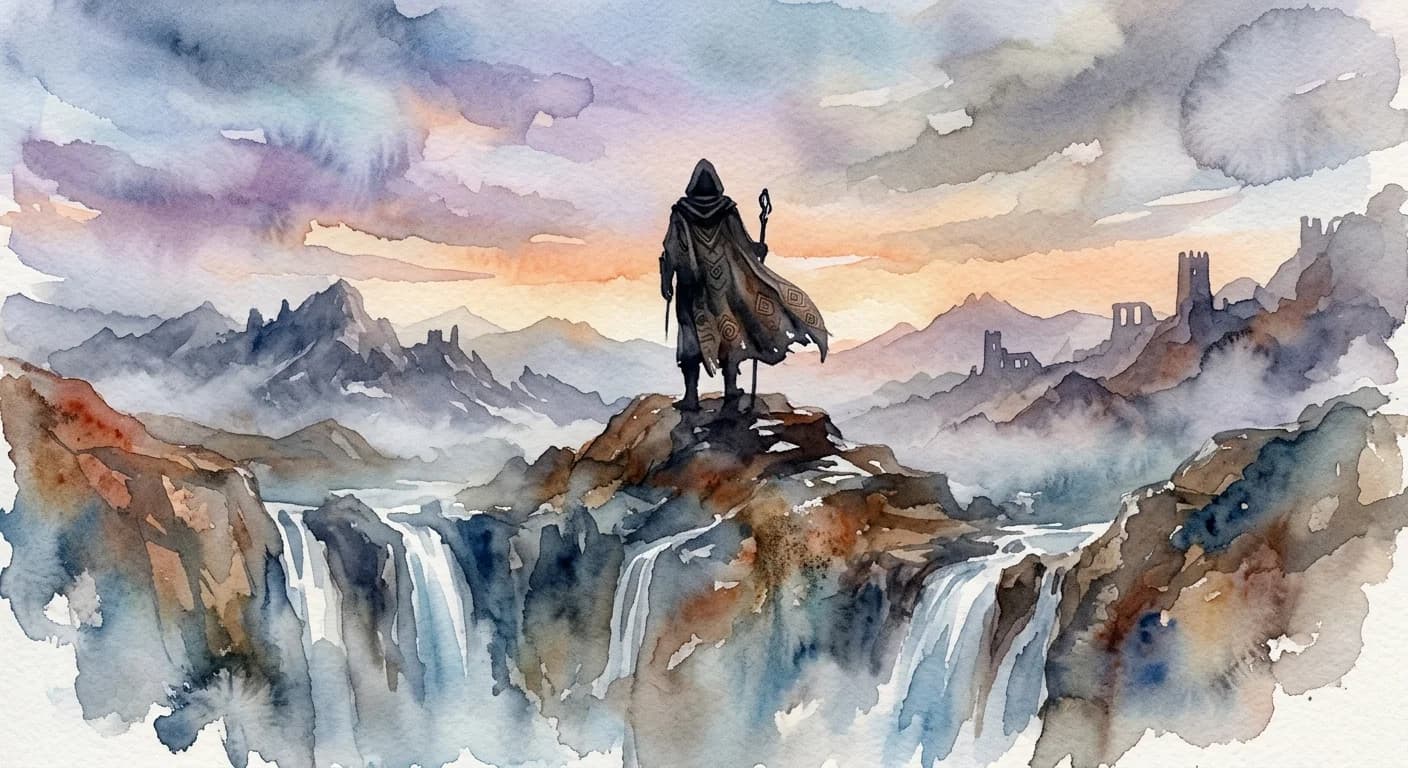
Eşkiya transcends the simple definition of 'bandit' or 'outlaw'; it embodies a figure of romanticized rebellion, a rugged individual who chooses to live outside the confines of societal law, often as a response to perceived injustice or oppression. This character is frequently imbued with a fierce sense of independence and a defiant spirit, becoming a symbol of resistance rather than pure criminality. The term evokes images of legendary historical figures who roamed the Anatolian mountains, their exploits woven into the rich tapestry of Turkish folklore and literature, where they are often celebrated as folk heroes championing the downtrodden.
Literal Translation
bandit, outlaw
The Story Behind the Word
The concept of 'eşkiya' is deeply rooted in Turkish history, particularly during periods of weak central authority or oppressive provincial governance, such as the late Ottoman era. These figures often emerged from peasant communities, driven to outlawry by heavy taxation, land disputes, or conscription. While undeniably engaging in banditry, their actions were frequently reinterpreted through a popular lens as a form of social justice, protecting the poor from corrupt officials or wealthy landowners. This cultural narrative reflects a strong tradition of valuing individual defiance against oppressive systems and a romanticization of freedom. The eşkiya became an archetype, embodying a yearning for justice and a spirit of independence that resonates deeply within the Turkish psyche, influencing literature, music, and cinema for centuries. Their existence highlights a historical tension between state power and local resistance, where 'the law' was not always perceived as 'justice'.
Experience It
Folklore's Rebel
Grandmother recounts tales of the eşkiya who once roamed their village's mountains, stealing from the rich landowners to feed the starving families during a harsh winter. She describes him not as a criminal, but as a brave man who dared to challenge injustice when no one else would.
Modern-Day Defiance
When a local activist group defied a controversial government decree, a newspaper editorial subtly referred to them as 'modern-day eşkiya,' acknowledging their rebellious spirit while hinting at their disregard for official mandates. The term sparked debate, highlighting the enduring power of the archetype.
The Deeper Meaning
The eşkiya archetype reveals a profound cultural skepticism towards absolute authority and a deep-seated appreciation for individual autonomy, especially when faced with perceived tyranny. It suggests that true justice might sometimes lie outside the established legal framework, and that defiance can be a moral imperative. This worldview champions a rugged individualism and a belief in the inherent right to resist oppression, even if it means sacrificing societal acceptance for a higher, personal code of honor.
Did You Know?
Many real-life eşkiya, like İnce Memed, became legendary figures whose stories are still told today, inspiring novels and films that portray them as complex heroes rather than simple villains.
How It's Used
Used to describe bandits, outlaws, or rebels, often with a romanticized or folkloric connotation.