U.
HomeRegionsLanguagesEmotionsCollections
Find Your Word

“The limits of my language mean the limits of my world.”

— Ludwig Wittgenstein, Philosopher

Untranslatable

A curated collection of the world's most beautiful expressions—words that remind us language is humanity's greatest invention.

  • Home
  • Collections
  • Regions
  • Countries
  • Emotions
  • Tags
  • Contexts
  • Finder
  • Europe
  • Asia
  • Americas
  • Africa
  • Middle East
  • About
  • Contact
  • Privacy Policy
  • Terms of Service

2026 © Untranslatable. All rights reserved.

    /
    /
    1. Home
    2. /
    3. Middle East
    4. /
    5. Hüzzam
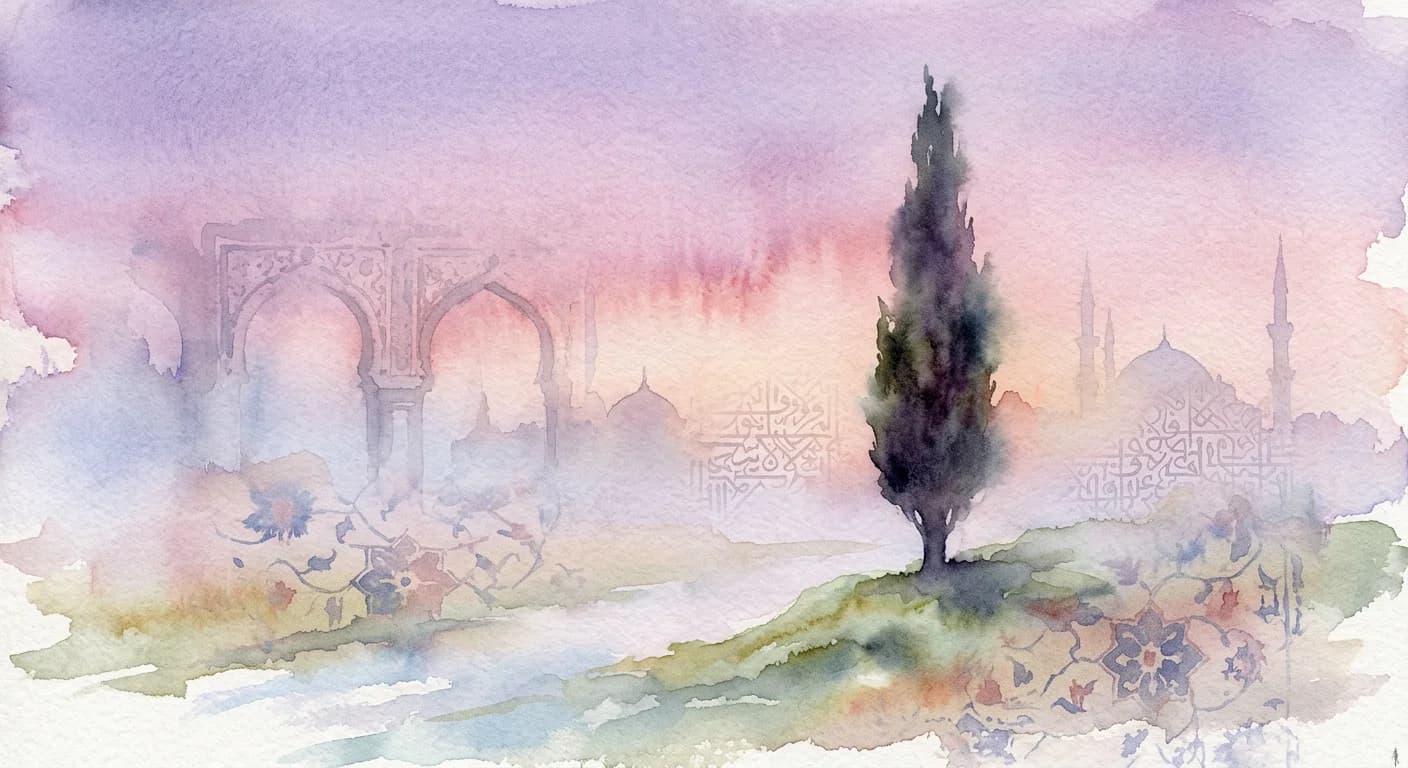
    Artistic representation of Hüzzam
    Turkish•
    🇹🇷Turkey

    Hüzzam

    /HOOZ-zam/

    Meaning

    Hüzzam is a profound musical mode (makam) in Ottoman classical music that encapsulates a deeply introspective and melancholic state, often described as a 'sweet sadness.' It evokes a contemplative longing, a gentle yearning that is far from despair, instead offering a rich emotional landscape for reflection. The distinctive melodic contours of Hüzzam guide the listener into a nuanced realm of tender sorrow and nostalgic beauty, unique to its cultural provenance.

    Literal Translation

    In Arabic, 'huzn' means sorrow or grief. The makam is likely named after this root, adapted into the Turkish musical system.

    The Story Behind the Word

    The existence of Hüzzam, and indeed the entire makam system, reveals a culture that values emotional complexity and subtlety, particularly in its artistic expressions. Rooted in a long tradition of Sufi thought and classical poetry, Ottoman music often sought to transcend the mundane and connect with deeper spiritual or emotional truths. Hüzzam, with its inherent melancholy, speaks to a philosophical acceptance of life's transient nature and the beauty found in introspection and yearning. It reflects a worldview where sadness is not necessarily a negative state to be avoided, but rather a profound avenue for self-discovery and connection, integral to the human experience and highly valued in artistic expression.

    Experience It

    A Hüzzam Evening

    The musician began the taksim, and the room fell silent. Each note, imbued with Hüzzam's gentle sorrow, seemed to echo the fading light of the İstanbul sunset, drawing everyone into a shared, contemplative mood.

    Poetic Hüzzam

    Reading the old divan poetry, she felt a familiar Hüzzam wash over her. The verses spoke of lost love and transient beauty, perfectly mirroring the makam's tender, reflective melancholy.

    The Deeper Meaning

    Hüzzam embodies a philosophy where melancholy is not a weakness but a profound source of insight and connection. It suggests that true emotional richness lies in embracing the full spectrum of human feeling, including a 'sweet sadness,' rather than solely pursuing joy. This perspective encourages introspection and finds beauty in the ephemeral, revealing a culture that values emotional depth and contemplative thought.

    Did You Know?

    Despite its melancholic nature, Hüzzam is often considered one of the most beloved and frequently performed makams, showcasing a cultural appreciation for nuanced emotional depth.

    How It's Used

    Hüzzam is used to describe a musical mode (makam) in Turkish classical music and to evoke the specific melancholic and introspective mood associated with it. It can be used in discussions about music, poetry, or to describe a particular emotional state that mirrors the musical feeling.

    Emotions
    longing,melancholy,nostalgia,peace
    Contexts
    relaxation,solitude
    🇹🇷Turkey

    by Sofia Rossi·Written Mar 10, 2026·Updated Apr 3, 2026

    Related Words

    Explore more
    SaudadePortuguese

    Saudade encapsulates a profound, melancholic longing for something or someone cherished that is absent, often with the bittersweet knowledge that it may never return. It's a deep emotional state tinged with nostalgia, evoking a sense of loss for past experiences, places, or people, yet also holding a tender appreciation for the beauty of what once was. This yearning is not merely sadness, but a complex tapestry of desire, memory, and a poignant acceptance of absence, holding the beloved in a warm, persistent embrace within the heart.

    Dolce far nienteItalian

    Dolce far niente captures the profound joy and effortless pleasure derived from simply existing without obligation or purpose. It's the art of savoring moments of pure, unadulterated idleness – lying in the sun, watching the clouds drift, or enjoying a leisurely coffee – not as a break from work, but as a valuable state in itself. This 'sweetness of doing nothing' is a conscious embrace of stillness and contentment, allowing the soul to breathe and the senses to fully engage with the present.

    MamihlapinatapaiYaghan

    Mamihlapinatapai encapsulates that profound, unspoken moment when two individuals lock eyes, each silently acknowledging a mutual desire or intention, yet both hesitate to be the first to act upon it. It's a delicate dance of anticipation, a shared gaze brimming with common understanding and a quiet longing for the other to break the ice. This intricate look carries the weight of a shared, uninitiated potential, a silent conversation where both parties are perfectly aware of what could happen, but neither makes the first move.

    TarofPersian

    Tarof is a deeply ingrained Iranian social custom, a delicate dance of politeness and deference where individuals engage in an elaborate exchange of offers and refusals. It's a performative humility, a way of showing respect and avoiding imposing, often involving multiple cycles of insistence and polite decline before a genuine acceptance or refusal is reached. This intricate ritual governs interactions from sharing food to paying bills, creating a nuanced social ballet.