U.
HomeRegionsLanguagesEmotionsCollections
Find Your Word

“The limits of my language mean the limits of my world.”

— Ludwig Wittgenstein, Philosopher

Untranslatable

A curated collection of the world's most beautiful expressions—words that remind us language is humanity's greatest invention.

  • Home
  • Collections
  • Regions
  • Countries
  • Emotions
  • Tags
  • Contexts
  • Finder
  • Europe
  • Asia
  • Americas
  • Africa
  • Middle East
  • About
  • Contact
  • Privacy Policy
  • Terms of Service

2026 © Untranslatable. All rights reserved.

    /
    /
    1. Home
    2. /
    3. Middle East
    4. /
    5. Özlem
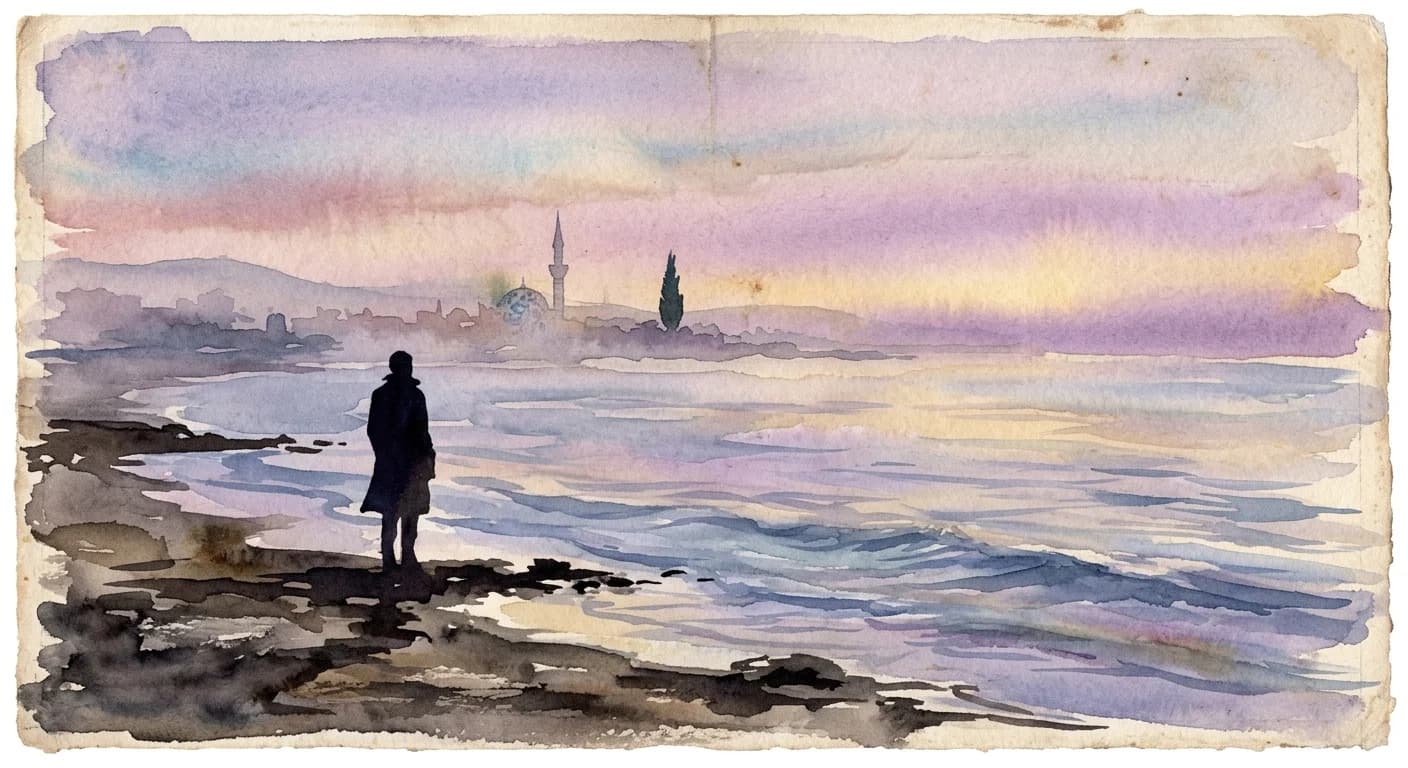
    Artistic representation of Özlem
    Turkish•
    🇹🇷Turkey

    Özlem

    /UZ-lem/

    Meaning

    Özlem transcends simple nostalgia, embodying a profound, aching yearning for something or someone absent, often tinged with a bittersweet melancholy. It's a deep emotional resonance, a sense of incompleteness that gnaws at the heart, whether directed towards cherished memories, distant loved ones, or a past state of being. This feeling encapsulates the human experience of connection and the poignant ache that arises when that connection is severed, even momentarily, highlighting the enduring impact of absence on the soul.

    Literal Translation

    longing, yearning

    The Story Behind the Word

    The concept of "özlem" is deeply woven into the fabric of Turkish culture, reflecting a society that values strong interpersonal bonds, family, and a rich historical consciousness. Its prevalence in poetry, music (especially folk and classical Turkish music), and everyday conversation suggests a cultural acceptance and even embrace of deep emotional expression, particularly in matters of separation and longing. The historical experience of migration, both internal and external, within Turkey has also likely amplified the collective understanding and experience of "özlem," making it a shared emotional landscape. It reveals a worldview where absence is not merely a void but an active, shaping force on one's emotional state and identity, often romanticized and seen as a testament to the depth of one's affections.

    Experience It

    A Mother's Özlem

    Ayşe gazes at her son's graduation photo, a bittersweet smile on her face. He lives thousands of kilometers away for work, and while proud, a deep özlem for his daily presence and laughter aches in her heart, making her reach for the phone to call him again.

    Longing for Istanbul

    Mehmet, now living abroad, closes his eyes and can almost smell the Bosphorus, hear the call to prayer, and feel the cobblestones under his feet. The özlem for his vibrant, chaotic, and beloved Istanbul is a constant companion, a deep yearning for home that no new city can quite fill.

    The Deeper Meaning

    Özlem reveals a philosophical understanding of human existence where absence is not merely a lack, but a profound presence that shapes identity and meaning. It suggests that our connections, even when physically severed, continue to define us, and that the ache of longing is a testament to the depth of our capacity for love and attachment. This perspective embraces the bittersweet nature of life, where joy is inseparable from the potential for loss and yearning.

    Did You Know?

    Many popular Turkish folk songs and ballads are entirely dedicated to expressing "özlem," making it a central theme in the nation's musical heritage, often performed with deep emotional intensity.

    How It's Used

    Used to express a deep sense of missing someone or something, often with a melancholic or bittersweet undertone.

    Emotions
    bittersweet,longing,melancholy,nostalgia
    Contexts
    daily life,family,farewell
    🇹🇷Turkey

    by Sofia Rossi·Written Mar 10, 2026·Updated Apr 3, 2026

    Related Words

    Explore more
    SaudadePortuguese

    Saudade encapsulates a profound, melancholic longing for something or someone cherished that is absent, often with the bittersweet knowledge that it may never return. It's a deep emotional state tinged with nostalgia, evoking a sense of loss for past experiences, places, or people, yet also holding a tender appreciation for the beauty of what once was. This yearning is not merely sadness, but a complex tapestry of desire, memory, and a poignant acceptance of absence, holding the beloved in a warm, persistent embrace within the heart.

    MamihlapinatapaiYaghan

    Mamihlapinatapai encapsulates that profound, unspoken moment when two individuals lock eyes, each silently acknowledging a mutual desire or intention, yet both hesitate to be the first to act upon it. It's a delicate dance of anticipation, a shared gaze brimming with common understanding and a quiet longing for the other to break the ice. This intricate look carries the weight of a shared, uninitiated potential, a silent conversation where both parties are perfectly aware of what could happen, but neither makes the first move.

    TarofPersian

    Tarof is a deeply ingrained Iranian social custom, a delicate dance of politeness and deference where individuals engage in an elaborate exchange of offers and refusals. It's a performative humility, a way of showing respect and avoiding imposing, often involving multiple cycles of insistence and polite decline before a genuine acceptance or refusal is reached. This intricate ritual governs interactions from sharing food to paying bills, creating a nuanced social ballet.

    TarabArabic

    Tarab is far more than mere enjoyment; it's a profound, almost spiritual communion with music, where the performer and audience become one in a shared emotional journey. It signifies a state of ecstatic enchantment, a deep emotional surrender that transcends the self, leading to a transformative experience. This intense connection often manifests as spontaneous vocalizations, tears, or even physical swaying, as the music penetrates the soul and evokes a powerful release of feeling. It's a moment of pure, unadulterated musical rapture.