Honne and Tatemae
/HON-neh and ta-teh-MY/
Meaning
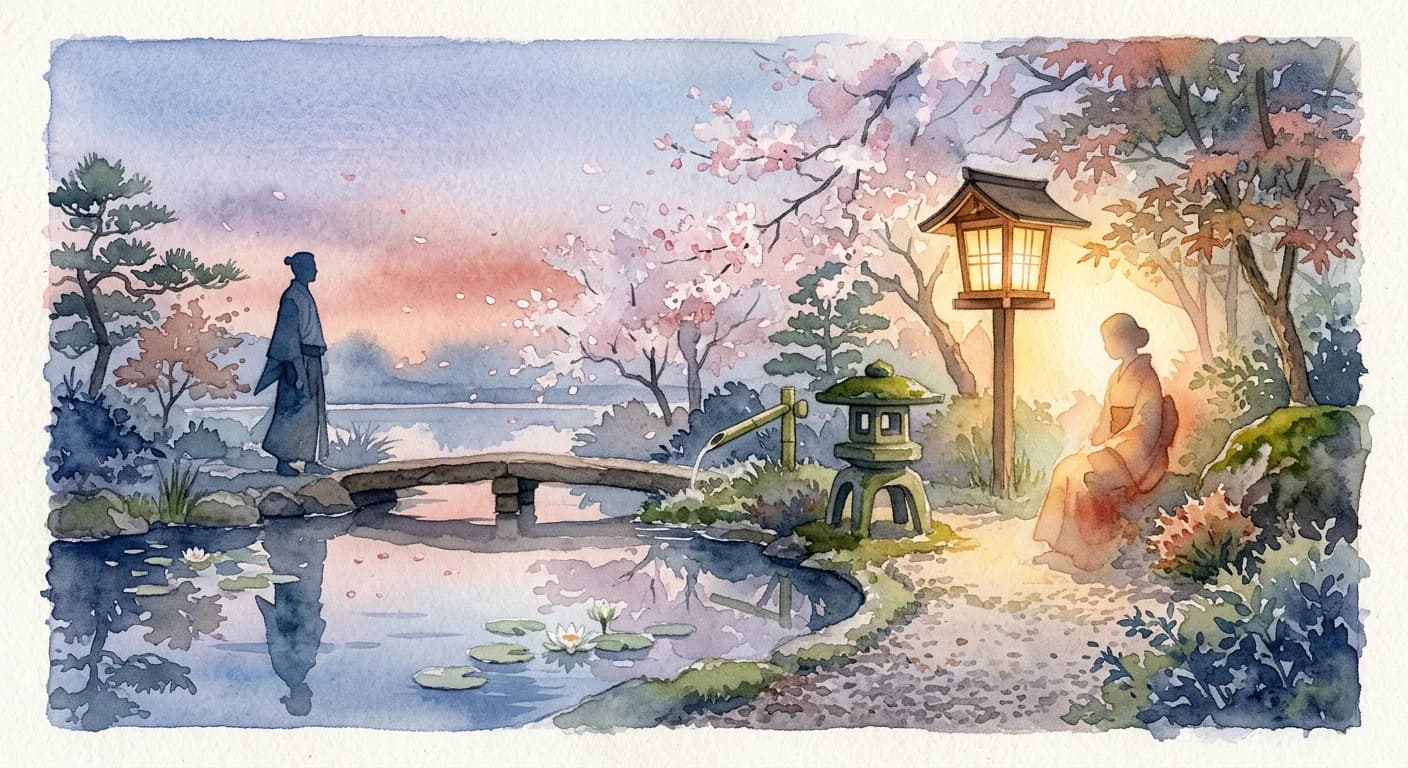
Honne and Tatemae delineate the intricate dance between one's authentic self and the cultivated persona presented to the world. Honne represents the deep-seated, often unspoken desires, convictions, and emotions that reside within, a private sanctuary of truth. Conversely, Tatemae is the carefully constructed public facade, the socially appropriate behavior and expressed opinions meticulously crafted to maintain harmony, defer to hierarchy, and navigate complex social landscapes without causing disruption. This fundamental dichotomy underscores a profound understanding of social context, where direct, unvarnished honesty might be perceived not as virtue, but as a potentially destabilizing force in collective well-being.
Literal Translation
Honne: true sound/voice; Tatemae: facade/front
The Story Behind the Word
The roots of Honne and Tatemae are deeply embedded in Japan's historical and philosophical traditions, particularly influenced by Confucianism and a long-standing emphasis on group cohesion over individual assertion. In a society historically structured around tight-knit communities, villages, and later corporations, maintaining 'wa' (harmony) was paramount for survival and stability. Open conflict or direct disagreement could jeopardize these delicate social bonds. This led to the development of sophisticated social mechanisms, where individuals learned to prioritize the collective good by sometimes suppressing personal feelings (honne) in favor of outwardly conforming behavior (tatemae). It reflects a worldview where social relationships are meticulously cultivated and protected, and where indirect communication often conveys more respect and understanding than blunt truth.
Experience It
Unwanted Gift Acceptance
A Japanese guest receives a gift they genuinely dislike from their host (honne). However, they express profuse gratitude, praising its thoughtfulness and beauty, ensuring the host feels appreciated and the social atmosphere remains positive (tatemae).
Workplace Disagreement
During a team meeting, an employee strongly disagrees with a proposed strategy (honne). Instead of voicing direct opposition, they might say, 'That's an interesting approach, have we considered all potential angles?' or 'I wonder if there might be other possibilities to explore,' subtly signaling their reservations without challenging authority (tatemae).
The Deeper Meaning
Honne and Tatemae unveil a philosophy that values relational harmony and social order above individual expression, suggesting that true wisdom lies in understanding when and how to reveal one's inner self. It highlights a collectivist worldview where the 'self' is often defined in relation to others and the group, fostering a deep sense of empathy and consideration for the emotional comfort of those around you.
Did You Know?
The concept isn't about deception, but rather a highly refined form of social intelligence, allowing for smooth interactions in complex hierarchical and communal settings.
How It's Used
Used to explain the difference between what a person truly feels or thinks (honne) and what they say or do in public or in specific social situations (tatemae). It's often invoked in discussions about social etiquette, business interactions, and interpersonal relationships in Japan.