U.
HomeRegionsLanguagesEmotionsCollections
Find Your Word

“The limits of my language mean the limits of my world.”

— Ludwig Wittgenstein, Philosopher

Untranslatable

A curated collection of the world's most beautiful expressions—words that remind us language is humanity's greatest invention.

  • Home
  • Collections
  • Regions
  • Countries
  • Emotions
  • Tags
  • Contexts
  • Finder
  • Europe
  • Asia
  • Americas
  • Africa
  • Middle East
  • About
  • Contact
  • Privacy Policy
  • Terms of Service

2026 © Untranslatable. All rights reserved.

    /
    /
    1. Home
    2. /
    3. Asia
    4. /
    5. Kuchisabishii
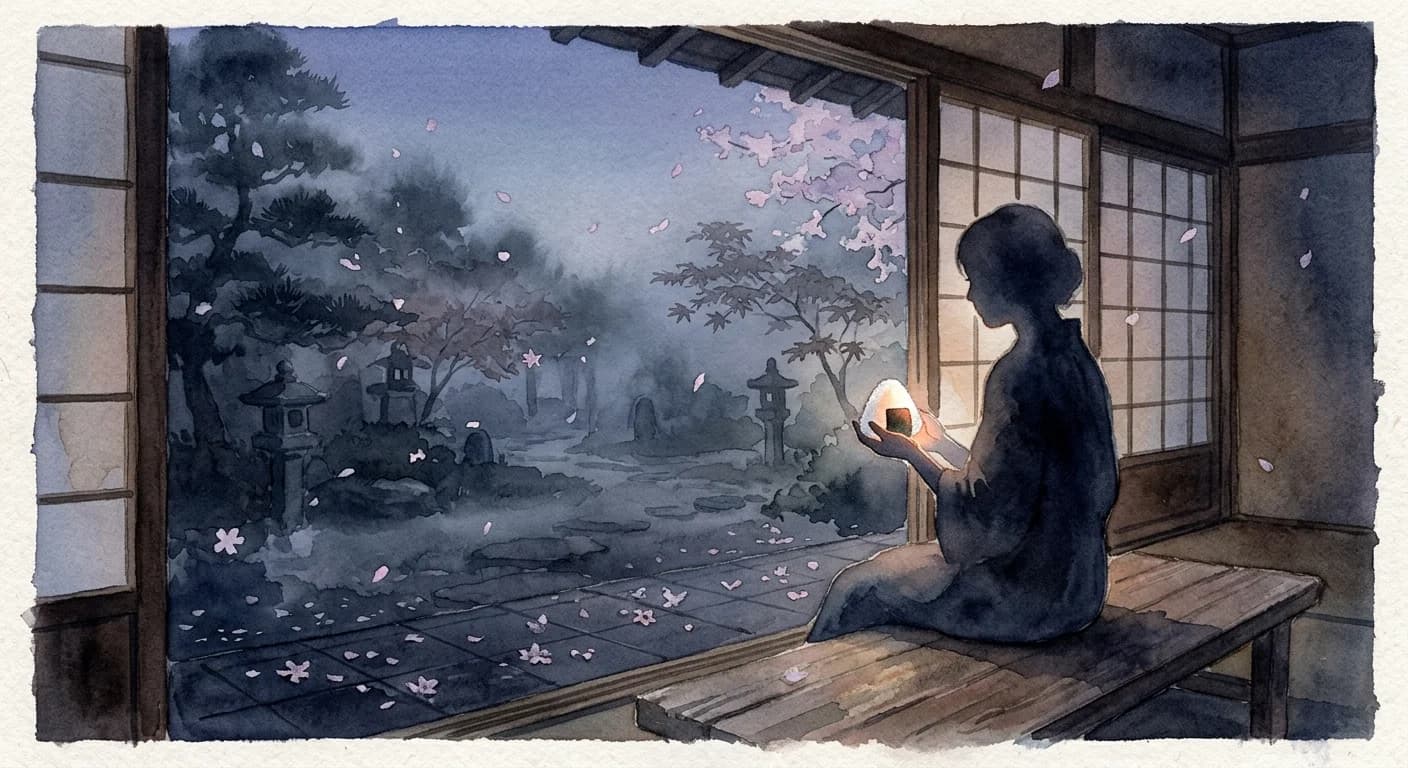
    Artistic representation of Kuchisabishii
    Japanese•
    🇯🇵Japan

    Kuchisabishii

    /koo-chee-sah-BEE-shee/

    Meaning

    Kuchisabishii describes the gnawing, melancholic sensation of a 'lonely mouth,' compelling one to seek comfort through eating, not due to physical hunger, but to fill an emotional void. It's the subconscious act of pacifying feelings of boredom, emptiness, or emotional adriftness with the tactile and sensory experience of food. This uniquely Japanese term articulates a profound human tendency to use physical gratification as a balm for the soul, acknowledging the intricate dance between our inner emotional landscape and our outward physical actions.

    Literal Translation

    Mouth lonely

    The Story Behind the Word

    The existence of 'kuchisabishii' in the Japanese lexicon reflects a cultural predisposition towards nuanced emotional expression and introspection, particularly concerning subtle discomforts. In a society that often values stoicism and collective harmony, direct articulation of loneliness or dissatisfaction might be less common. Instead, these feelings can manifest somatically, and 'kuchisabishii' provides a gentle, almost poetic label for this internal experience. It highlights a cultural understanding that emotional well-being is deeply intertwined with physical sensations, and that unmet emotional needs can drive seemingly unrelated behaviors. This word also touches upon the Japanese appreciation for sensory experiences as a means of comfort and engagement with the present moment, even if briefly.

    Experience It

    Evening Solace

    After a quiet evening alone, the television drone offering little comfort, Kenji found himself opening the refrigerator door. He wasn't hungry, he'd eaten dinner hours ago, but a lingering sense of kuchisabishii made him reach for a small mochi, hoping the sweet chewiness would soothe the quiet ache.

    Office Distraction

    During a particularly slow afternoon at the office, with no pressing tasks and colleagues engaged in their own work, Akiko felt a familiar emptiness creep in. She found herself mindlessly munching on crackers from her desk drawer, realizing it wasn't hunger, but kuchisabishii, a desire to occupy her mouth and mind.

    The Deeper Meaning

    This word reveals a philosophy that deeply connects the physical body with emotional and spiritual states. It acknowledges that human beings are not purely rational agents, and that our deeper yearnings often manifest in physical behaviors. 'Kuchisabishii' suggests an understanding that the mouth, beyond its role in sustenance, can also be a conduit for emotional regulation, a small, accessible comfort in the face of internal disquiet.

    Did You Know?

    While often associated with snacks, 'kuchisabishii' can also describe the urge to drink something, like tea or coffee, purely for the comforting ritual and oral sensation, not just thirst.

    How It's Used

    Used to describe the feeling of wanting to eat simply because one feels lonely, bored, or emotionally empty, often as a way to cope or seek comfort.

    Emotions
    comfort,longing,melancholy
    Contexts
    dining,relaxation,solitude
    🇯🇵Japan

    by Dr. Kenji Tanaka·Written Mar 14, 2026·Updated Apr 3, 2026

    Related Words

    Explore more
    SaudadePortuguese

    Saudade encapsulates a profound, melancholic longing for something or someone cherished that is absent, often with the bittersweet knowledge that it may never return. It's a deep emotional state tinged with nostalgia, evoking a sense of loss for past experiences, places, or people, yet also holding a tender appreciation for the beauty of what once was. This yearning is not merely sadness, but a complex tapestry of desire, memory, and a poignant acceptance of absence, holding the beloved in a warm, persistent embrace within the heart.

    Wabi-sabiJapanese

    Wabi-sabi is the profound appreciation for the ephemeral, the imperfect, and the incomplete aspects of existence. It is about discovering beauty in the subtle textures of age, the unique character of flaws, and the gentle decay that marks the passage of time. This philosophy encourages a quiet acceptance of impermanence and a mindful connection to the natural world, finding elegance in simplicity and authenticity.

    IkigaiJapanese

    Ikigai is more than just a reason to get out of bed; it's a deeply personal and evolving sense of purpose that brings genuine fulfillment and joy to one's life. It represents the sweet spot where your passions, talents, needs of the world, and what you can be paid for beautifully converge. Discovering your ikigai often leads to a life lived with intentionality, resilience, and a profound connection to one's contributions. It's the intrinsic motivation that fuels a meaningful existence, regardless of external circumstances.

    NunchiKorean

    Nunchi is the sophisticated, almost telepathic, ability to instantly grasp the unspoken dynamics of any social situation, anticipating others' thoughts and feelings, and then responding with impeccable grace and timing. It's an acute form of social intuition, allowing one to navigate complex interpersonal landscapes by reading subtle cues like body language, tone, and context. Possessing good nunchi means effortlessly understanding the underlying emotional currents and adjusting one's behavior to maintain harmony and effectiveness, often without a single word exchanged.