U.
HomeRegionsLanguagesEmotionsCollections
Find Your Word

“The limits of my language mean the limits of my world.”

— Ludwig Wittgenstein, Philosopher

Untranslatable

A curated collection of the world's most beautiful expressions—words that remind us language is humanity's greatest invention.

  • Home
  • Collections
  • Regions
  • Countries
  • Emotions
  • Tags
  • Contexts
  • Finder
  • Europe
  • Asia
  • Americas
  • Africa
  • Middle East
  • About
  • Contact
  • Privacy Policy
  • Terms of Service

2026 © Untranslatable. All rights reserved.

    /
    /
    1. Home
    2. /
    3. Europe
    4. /
    5. Waldeinsamkeit
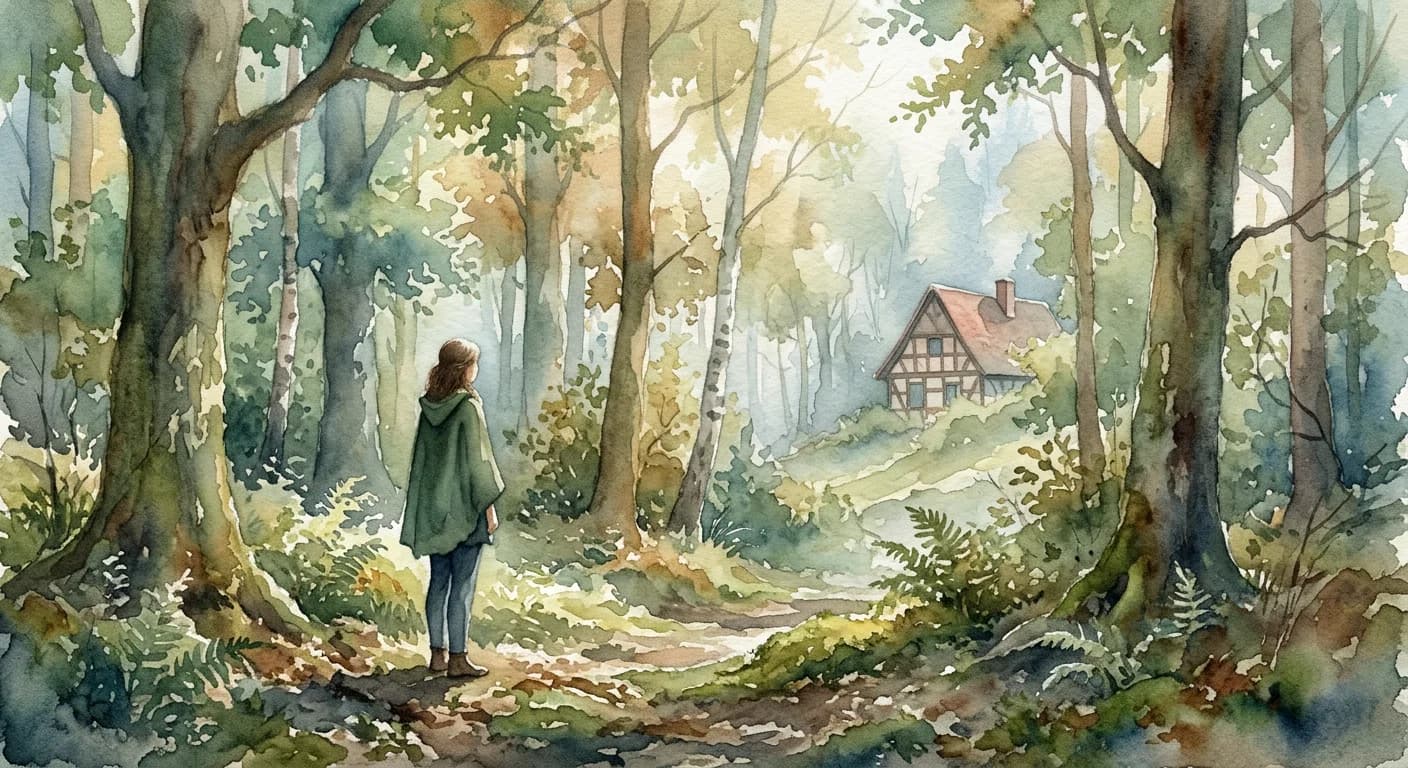
    Artistic representation of Waldeinsamkeit
    German•
    🇩🇪Germany

    Waldeinsamkeit

    /VAHLD-ine-zahm-kite/

    Meaning

    Waldeinsamkeit describes the profound and often spiritual feeling of being utterly alone in the forest, enveloped by its quiet majesty. It's not mere loneliness, but a cherished solitude where one feels both intimately connected to the natural world and simultaneously humbled by its vastness. This unique state blends a contemplative melancholy with a deep sense of peace, fostering introspection and a serene communion with nature that rejuvenates the soul.

    Literal Translation

    forest-loneliness

    The Story Behind the Word

    Waldeinsamkeit is deeply rooted in German Romanticism, a 19th-century artistic and intellectual movement that glorified nature, emotion, and the individual's inner experience. For Germans, the forest (Wald) is more than just trees; it's a symbolic space of mystery, refuge, and spiritual awakening, often depicted in folklore, fairy tales, and poetry. This word reflects a cultural reverence for nature and a philosophical inclination towards introspection and emotional depth. It reveals a worldview where solitude in nature is not an absence, but a profound presence, offering solace and a connection to something ancient and timeless, often seen as a counterpoint to modern industrial life.

    Experience It

    Morning Forest Retreat

    After a week of urban bustle, Sarah sought refuge. Walking deep into the Black Forest, the sounds of her own footsteps faded, replaced by birdsong and rustling leaves. A profound Waldeinsamkeit settled over her, washing away her anxieties as she felt utterly at peace, a small part of something immense.

    Poet's Inspiration

    Lost in thought beneath ancient oaks, the poet found his Waldeinsamkeit. The dappled sunlight on the forest floor, the scent of pine, and the hushed stillness allowed his mind to wander, free from distraction. In that profound solitude, verses began to form, inspired by the forest's quiet grandeur.

    The Deeper Meaning

    This word embodies a deep philosophical appreciation for the transformative power of nature and solitude. It suggests that true self-discovery and spiritual connection can often be found not in human interaction, but in the quiet, reflective presence within the natural world. It highlights a worldview where nature is a teacher, a healer, and a mirror for the soul, offering a profound sense of belonging even in isolation.

    Did You Know?

    The concept of Waldeinsamkeit was popularized by German Romantic poets like Joseph von Eichendorff, who frequently explored themes of nature, wanderlust, and solitude in their works.

    How It's Used

    This word is used to describe the specific emotional and psychological state experienced when one is alone in a forest or wooded area, appreciating the solitude and the surrounding nature.

    Emotions
    contentment,melancholy,peace,serenity
    Contexts
    nature,relaxation,solitude
    🇩🇪Germany

    by Annelise Dubois·Written Mar 14, 2026·Updated Apr 3, 2026

    Related Words

    Explore more
    HyggeDanish

    Hygge is more than mere coziness; it's a holistic embrace of comfort, warmth, and belonging that nourishes the soul. It describes the intentional creation of an intimate atmosphere where simple pleasures, genuine connection, and mindful presence converge, fostering a profound sense of contentment and well-being. It's about finding joy and peace in the small, everyday moments, often shared with loved ones.

    SaudadePortuguese

    Saudade encapsulates a profound, melancholic longing for something or someone cherished that is absent, often with the bittersweet knowledge that it may never return. It's a deep emotional state tinged with nostalgia, evoking a sense of loss for past experiences, places, or people, yet also holding a tender appreciation for the beauty of what once was. This yearning is not merely sadness, but a complex tapestry of desire, memory, and a poignant acceptance of absence, holding the beloved in a warm, persistent embrace within the heart.

    GezelligDutch

    Gezellig encapsulates a profound sense of warmth, belonging, and convivial comfort, extending beyond mere coziness to embrace the social and emotional atmosphere. It's the feeling of being truly at ease, surrounded by good company, laughter, and a shared sense of contentment. This untranslatable term describes not just a physical space, but a holistic experience where time seems to slow down, fostering genuine connection and a deep sense of well-being.

    Dolce far nienteItalian

    Dolce far niente captures the profound joy and effortless pleasure derived from simply existing without obligation or purpose. It's the art of savoring moments of pure, unadulterated idleness – lying in the sun, watching the clouds drift, or enjoying a leisurely coffee – not as a break from work, but as a valuable state in itself. This 'sweetness of doing nothing' is a conscious embrace of stillness and contentment, allowing the soul to breathe and the senses to fully engage with the present.

    Featured in 5 collections

    🍂Seasonal Whispers⏳Temporal Tapestry👴Elder Wisdom