Fiaka
/FEE-ah-kah/
Meaning
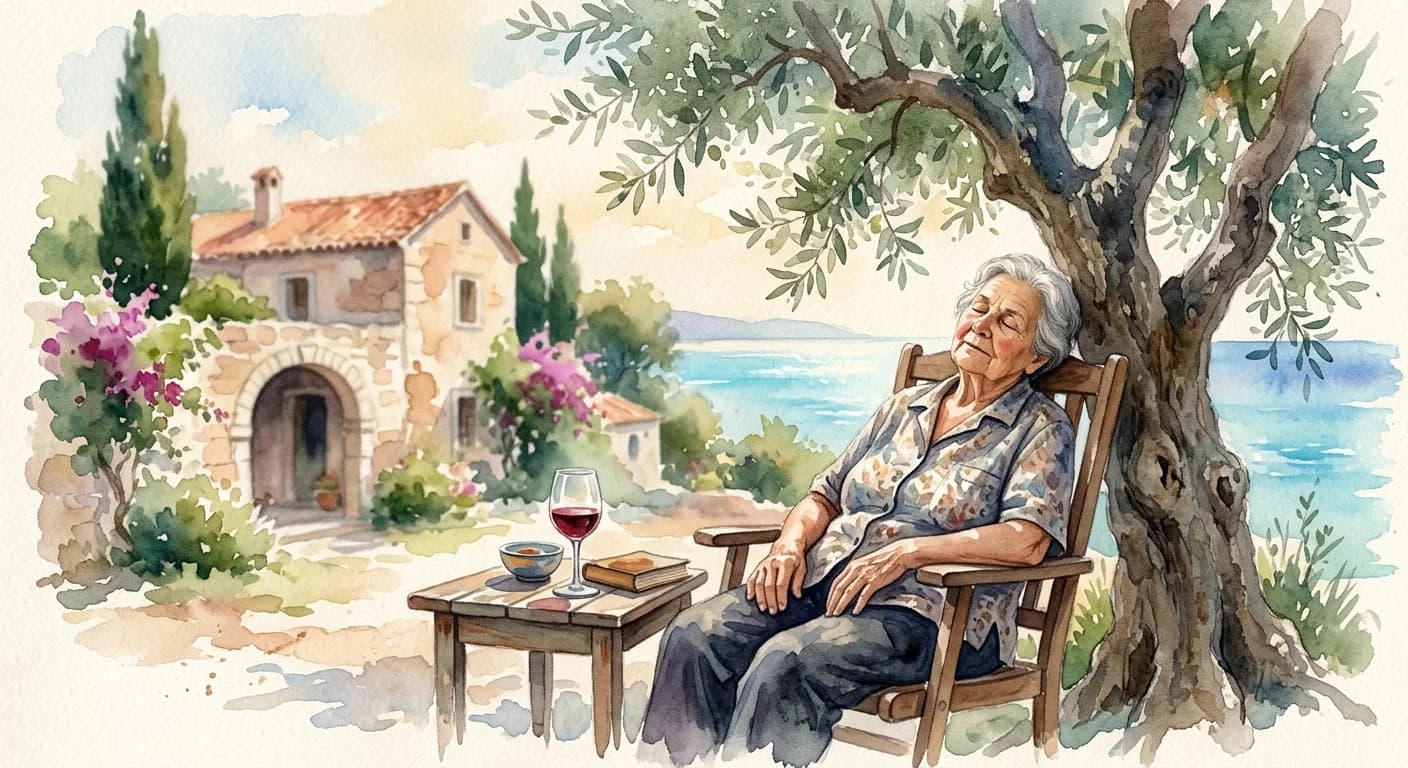
Fiaka is not mere laziness, but a cherished, almost sacred state of unhurried idleness deeply embedded in Croatian coastal life. It embodies a serene surrender to the present moment, a gentle refusal to be dictated by clocks or productivity, and an appreciation for the simple act of existing. This blissful inertia often manifests as a languid afternoon siesta, a drawn-out coffee with friends, or simply gazing at the sea, embracing the warmth and the slowness of life without guilt or obligation.
Literal Translation
Laziness, idleness
The Story Behind the Word
The concept of 'fiaka' is inextricably linked to the Mediterranean climate and lifestyle, particularly along Croatia's Adriatic coast. Historically, the intense summer heat naturally enforced periods of inactivity, blurring the lines between necessity and pleasure. This environmental influence fostered a cultural appreciation for slowing down, a counterpoint to the more bustling pace of continental Europe. It's a philosophy born from a blend of ancient Greek and Roman influences, which valued leisure and contemplation, and the practicalities of a maritime existence where waiting for the right wind or tide was a natural part of life. 'Fiaka' reveals a worldview that prioritizes well-being, social connection, and an intrinsic joy in being, over relentless striving or material accumulation. It's a quiet rebellion against the pressures of modern efficiency, suggesting that true living often happens in the spaces between tasks.
Experience It
Afternoon Siesta
The midday sun beat down on Split, and Marko, after a leisurely lunch, stretched out on his sofa. He wasn't sleeping, nor was he actively doing anything; he was simply existing, eyes half-closed, listening to the distant hum of the city. This was his daily fiaka, a sacred pause.
Seaside Contemplation
Ana sat on a stone wall overlooking the shimmering Adriatic, a half-empty coffee cup beside her. Hours drifted by as she watched fishing boats, lost in thought, without any agenda or pressure to move. She was deep in fiaka, savoring the moment and the gentle sea breeze.
The Deeper Meaning
Fiaka encapsulates a profound philosophical stance: that true richness in life isn't always found in doing, but often in being. It challenges the modern obsession with productivity and efficiency, suggesting that deliberate inactivity and mindful idleness are not wastes of time, but essential components of a balanced, fulfilling existence. It's a quiet affirmation of the human need for rest, reflection, and connection with the rhythms of nature.
Did You Know?
The term 'fiaka' is so culturally significant that some Croatians consider it an essential part of their national identity, a form of passive resistance to the global rush.
How It's Used
Fiaka is typically used to describe a state of being, a feeling, or a behavior characterized by a pleasant, unhurried idleness. It's often invoked on hot summer days or during periods of relaxation, implying a voluntary surrender to inactivity and a deep appreciation for leisure.