U.
HomeRegionsLanguagesEmotionsCollections
Find Your Word

“The limits of my language mean the limits of my world.”

— Ludwig Wittgenstein, Philosopher

Untranslatable

A curated collection of the world's most beautiful expressions—words that remind us language is humanity's greatest invention.

  • Home
  • Collections
  • Regions
  • Countries
  • Emotions
  • Tags
  • Contexts
  • Finder
  • Europe
  • Asia
  • Americas
  • Africa
  • Middle East
  • About
  • Contact
  • Privacy Policy
  • Terms of Service

2026 © Untranslatable. All rights reserved.

    /
    /
    1. Home
    2. /
    3. Asia
    4. /
    5. Kenja taimu
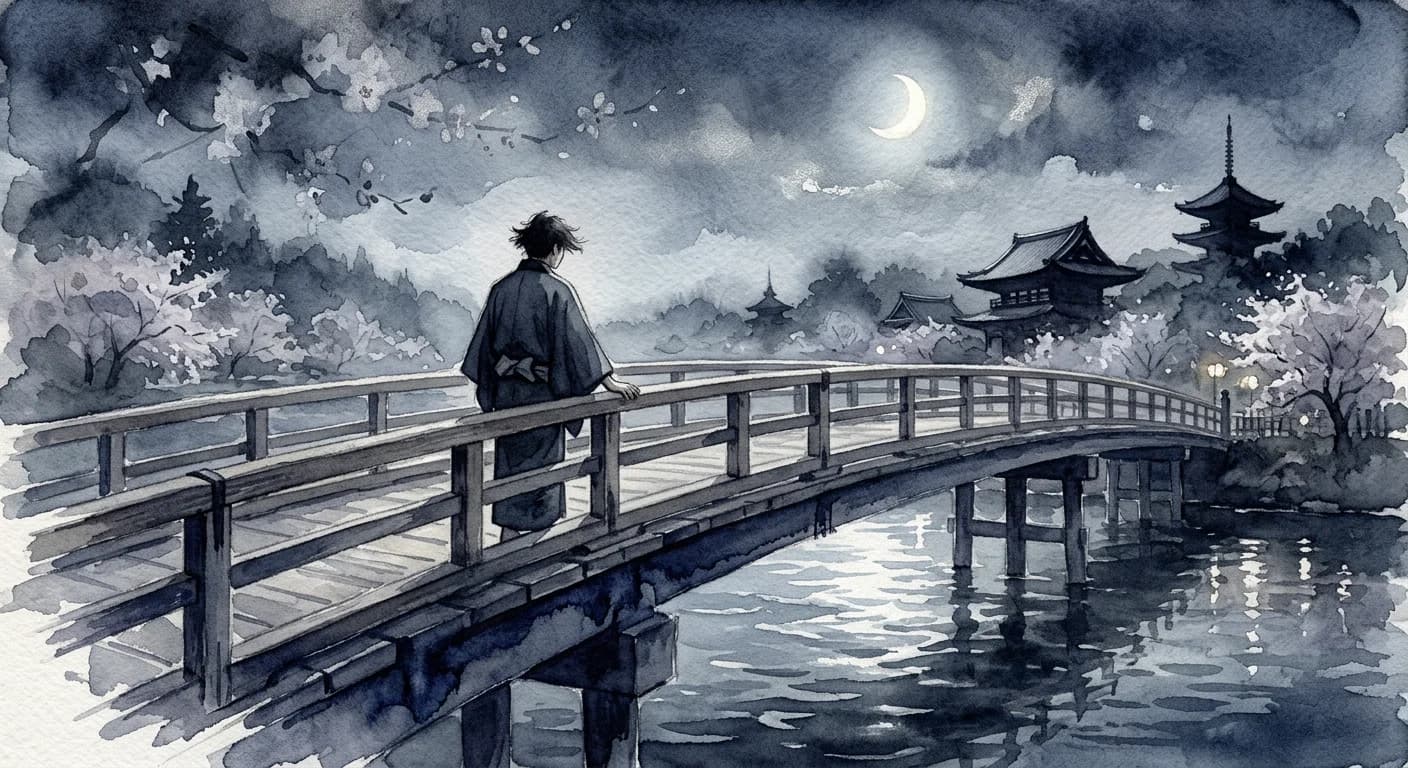
    Artistic representation of Kenja taimu
    Japanese•
    🇯🇵Japan

    Kenja taimu

    /KEN-jah TIE-moo/

    Meaning

    “Kenja taimu” (賢者タイム), literally “wisdom time,” is the poignant, often self-flagellating period of lucid regret that washes over an individual after engaging in an impulsive or excessive act, particularly one fueled by alcohol. It's that stark, sobering moment of clarity where the foolishness of one's recent behavior crystallizes, often accompanied by a profound yearning to undo the past and a deep sense of social awkwardness. This isn't mere embarrassment; it's a deeply felt, almost philosophical reckoning with one's own poor judgment and its repercussions.

    Literal Translation

    Wisdom time

    The Story Behind the Word

    The existence of "kenja taimu" in the Japanese lexicon speaks volumes about the culture's emphasis on social harmony (wa) and the importance of maintaining face (menboku). While social drinking (nomikai) is a ubiquitous and often mandatory part of Japanese business and social life, allowing for a temporary loosening of inhibitions, the subsequent "wisdom time" serves as a crucial counterbalance. It reflects a societal expectation that even after permissible overindulgence, individuals will self-reflect and acknowledge their transgressions, thereby implicitly reaffirming their commitment to social norms and responsible conduct. This internal reckoning helps to restore balance, both for the individual and within the group dynamic, without the need for explicit apologies, which can sometimes be seen as disruptive.

    Experience It

    Karaoke Regrets

    After an office nomikai, Kenji belts out a terribly off-key rendition of a love song, dedicating it enthusiastically to his shy manager. The next morning, a wave of "kenja taimu" hits him as he reviews his phone's video, cringing at his own audacity and wondering if he'll ever live it down.

    Late-Night Confessions

    Yumi, after a few too many chu-hais, sends a stream of overly emotional texts to an ex-boyfriend she hasn't spoken to in years. Waking up to a notification from him, she groans, instantly enveloped in a profound "kenja taimu" as she considers the damage and the awkwardness ahead.

    The Deeper Meaning

    This phrase reveals a cultural inclination towards self-awareness and accountability, even for actions committed under altered states. It underscores a belief that true wisdom often emerges from reflecting on one's errors, particularly those that disrupt social decorum. The concept suggests a continuous process of self-correction and a deep-seated desire to maintain one's integrity and social standing, even if only through internal remorse.

    Did You Know?

    While often associated with alcohol, "kenja taimu" is also humorously applied to the post-coital period of reflection, where one might ponder life's deeper questions or the choices that led to the present moment.

    How It's Used

    Typically used after someone has said or done something foolish, especially when drunk, and is now regretting it the next day or later that night.

    Emotion
    melancholy
    Contexts
    dining,relaxation,social interaction
    🇯🇵Japan

    by Dr. Kenji Tanaka·Written Mar 14, 2026·Updated Apr 3, 2026

    Related Words

    Explore more
    SaudadePortuguese

    Saudade encapsulates a profound, melancholic longing for something or someone cherished that is absent, often with the bittersweet knowledge that it may never return. It's a deep emotional state tinged with nostalgia, evoking a sense of loss for past experiences, places, or people, yet also holding a tender appreciation for the beauty of what once was. This yearning is not merely sadness, but a complex tapestry of desire, memory, and a poignant acceptance of absence, holding the beloved in a warm, persistent embrace within the heart.

    Wabi-sabiJapanese

    Wabi-sabi is the profound appreciation for the ephemeral, the imperfect, and the incomplete aspects of existence. It is about discovering beauty in the subtle textures of age, the unique character of flaws, and the gentle decay that marks the passage of time. This philosophy encourages a quiet acceptance of impermanence and a mindful connection to the natural world, finding elegance in simplicity and authenticity.

    IkigaiJapanese

    Ikigai is more than just a reason to get out of bed; it's a deeply personal and evolving sense of purpose that brings genuine fulfillment and joy to one's life. It represents the sweet spot where your passions, talents, needs of the world, and what you can be paid for beautifully converge. Discovering your ikigai often leads to a life lived with intentionality, resilience, and a profound connection to one's contributions. It's the intrinsic motivation that fuels a meaningful existence, regardless of external circumstances.

    NunchiKorean

    Nunchi is the sophisticated, almost telepathic, ability to instantly grasp the unspoken dynamics of any social situation, anticipating others' thoughts and feelings, and then responding with impeccable grace and timing. It's an acute form of social intuition, allowing one to navigate complex interpersonal landscapes by reading subtle cues like body language, tone, and context. Possessing good nunchi means effortlessly understanding the underlying emotional currents and adjusting one's behavior to maintain harmony and effectiveness, often without a single word exchanged.