U.
HomeRegionsLanguagesEmotionsCollections
Find Your Word

“The limits of my language mean the limits of my world.”

— Ludwig Wittgenstein, Philosopher

Untranslatable

A curated collection of the world's most beautiful expressions—words that remind us language is humanity's greatest invention.

  • Home
  • Collections
  • Regions
  • Countries
  • Emotions
  • Tags
  • Contexts
  • Finder
  • Europe
  • Asia
  • Americas
  • Africa
  • Middle East
  • About
  • Contact
  • Privacy Policy
  • Terms of Service

2026 © Untranslatable. All rights reserved.

    /
    /
    1. Home
    2. /
    3. Asia
    4. /
    5. Kuebiko
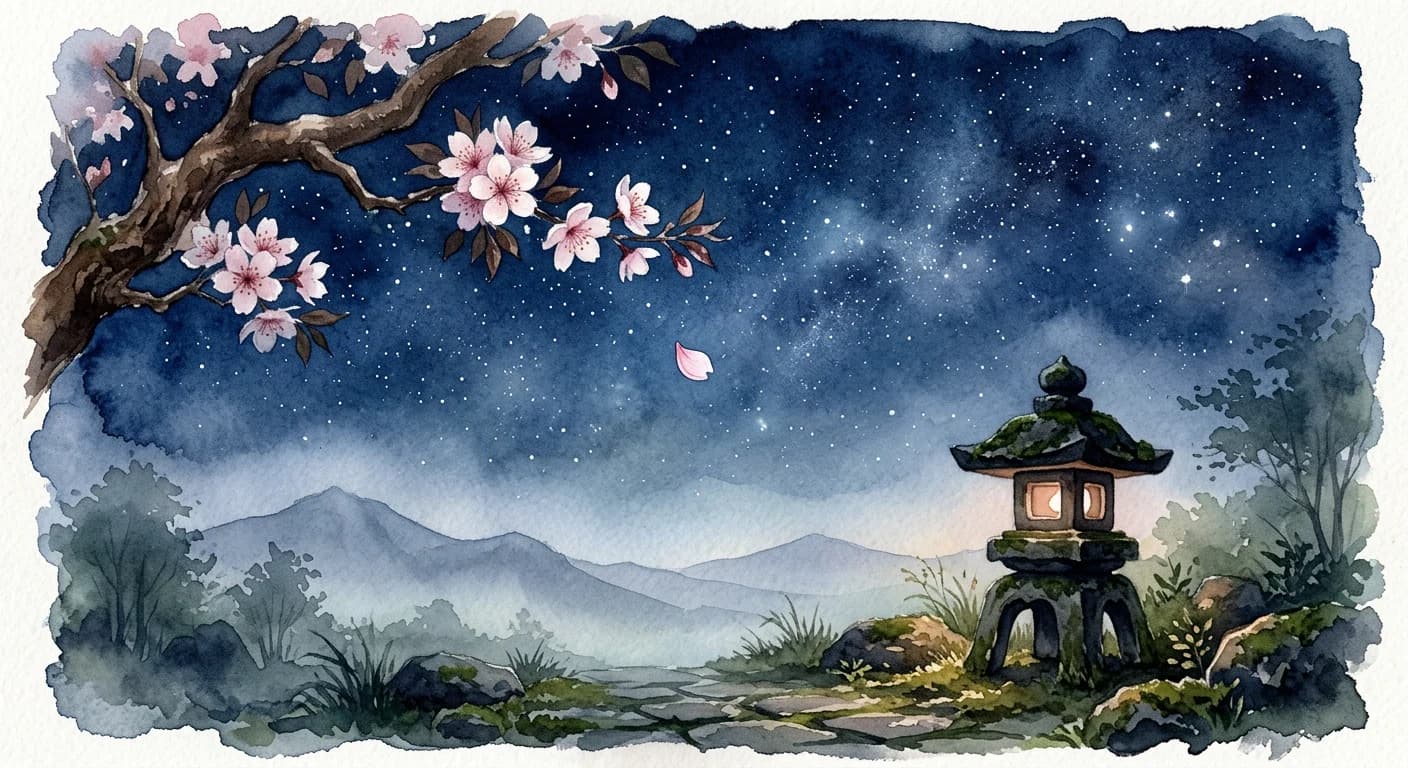
    Artistic representation of Kuebiko
    Japanese•
    🇯🇵Japan

    Kuebiko

    /KOO-eh-bee-koh/

    Meaning

    Kuebiko encapsulates the profound and often exhilarating sensation of intellectual humility that follows a new discovery. It's the moment when a freshly acquired piece of knowledge acts as a key, unlocking a vast, previously unseen expanse of ignorance, prompting a gentle tremor in one's understanding. This feeling isn't despair but a curious, almost amused recognition of the boundless nature of learning, igniting a deeper desire for exploration while simultaneously acknowledging the infinite journey ahead.

    Literal Translation

    Knowledge + to be shaken/tremble

    The Story Behind the Word

    The existence of a word like Kuebiko in Japanese culture is deeply rooted in its philosophical traditions, particularly Zen Buddhism and Confucianism, which emphasize continuous self-improvement, humility, and the understanding of one's place within a larger, often unfathomable, cosmos. The concept of 'shoshin' (beginner's mind) in Zen, where one approaches learning with an open, eager attitude free from preconceptions, resonates strongly with Kuebiko. It suggests that true wisdom isn't about accumulating facts, but about recognizing the limits of one's knowledge and embracing the journey of learning itself. This cultural valuing of humility and the lifelong pursuit of knowledge, rather than the attainment of absolute expertise, makes Kuebiko a natural and celebrated intellectual state.

    Experience It

    Quantum Physics Revelation

    After finally grasping the basics of quantum entanglement, Dr. Tanaka felt a wave of kuebiko. The understanding didn't bring clarity as much as it revealed an entirely new universe of questions about reality, making her previous knowledge feel like a mere speck in an infinite cosmos of unknowns.

    Ancient Pottery Discovery

    A young archaeologist, Maya, unearthed a unique shard of pottery, finally identifying its obscure tribal origin. Yet, looking at the fragment, she was struck by kuebiko, realizing how little she truly knew about the daily lives, beliefs, and broader civilization of its creators.

    The Deeper Meaning

    Kuebiko reflects a profound philosophical acceptance of human intellectual limitations and the infinite nature of reality. It's a testament to the idea that true wisdom lies not in knowing everything, but in understanding how much there is to learn. This perspective encourages continuous inquiry, intellectual humility, and a lifelong engagement with the mysteries of existence, fostering growth over certainty.

    Did You Know?

    While 'kuebiko' describes a feeling, 'Kuebiko' is also the name of a Shinto god of knowledge and agriculture, often depicted as a scarecrow, who knows everything but cannot move.

    How It's Used

    Used to describe the intellectual state after gaining new knowledge that reveals the vastness of one's ignorance.

    Emotions
    gratitude,wonder
    Contexts
    education,solitude,work
    🇯🇵Japan

    by Dr. Kenji Tanaka·Written Mar 14, 2026·Updated Apr 3, 2026

    Related Words

    Explore more
    Wabi-sabiJapanese

    Wabi-sabi is the profound appreciation for the ephemeral, the imperfect, and the incomplete aspects of existence. It is about discovering beauty in the subtle textures of age, the unique character of flaws, and the gentle decay that marks the passage of time. This philosophy encourages a quiet acceptance of impermanence and a mindful connection to the natural world, finding elegance in simplicity and authenticity.

    IkigaiJapanese

    Ikigai is more than just a reason to get out of bed; it's a deeply personal and evolving sense of purpose that brings genuine fulfillment and joy to one's life. It represents the sweet spot where your passions, talents, needs of the world, and what you can be paid for beautifully converge. Discovering your ikigai often leads to a life lived with intentionality, resilience, and a profound connection to one's contributions. It's the intrinsic motivation that fuels a meaningful existence, regardless of external circumstances.

    NunchiKorean

    Nunchi is the sophisticated, almost telepathic, ability to instantly grasp the unspoken dynamics of any social situation, anticipating others' thoughts and feelings, and then responding with impeccable grace and timing. It's an acute form of social intuition, allowing one to navigate complex interpersonal landscapes by reading subtle cues like body language, tone, and context. Possessing good nunchi means effortlessly understanding the underlying emotional currents and adjusting one's behavior to maintain harmony and effectiveness, often without a single word exchanged.

    JugaadHindi

    Jugaad is more than just a quick fix; it embodies the spirit of resourceful, ingenious improvisation in the face of scarcity or systemic challenges. It's the art of bending rules, repurposing materials, and thinking outside the box to achieve a desired outcome, often with limited financial or technological resources. This approach celebrates clever workarounds and innovative adaptations, turning constraints into catalysts for creative problem-solving. It's about making do and making something work, brilliantly.