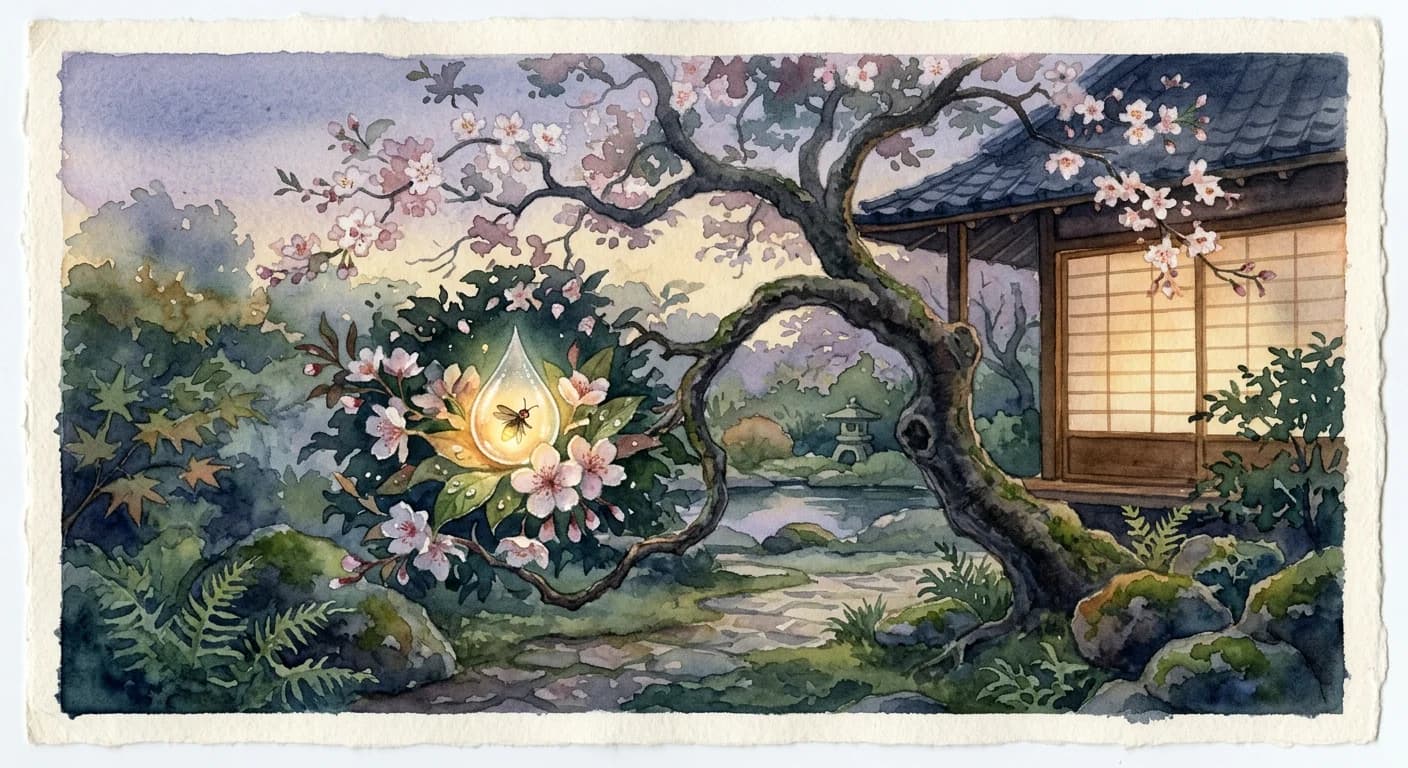
Mamoritai
/mah-moh-ree-tie/
Meaning
Mamoritai articulates a heartfelt, proactive yearning to shield and nurture something or someone invaluable. It transcends mere desire for safety, embodying a profound emotional bond and an unwavering dedication to ensuring well-being. This powerful sentiment often ignites upon perceiving vulnerability or threat, sparking an intrinsic drive to defend and preserve. It encapsulates a deep sense of responsibility, affection, and recognition of the protected entity's immense importance.
Literal Translation
I want to protect.
The Story Behind the Word
The concept embedded in "mamoritai" is deeply rooted in Japanese cultural values emphasizing harmony (wa), responsibility (giri), and the interconnectedness of individuals within a group or family unit. This word reflects a societal inclination towards communal care and a strong sense of duty towards those one cherishes, be it family, community, or even cultural heritage. It highlights a proactive, rather than reactive, approach to protection—a desire to prevent harm before it occurs. This resonates with the aesthetic appreciation for fragility and impermanence (mono no aware), where the beauty of something vulnerable intensifies the urge to protect it.
Experience It
Protecting a Fragile Dream
A young artist, seeing the nascent spark of creativity in their shy protégé, feels an intense 'mamoritai.' They dedicate themselves to providing a supportive environment, shielding the student from harsh criticism and self-doubt, so their talent can flourish unhindered.
Safeguarding Ancient Traditions
An elderly craftsman, observing the dwindling interest in traditional pottery, feels a powerful 'mamoritai' for his art form. He commits to teaching apprentices, sharing his knowledge tirelessly, and advocating for the preservation of the ancient techniques, ensuring they are not lost to time.
The Deeper Meaning
The word "mamoritai" reveals a worldview where active care and responsibility are paramount. It suggests that true affection isn't passive but manifests as a tangible commitment to safeguard what is precious. It underscores the Japanese philosophical appreciation for the transient and vulnerable, where the very impermanence of something intensifies the desire to protect its existence and essence.
Did You Know?
This phrase is so evocative that it's a common title for Japanese songs and anime episodes, often signaling a pivotal moment of emotional commitment or heroic resolve.
How It's Used
Used when someone feels a strong urge to protect a person, an object, an idea, or even a memory that they deeply care about.