Niksen
/NIK-sen/
Meaning
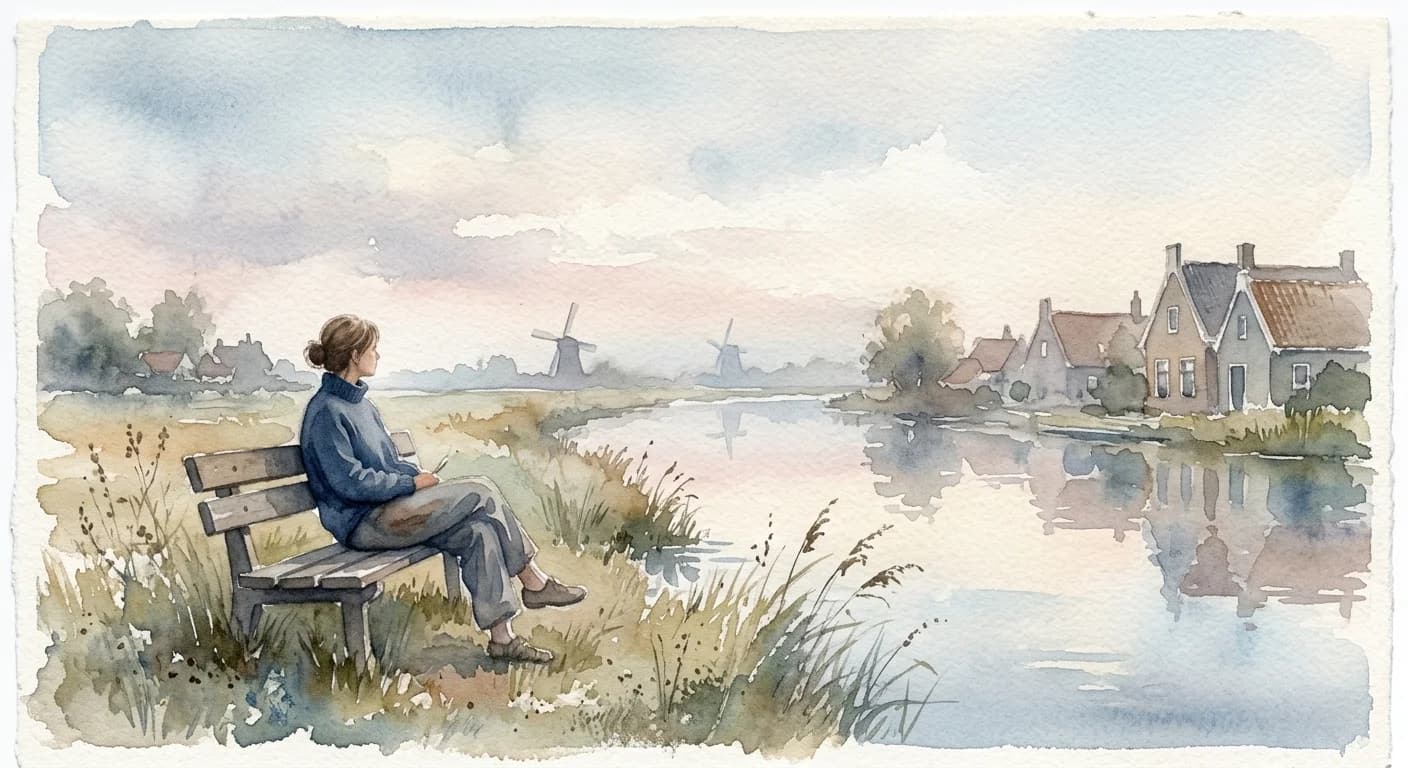
Niksen is the quintessential Dutch art of consciously engaging in purposeless activity, a deliberate disengagement from the relentless pursuit of productivity. It's not about passive laziness, but rather an active choice to let the mind wander, to simply be present without agenda or task. This practice offers a crucial mental respite, fostering creative thought, alleviating stress, and cultivating a profound sense of well-being by embracing moments of unburdened existence in a perpetually busy world.
Literal Translation
To do nothing
The Story Behind the Word
The existence of 'niksen' in Dutch culture is a fascinating counterpoint to the stereotype of Dutch efficiency and industriousness. While the Netherlands is known for its pragmatic, hard-working ethos, 'niksen' represents an inherent understanding that sustained productivity requires deliberate periods of non-productivity. It reflects a cultural value placed on balance and mental health, recognizing that constant stimulation and goal-orientation can be detrimental. This concept may have roots in the Dutch relationship with their often flat, open landscapes, encouraging moments of quiet contemplation, or perhaps as a necessary antidote to the intense demands of building and maintaining a nation below sea level. It reveals a worldview that values introspective downtime as much as outward achievement, suggesting that true well-being encompasses both doing and simply being.
Experience It
Window Gazing
After a long day of meetings, Pieter collapses onto his sofa. Instead of checking emails or social media, he simply stares out the window, watching the rain fall, letting his thoughts drift aimlessly. He's not thinking about anything specific, just allowing his mind to unwind.
Park Bench Pause
Eliza takes a break from her bike ride, finding a bench in the park. She doesn't pull out her phone or a book; she just sits, observing the ducks on the pond and the leaves rustling in the trees. It’s a moment of pure, unadulterated niksen.
The Deeper Meaning
Niksen embodies a profound philosophical insight: that human value and well-being are not solely tied to output or achievement. It challenges the pervasive modern belief that every moment must be productive, instead asserting the intrinsic worth of rest, contemplation, and the freedom of an undirected mind. This practice subtly critiques hyper-capitalist ideals, suggesting that true flourishing requires intentional pauses and an embrace of being over doing.
Did You Know?
Despite the global trend towards mindfulness and meditation, 'niksen' specifically champions 'doing nothing' as a valid and beneficial activity in itself, rather than a means to achieve a specific mental state.
How It's Used
Niksen is used to describe the act of doing nothing, whether it's staring out a window, sitting idly, or engaging in a pointless hobby. It's often embraced during downtime, weekends, or vacations as a way to disconnect from the pressures of daily life and recharge.