U.
HomeRegionsLanguagesEmotionsCollections
Find Your Word

“The limits of my language mean the limits of my world.”

— Ludwig Wittgenstein, Philosopher

Untranslatable

A curated collection of the world's most beautiful expressions—words that remind us language is humanity's greatest invention.

  • Home
  • Collections
  • Regions
  • Countries
  • Emotions
  • Tags
  • Contexts
  • Finder
  • Europe
  • Asia
  • Americas
  • Africa
  • Middle East
  • About
  • Contact
  • Privacy Policy
  • Terms of Service

2026 © Untranslatable. All rights reserved.

    /
    /
    1. Home
    2. /
    3. Europe
    4. /
    5. Sturmfrei
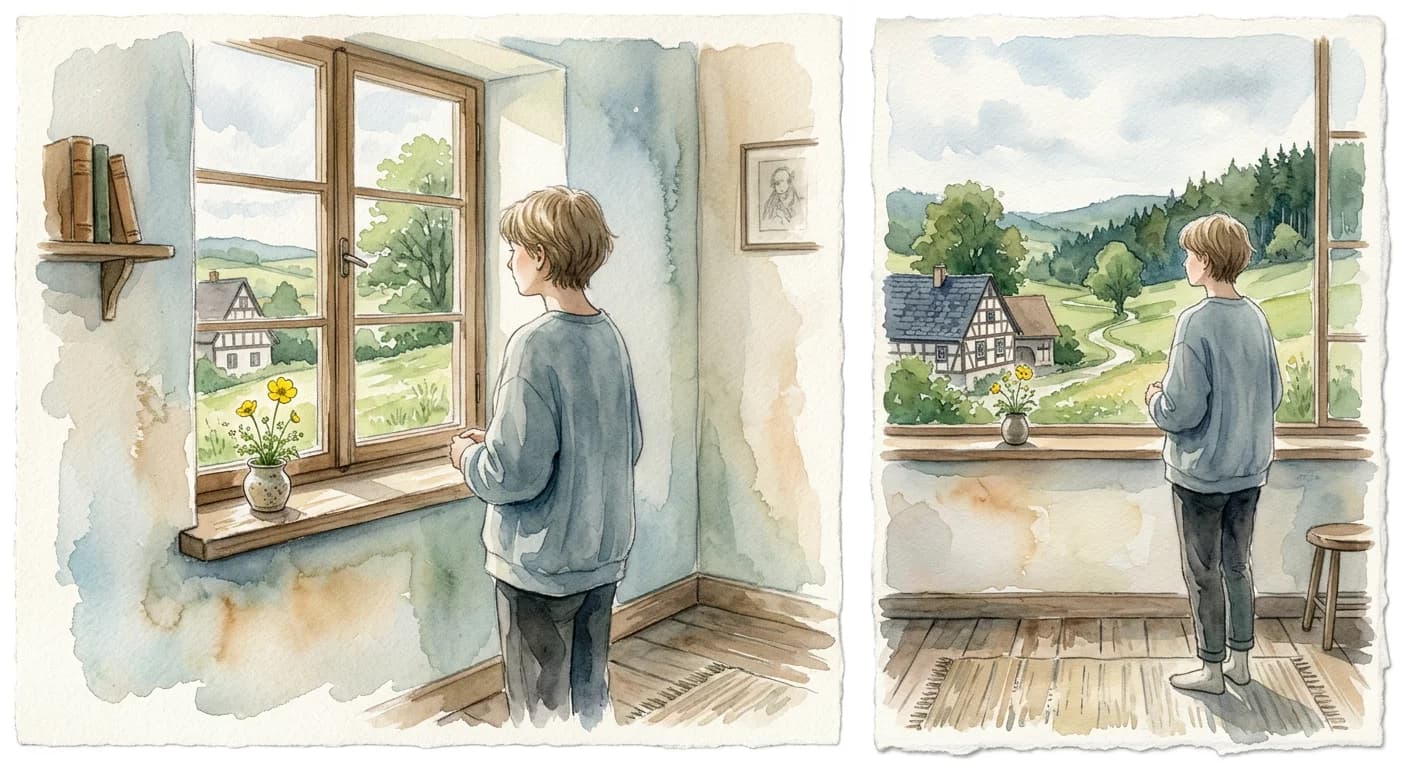
    Artistic representation of Sturmfrei
    German•
    🇦🇹Austria🇩🇪Germany🇨🇭Switzerland

    Sturmfrei

    /STURM-fry/

    Meaning

    Sturmfrei encapsulates the exhilarating liberation of having a dwelling entirely to oneself, unburdened by parental gaze or roommate presence. It's a cherished window of unadulterated freedom, transforming a private space into a personal kingdom where one can indulge in every whim, from blaring music and impromptu dance parties to savoring profound silence and uninterrupted solitude. This unique German concept celebrates the rare opportunity for unrestrained self-expression and the delicious thrill of temporary autonomy within one's own four walls.

    Literal Translation

    storm-free

    The Story Behind the Word

    The existence of 'Sturmfrei' in German culture speaks volumes about the value placed on personal space, order, and the structured upbringing of children. In a society often characterized by rules and a clear distinction between public and private spheres, 'Sturmfrei' emerges as a designated, albeit temporary, release valve. It acknowledges the natural human desire for independence, especially during adolescence, and provides a culturally sanctioned space for young people to experiment with self-governance. It reflects a societal understanding that while structure is important, so too is the occasional, unsupervised opportunity for personal freedom and self-discovery, fostering a sense of responsibility and autonomy within defined limits. This word highlights a cultural appreciation for both order and the occasional, albeit temporary, break from it.

    Experience It

    Teenage Freedom

    Lena's parents finally left for their weekend trip, and a triumphant grin spread across her face. 'Sturmfrei!' she declared, immediately cranking up her favorite pop anthems, knowing she could dance wildly in the living room without a single judgmental glance.

    Adult Solitude

    After her flatmates departed for their summer holidays, Anna reveled in the 'Sturmfrei' silence. She spent the evening curled up with a book, enjoying the rare luxury of complete quiet and the freedom to leave her dishes until morning without a second thought.

    The Deeper Meaning

    The concept of 'Sturmfrei' subtly reveals a German cultural understanding of freedom not as an absolute, but as a precious, often temporary, state. It acknowledges the inherent tension between societal norms and individual desire, providing a culturally recognized space for the latter. It underscores the value of autonomy, even if fleeting, and the importance of personal space as a crucible for self-discovery and independent thought within a generally ordered society.

    Did You Know?

    While often associated with teenagers, 'Sturmfrei' can also be used by adults enjoying the rare solitude of an empty home, proving that the desire for unsupervised freedom never truly fades!

    How It's Used

    Typically used by teenagers and young adults when their parents or guardians are out of town, leaving them in charge of the house and free to do as they please. It signifies a period of unsupervised freedom and personal enjoyment.

    Emotions
    comfort,joy,peace
    Contexts
    family,relaxation,solitude
    🇦🇹Austria🇩🇪Germany🇨🇭Switzerland

    by Dr. Kenji Tanaka·Written Mar 14, 2026·Updated Apr 3, 2026

    Related Words

    Explore more
    HyggeDanish

    Hygge is more than mere coziness; it's a holistic embrace of comfort, warmth, and belonging that nourishes the soul. It describes the intentional creation of an intimate atmosphere where simple pleasures, genuine connection, and mindful presence converge, fostering a profound sense of contentment and well-being. It's about finding joy and peace in the small, everyday moments, often shared with loved ones.

    SaudadePortuguese

    Saudade encapsulates a profound, melancholic longing for something or someone cherished that is absent, often with the bittersweet knowledge that it may never return. It's a deep emotional state tinged with nostalgia, evoking a sense of loss for past experiences, places, or people, yet also holding a tender appreciation for the beauty of what once was. This yearning is not merely sadness, but a complex tapestry of desire, memory, and a poignant acceptance of absence, holding the beloved in a warm, persistent embrace within the heart.

    GezelligDutch

    Gezellig encapsulates a profound sense of warmth, belonging, and convivial comfort, extending beyond mere coziness to embrace the social and emotional atmosphere. It's the feeling of being truly at ease, surrounded by good company, laughter, and a shared sense of contentment. This untranslatable term describes not just a physical space, but a holistic experience where time seems to slow down, fostering genuine connection and a deep sense of well-being.

    Dolce far nienteItalian

    Dolce far niente captures the profound joy and effortless pleasure derived from simply existing without obligation or purpose. It's the art of savoring moments of pure, unadulterated idleness – lying in the sun, watching the clouds drift, or enjoying a leisurely coffee – not as a break from work, but as a valuable state in itself. This 'sweetness of doing nothing' is a conscious embrace of stillness and contentment, allowing the soul to breathe and the senses to fully engage with the present.