U.
HomeRegionsLanguagesEmotionsCollections
Find Your Word

“The limits of my language mean the limits of my world.”

— Ludwig Wittgenstein, Philosopher

Untranslatable

A curated collection of the world's most beautiful expressions—words that remind us language is humanity's greatest invention.

  • Home
  • Collections
  • Regions
  • Countries
  • Emotions
  • Tags
  • Contexts
  • Finder
  • Europe
  • Asia
  • Americas
  • Africa
  • Middle East
  • About
  • Contact
  • Privacy Policy
  • Terms of Service

2026 © Untranslatable. All rights reserved.

    /
    /
    1. Home
    2. /
    3. Asia
    4. /
    5. Tokimeku
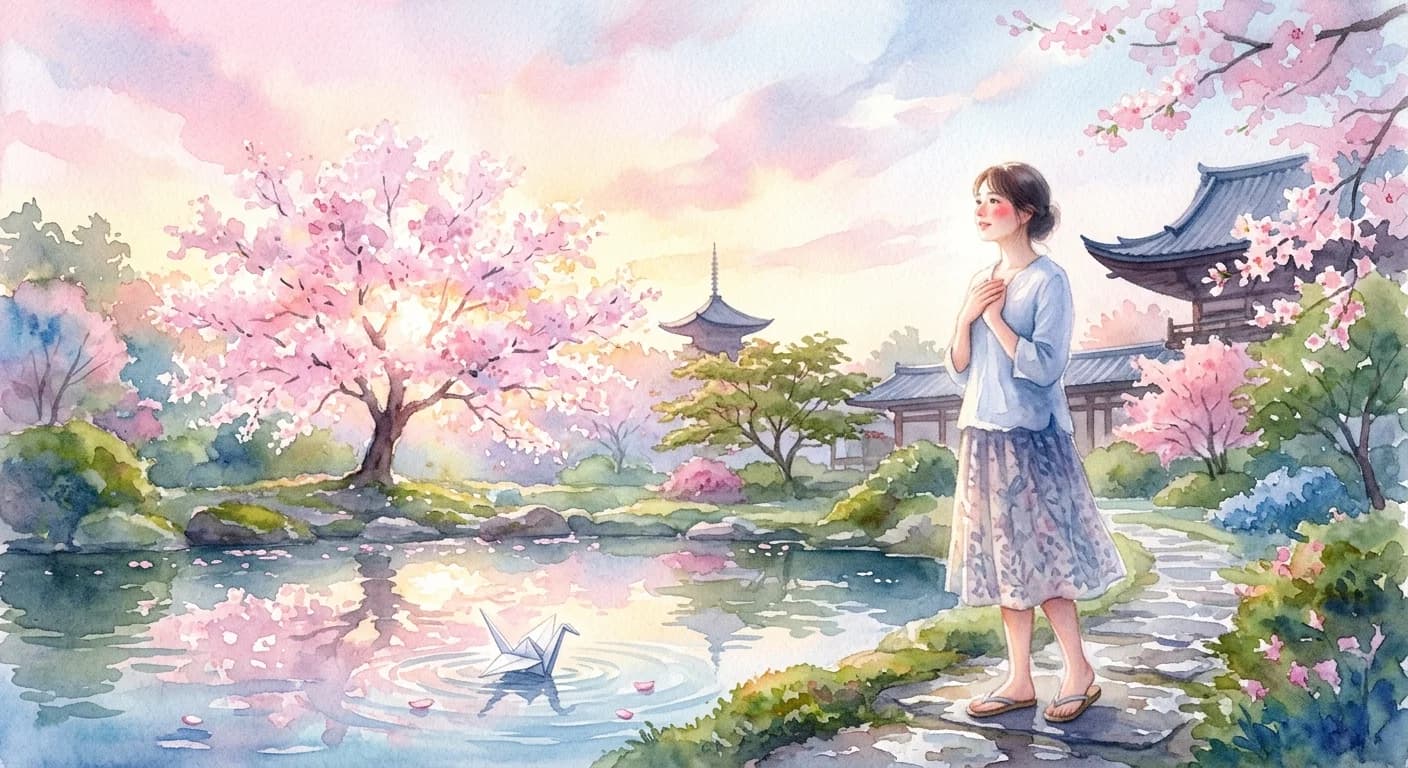
    Artistic representation of Tokimeku
    Japanese•
    🇯🇵Japan

    Tokimeku

    /TOH-kee-meh-koo/

    Meaning

    Tokimeku encapsulates that exhilarating, heart-pounding sensation akin to butterflies, but with a deeper, more profound emotional resonance. It's the physical manifestation of inner excitement, a visceral throb in one's chest that signals the awakening of joy, anticipation, or a nascent attraction. This feeling is not merely fleeting; it’s a moment where the soul is stirred, reflecting a deep connection to beauty, possibility, or another person. It suggests a delightful flutter that prefaces something wonderful and deeply felt.

    Literal Translation

    to beat fast (of the heart)

    The Story Behind the Word

    The existence and prominence of 'tokimeku' in Japanese vocabulary reflect a culture that values sensitivity, aesthetic appreciation, and the subtle nuances of human emotion. Japanese aesthetics often emphasize the ephemeral, the delicate, and the profound impact of small details, and 'tokimeku' captures this perfectly. It suggests an emotional landscape where internal sensations are keenly observed and given linguistic expression, highlighting a connection between the physical body and emotional states. This word also ties into the Japanese appreciation for 'mono no aware' (the pathos of things), as 'tokimeku' can arise from a poignant encounter with beauty or a fleeting, precious moment, underscoring a deep engagement with the present and its emotional impact. It speaks to a cultural predisposition to acknowledge and cherish these inner stirrings as significant indicators of life's richness.

    Experience It

    First Date Delight

    As Kenji saw Akari approach the cafe, a gentle smile gracing her lips, his heart began to tokimeku. The anticipation of their evening together made his chest flutter with a delightful warmth.

    Artistic Revelation

    Standing before the ancient Hokusai print, the intricate details and vibrant colors made her heart tokimeku. It was a profound moment of connection to a beauty that transcended time, stirring her deeply.

    The Deeper Meaning

    Tokimeku reveals a philosophical emphasis on the inner, subjective experience as a guide to value and meaning. It suggests that true joy and connection are often heralded by a physical, almost involuntary, emotional response. This underscores a worldview where intuition and felt experience are valid and important indicators of what enriches life, whether it's a person, an object, or an anticipated event. It encourages a mindful awareness of these internal signals as a compass for a fulfilling existence.

    Did You Know?

    The KonMari method of tidying up, popularized by Marie Kondo, uses 'tokimeku' (translated as 'spark joy') as its core principle for deciding what to keep, making this emotional response a practical guide for daily life.

    How It's Used

    Typically used to describe the feeling one gets when encountering something that sparks intense interest, joy, or romantic attraction. It can be used in contexts ranging from meeting a crush to discovering a beautiful piece of art or anticipating a cherished event.

    Emotions
    hope,joy,warmth,wonder
    Contexts
    celebration,greeting,romance,travel
    🇯🇵Japan

    by Dr. Kenji Tanaka·Written Mar 14, 2026·Updated Apr 3, 2026

    Related Words

    Explore more
    GezelligDutch

    Gezellig encapsulates a profound sense of warmth, belonging, and convivial comfort, extending beyond mere coziness to embrace the social and emotional atmosphere. It's the feeling of being truly at ease, surrounded by good company, laughter, and a shared sense of contentment. This untranslatable term describes not just a physical space, but a holistic experience where time seems to slow down, fostering genuine connection and a deep sense of well-being.

    Wabi-sabiJapanese

    Wabi-sabi is the profound appreciation for the ephemeral, the imperfect, and the incomplete aspects of existence. It is about discovering beauty in the subtle textures of age, the unique character of flaws, and the gentle decay that marks the passage of time. This philosophy encourages a quiet acceptance of impermanence and a mindful connection to the natural world, finding elegance in simplicity and authenticity.

    IkigaiJapanese

    Ikigai is more than just a reason to get out of bed; it's a deeply personal and evolving sense of purpose that brings genuine fulfillment and joy to one's life. It represents the sweet spot where your passions, talents, needs of the world, and what you can be paid for beautifully converge. Discovering your ikigai often leads to a life lived with intentionality, resilience, and a profound connection to one's contributions. It's the intrinsic motivation that fuels a meaningful existence, regardless of external circumstances.

    NunchiKorean

    Nunchi is the sophisticated, almost telepathic, ability to instantly grasp the unspoken dynamics of any social situation, anticipating others' thoughts and feelings, and then responding with impeccable grace and timing. It's an acute form of social intuition, allowing one to navigate complex interpersonal landscapes by reading subtle cues like body language, tone, and context. Possessing good nunchi means effortlessly understanding the underlying emotional currents and adjusting one's behavior to maintain harmony and effectiveness, often without a single word exchanged.