U.
HomeRegionsLanguagesEmotionsCollections
Find Your Word

“The limits of my language mean the limits of my world.”

— Ludwig Wittgenstein, Philosopher

Untranslatable

A curated collection of the world's most beautiful expressions—words that remind us language is humanity's greatest invention.

  • Home
  • Collections
  • Regions
  • Countries
  • Emotions
  • Tags
  • Contexts
  • Finder
  • Europe
  • Asia
  • Americas
  • Africa
  • Middle East
  • About
  • Contact
  • Privacy Policy
  • Terms of Service

2026 © Untranslatable. All rights reserved.

    /
    /
    1. Home
    2. /
    3. Asia
    4. /
    5. Won
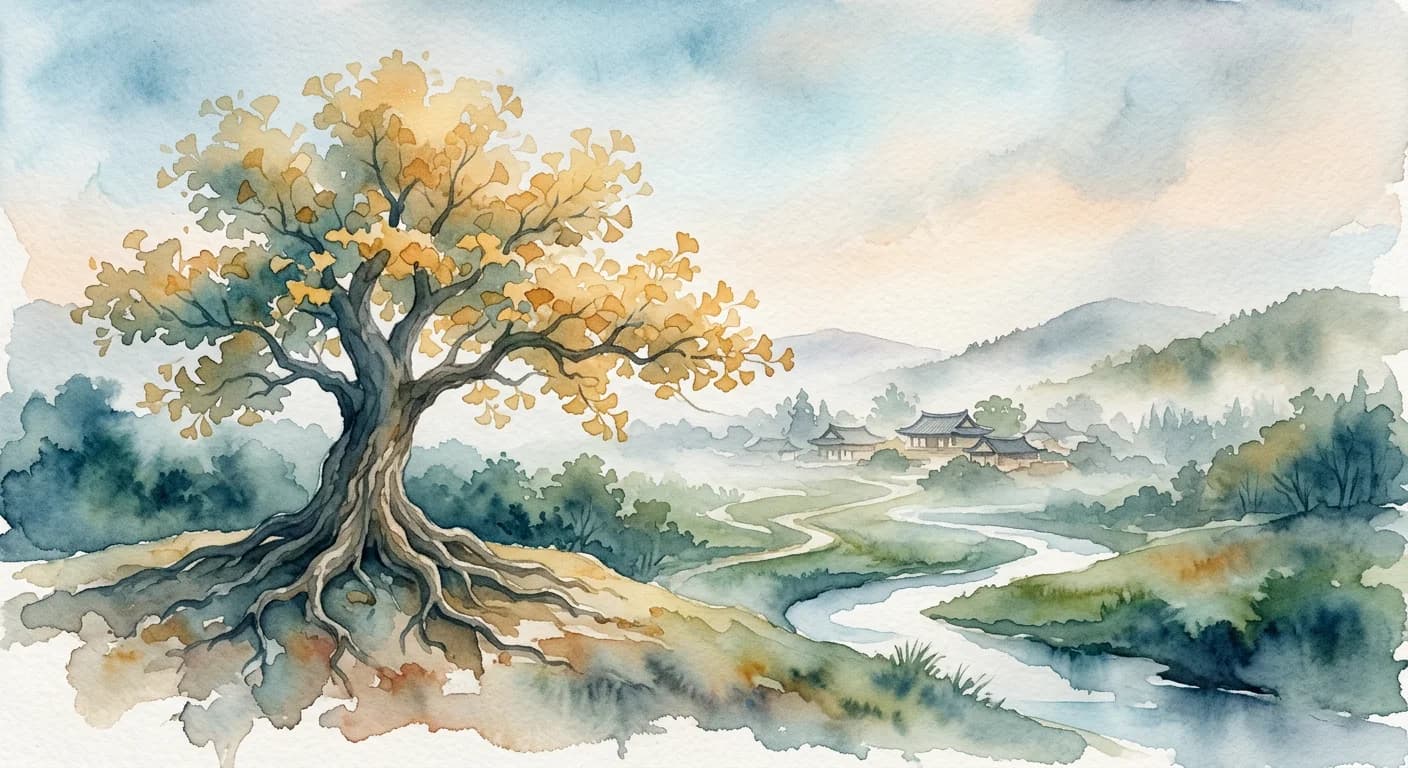
    Artistic representation of Won
    Korean•
    🇰🇷South Korea

    Won

    /WOHN/

    Meaning

    Beyond its monetary designation, 'won' (원) embodies the profound concept of 'origin' or 'root' in Korean culture. It signifies the fundamental beginning from which all things emerge, the primal source, or the foundational essence of existence. This word evokes a deep sense of connection to one's ancestral lineage, historical beginnings, and the very core of identity, emphasizing a continuous thread from the past to the present. It's a term that speaks to the inherent interconnectedness of life and history.

    Literal Translation

    Origin, root, source (in addition to currency)

    The Story Behind the Word

    The dual meaning of 'won'—both currency and origin—is deeply woven into the fabric of Korean thought, reflecting a culture that profoundly values heritage and foundational principles. Historically, Korea's strong emphasis on family lineage (족보, jokbo) and national identity (민족, minjok) underscores this concept. The idea of 'won' as a root extends to philosophical discussions about the universe's beginning (우주원리, uju wonri) and the origin of human nature (인간 본원, ingan bonwon). This perspective reveals a world view where understanding one's roots, whether personal, societal, or cosmic, is crucial for self-understanding and establishing a stable identity. It suggests that true value, much like the currency, stems from a recognized and respected origin.

    Experience It

    Tracing Family Won

    A young Korean-American visits her ancestral village for the first time. As she walks through the old homes and meets distant relatives, she feels a profound sense of 'won,' understanding the deep roots that connect her to this land and its history, despite growing up thousands of miles away.

    Project's Creative Won

    During a brainstorming session for a new product, the team leader asks, 'What is the true 'won' of this idea?' He's not asking about cost, but rather the fundamental inspiration, the core problem it aims to solve, and the basic principle that will guide its development.

    The Deeper Meaning

    The concept of 'won' reveals a worldview where understanding and respecting origins are paramount for meaning and identity. It suggests that true essence, whether of a person, an idea, or a nation, is found in its fundamental beginnings. This philosophical outlook encourages introspection into one's roots and a continuous search for the foundational truths that underpin existence, fostering a sense of continuity and profound respect for heritage.

    Did You Know?

    The 'won' as currency was first introduced in 1902, replacing the 'yang.' Its current iteration was re-established after the Korean War, symbolically tying the nation's economic foundation to its enduring sense of origin.

    How It's Used

    Used to refer to the Korean currency, the Won (₩). It can also be used more abstractly to discuss origins, roots, or fundamental beginnings in philosophical or personal contexts.

    Emotions
    belonging,gratitude,nostalgia
    Contexts
    cultural identity,family,travel
    🇰🇷South Korea

    by Dr. Kenji Tanaka·Written Mar 14, 2026·Updated Apr 3, 2026

    Related Words

    Explore more
    SobremesaSpanish

    Sobremesa is the cherished, often extended period immediately following a meal, particularly lunch or dinner, where diners remain seated at the table to enjoy conversation, coffee, and digest not just the food, but the company itself. It’s a dedicated time for unhurried social bonding, storytelling, and shared laughter, transforming a simple meal into a profound communal experience. Far from just clearing the dishes, sobremesa is an integral part of Spanish social life, often lasting for hours.

    Wabi-sabiJapanese

    Wabi-sabi is the profound appreciation for the ephemeral, the imperfect, and the incomplete aspects of existence. It is about discovering beauty in the subtle textures of age, the unique character of flaws, and the gentle decay that marks the passage of time. This philosophy encourages a quiet acceptance of impermanence and a mindful connection to the natural world, finding elegance in simplicity and authenticity.

    IkigaiJapanese

    Ikigai is more than just a reason to get out of bed; it's a deeply personal and evolving sense of purpose that brings genuine fulfillment and joy to one's life. It represents the sweet spot where your passions, talents, needs of the world, and what you can be paid for beautifully converge. Discovering your ikigai often leads to a life lived with intentionality, resilience, and a profound connection to one's contributions. It's the intrinsic motivation that fuels a meaningful existence, regardless of external circumstances.

    NunchiKorean

    Nunchi is the sophisticated, almost telepathic, ability to instantly grasp the unspoken dynamics of any social situation, anticipating others' thoughts and feelings, and then responding with impeccable grace and timing. It's an acute form of social intuition, allowing one to navigate complex interpersonal landscapes by reading subtle cues like body language, tone, and context. Possessing good nunchi means effortlessly understanding the underlying emotional currents and adjusting one's behavior to maintain harmony and effectiveness, often without a single word exchanged.