U.
HomeRegionsLanguagesEmotionsCollections
Find Your Word

“The limits of my language mean the limits of my world.”

— Ludwig Wittgenstein, Philosopher

Untranslatable

A curated collection of the world's most beautiful expressions—words that remind us language is humanity's greatest invention.

  • Home
  • Collections
  • Regions
  • Countries
  • Emotions
  • Tags
  • Contexts
  • Finder
  • Europe
  • Asia
  • Americas
  • Africa
  • Middle East
  • About
  • Contact
  • Privacy Policy
  • Terms of Service

2026 © Untranslatable. All rights reserved.

    /
    /
    1. Home
    2. /
    3. Europe
    4. /
    5. Friluftsmenneske
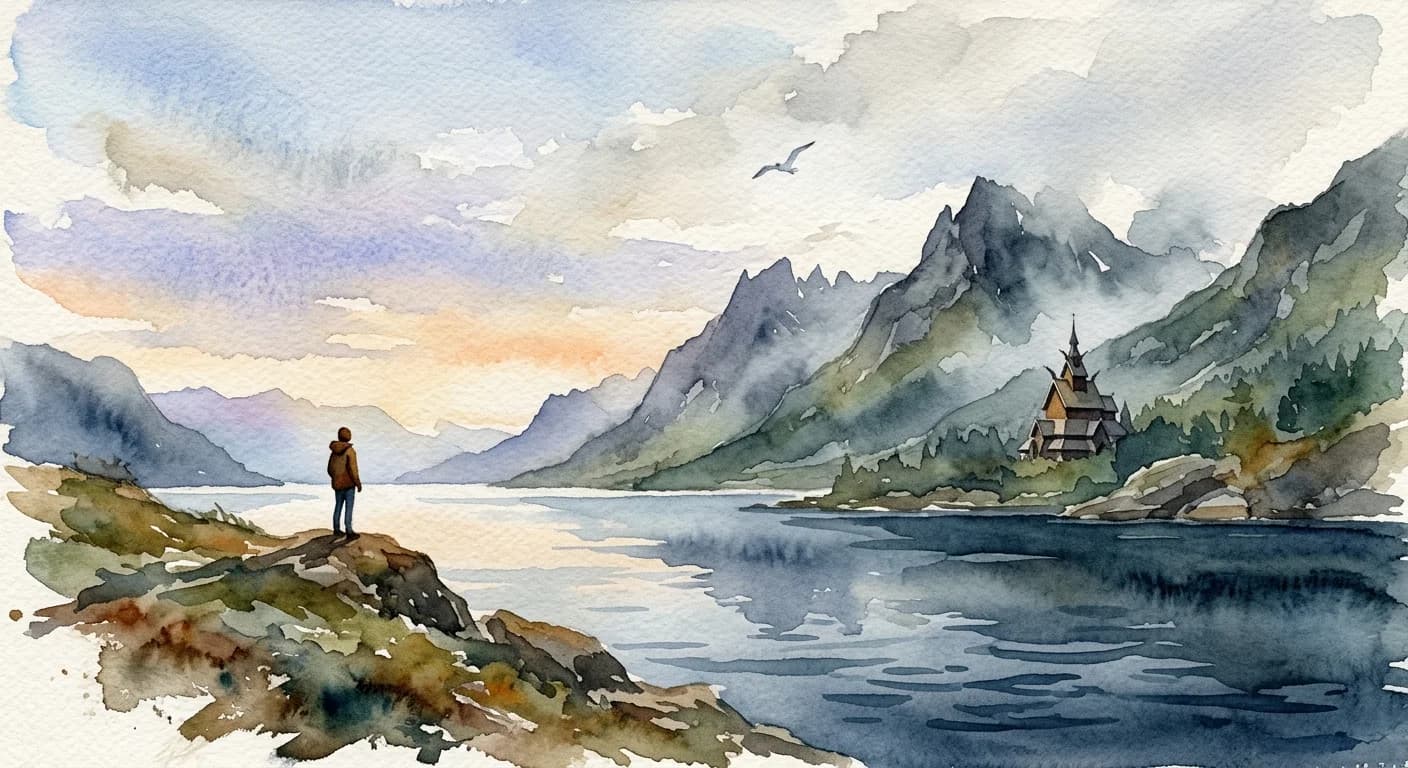
    Artistic representation of Friluftsmenneske
    Norwegian•
    🇳🇴Norway

    Friluftsmenneske

    /FREE-loofts-men-nuh-skuh/

    Meaning

    A "friluftsmenneske" is far more than just someone who enjoys nature; it's an individual whose very essence is interwoven with the outdoors. They actively seek, embrace, and thrive in natural environments, viewing forests, mountains, and coastal landscapes not just as backdrops, but as integral parts of their being and daily rhythm. This deep-seated affinity transcends mere recreation, representing a conscious lifestyle choice rooted in a profound respect for, and desire to live in harmony with, the wild elements, finding both peace and vigor in their embrace.

    Literal Translation

    Open-air person

    The Story Behind the Word

    The concept of "friluftsliv," or "open-air living," is deeply embedded in Norwegian identity, dating back centuries to a time when survival was directly tied to understanding and navigating the natural world. This historical connection evolved into a cultural philosophy, championed by figures like Fridtjof Nansen, that emphasizes the spiritual and physical benefits of outdoor activity. It's enshrined in laws like "allemannsretten" (the right to roam), which grants public access to uncultivated land, reinforcing the national belief that nature is a shared heritage. This word exists because for Norwegians, being a "friluftsmenneske" isn't just a hobby; it's a fundamental aspect of well-being, fostering resilience, self-reliance, and a deep, almost ancestral connection to the rugged landscape that defines their nation.

    Experience It

    Weekend Mountain Escape

    Despite a busy work week, Kari packed her rucksack on Friday, eager to spend the weekend hiking and camping alone in Jotunheimen. She feels a profound sense of peace and rejuvenation when she's high in the mountains, truly embodying the spirit of a friluftsmenneske.

    Daily Forest Stroll

    Even on a rainy Tuesday, Anders bundled up for his usual lunchtime walk through the local forest. He explained, "It's not just exercise; it's my daily dose of fresh air and perspective. I don't feel right if I haven't been outside." He is a true friluftsmenneske, integrating nature into his everyday life.

    The Deeper Meaning

    This word reveals a profound worldview where humans are not separate from nature, but an intrinsic part of it. It champions the idea that well-being, both mental and physical, is inextricably linked to immersion in the natural world. It's a philosophy of humility before the elements, fostering resilience, self-sufficiency, and a deep appreciation for the simple, unadulterated joys that the outdoors provide, challenging the notion of nature as merely a resource or a backdrop.

    Did You Know?

    Norway's "allemannsretten" (everyman's right) legally grants everyone the right to access and roam freely across uncultivated land, regardless of ownership, fostering the friluftsliv lifestyle.

    How It's Used

    Used to describe individuals who prioritize spending time outdoors and integrate nature into their daily lives.

    Emotions
    belonging,joy,peace,serenity
    Contexts
    nature,relaxation,seasons,travel
    🇳🇴Norway

    by Annelise Dubois·Written Mar 14, 2026·Updated Apr 3, 2026

    Related Words

    Explore more
    HyggeDanish

    Hygge is more than mere coziness; it's a holistic embrace of comfort, warmth, and belonging that nourishes the soul. It describes the intentional creation of an intimate atmosphere where simple pleasures, genuine connection, and mindful presence converge, fostering a profound sense of contentment and well-being. It's about finding joy and peace in the small, everyday moments, often shared with loved ones.

    SaudadePortuguese

    Saudade encapsulates a profound, melancholic longing for something or someone cherished that is absent, often with the bittersweet knowledge that it may never return. It's a deep emotional state tinged with nostalgia, evoking a sense of loss for past experiences, places, or people, yet also holding a tender appreciation for the beauty of what once was. This yearning is not merely sadness, but a complex tapestry of desire, memory, and a poignant acceptance of absence, holding the beloved in a warm, persistent embrace within the heart.

    GezelligDutch

    Gezellig encapsulates a profound sense of warmth, belonging, and convivial comfort, extending beyond mere coziness to embrace the social and emotional atmosphere. It's the feeling of being truly at ease, surrounded by good company, laughter, and a shared sense of contentment. This untranslatable term describes not just a physical space, but a holistic experience where time seems to slow down, fostering genuine connection and a deep sense of well-being.

    Dolce far nienteItalian

    Dolce far niente captures the profound joy and effortless pleasure derived from simply existing without obligation or purpose. It's the art of savoring moments of pure, unadulterated idleness – lying in the sun, watching the clouds drift, or enjoying a leisurely coffee – not as a break from work, but as a valuable state in itself. This 'sweetness of doing nothing' is a conscious embrace of stillness and contentment, allowing the soul to breathe and the senses to fully engage with the present.