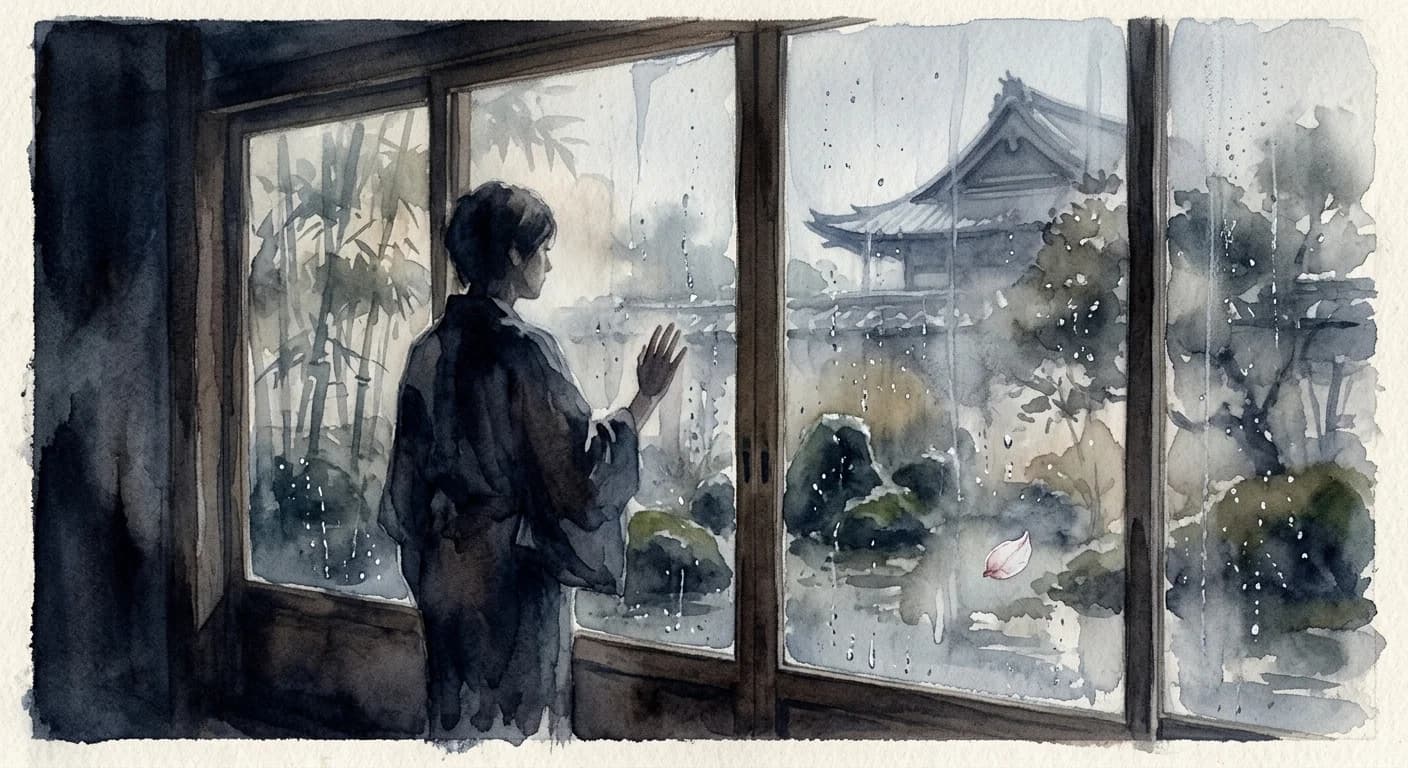
Irusu
/EE-roo-soo/
Meaning
Irusu describes the delicate art of intentionally feigning ignorance, often by pretending not to see or hear someone, to avoid an unwanted interaction or obligation. It's a subtle, non-confrontational maneuver born from a desire to maintain social harmony or personal space without causing direct offense. This passive disengagement allows one to sidestep an awkward encounter or a request they wish to decline, leaving the onus on the other party to either persist or gracefully withdraw without an explicit rejection.
Literal Translation
to overlook, to ignore
The Story Behind the Word
Irusu is deeply rooted in Japan's hierarchical society and its emphasis on 'wa' (harmony) and indirect communication. Direct refusal or confrontation is often considered impolite and disruptive to social order, leading to the development of numerous indirect strategies for navigating social interactions. Irusu allows individuals to maintain politeness while asserting their boundaries or avoiding uncomfortable situations. It reflects a cultural understanding that sometimes, acknowledging an unwanted presence or request can be more disruptive than subtly pretending it doesn't exist. This behavior is a testament to the value placed on not 'losing face' for either party and the intricate dance of unspoken communication in Japanese culture.
Experience It
Avoiding a Salesperson
Walking through a department store, a salesperson spots you and begins to approach. You quickly turn your head, focusing intently on a distant display, engaging in irusu to avoid their pitch without a direct 'no thank you'.
Unwanted Visitor
A neighbor unexpectedly rings your doorbell, and you're not in the mood for an impromptu chat. You peek through the peephole, then quietly retreat, practicing irusu by pretending no one is home to avoid an awkward conversation.
The Deeper Meaning
Irusu illuminates a worldview where social harmony often takes precedence over direct honesty. It reflects a nuanced understanding of social dynamics, suggesting that sometimes, a passive avoidance is the most respectful and least disruptive path. This highlights a philosophy where individual comfort and social grace are balanced through indirect means, recognizing the power of unspoken cues and the importance of preserving face for all parties involved.
Did You Know?
While often used to avoid people, 'irusu' can also refer to ignoring a persistent phone call or even an email, extending the concept of feigned absence to digital communication.
How It's Used
Used when someone is intentionally ignoring another person, often by pretending not to notice them to avoid interaction or confrontation.