Kipple
/KIP-uhl/
Meaning
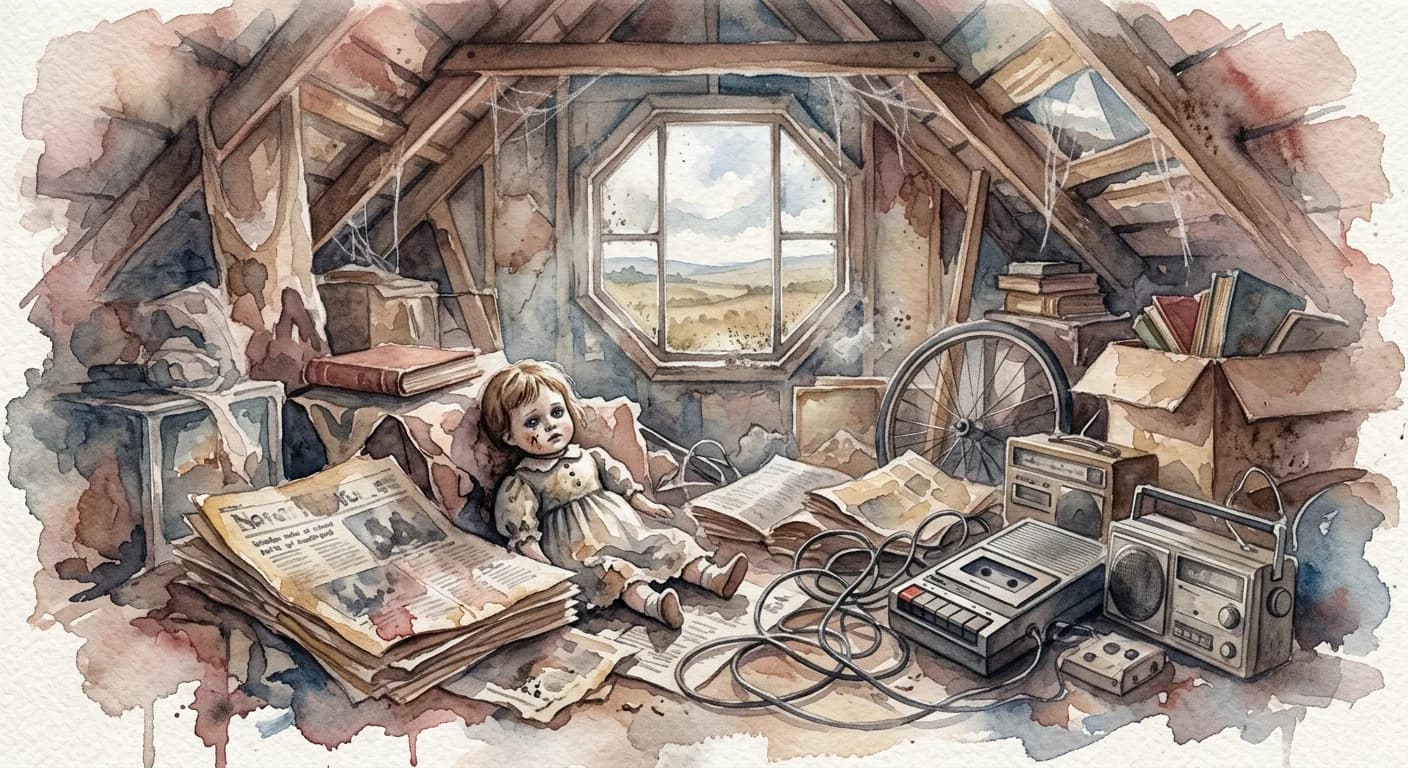
Kipple is the existential detritus of modern life, the overwhelming accumulation of utterly useless, often mass-produced junk that seems to reproduce spontaneously. It encompasses forgotten possessions, obsolete technology, and meaningless consumer items that collectively represent a creeping entropy, threatening to engulf human spaces and minds. More than mere clutter, kipple embodies a profound sense of dread associated with the triumph of soulless materiality over genuine value and purpose, a physical manifestation of societal decay.
Literal Translation
N/A (coined term)
The Story Behind the Word
The concept of "kipple" emerged from American science fiction, particularly the works of Philip K. Dick, reflecting a post-industrial, consumer-driven society grappling with planned obsolescence and rampant materialism. It speaks to a uniquely American anxiety about abundance turning into burden, where the pursuit of convenience and novelty leads to an inescapable tide of waste. This word exists because it crystallizes a pervasive cultural fear: that our creations will ultimately overwhelm and diminish us, revealing a profound skepticism about unchecked technological and economic progress. It highlights a worldview where the inanimate can exert a subtle, yet powerful, dominion over human agency.
Experience It
The Attic's Embrace
After decades, Sarah finally ventured into her grandmother's attic, expecting heirlooms. Instead, she found mountains of yellowed newspapers, broken appliances, and forgotten plastic toys – an overwhelming tide of kipple that seemed to breathe, threatening to collapse under its own meaningless weight.
Office Desk Entropy
Mark's desk at work was a testament to kipple: defunct chargers, promotional pens from forgotten conferences, and stacks of unread memos. Each morning, it felt as though new, pointless items had spontaneously generated, slowly eroding his workspace and his will to organize.
The Deeper Meaning
Kipple reveals a deeply pessimistic yet insightful philosophy regarding human interaction with the material world. It posits that unchecked consumption and the relentless production of disposable goods lead to an inevitable state of entropic decay, where the meaningless outpaces the meaningful. This worldview questions the very notion of progress when it results in a suffocating abundance that detracts from, rather well than enhances, human existence and purpose.
Did You Know?
Philip K. Dick's original concept of kipple suggested it "breeds" and expands when no one is looking, implying an almost sentient, entropic force in the universe.
How It's Used
The term is primarily used in science fiction literature, most famously by Philip K. Dick, to describe the detritus of consumer society.