U.
HomeRegionsLanguagesEmotionsCollections
Find Your Word

“The limits of my language mean the limits of my world.”

— Ludwig Wittgenstein, Philosopher

Untranslatable

A curated collection of the world's most beautiful expressions—words that remind us language is humanity's greatest invention.

  • Home
  • Collections
  • Regions
  • Countries
  • Emotions
  • Tags
  • Contexts
  • Finder
  • Europe
  • Asia
  • Americas
  • Africa
  • Middle East
  • About
  • Contact
  • Privacy Policy
  • Terms of Service

2026 © Untranslatable. All rights reserved.

    /
    /
    1. Home
    2. /
    3. Asia
    4. /
    5. Mehndi
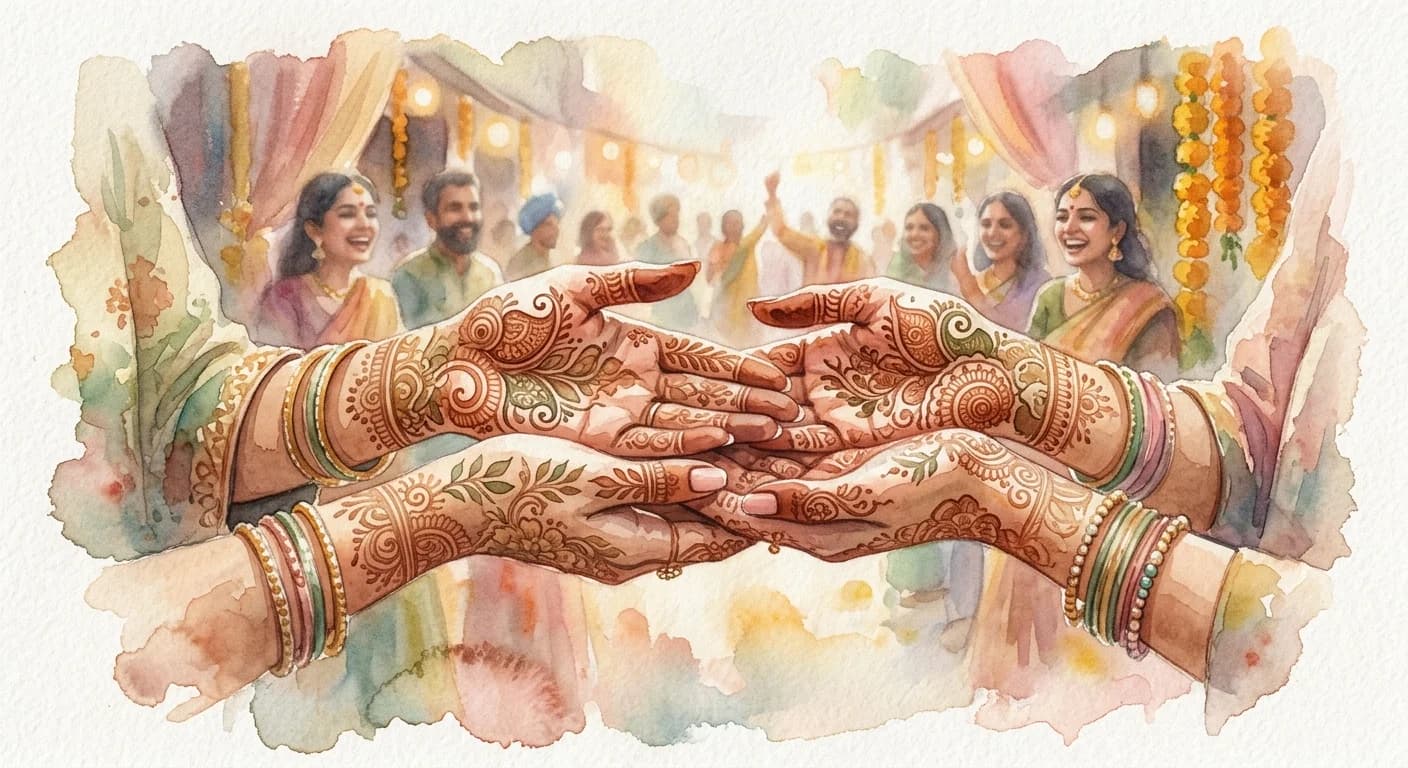
    Artistic representation of Mehndi
    Hindi•
    🇧🇩Bangladesh🇮🇳India🇳🇵Nepal🇵🇰Pakistan

    Mehndi

    /MEH-ndee/

    Meaning

    Mehndi transcends mere body art; it is a cherished ritual of adornment where intricate patterns are meticulously applied using a paste from the henna plant. This ephemeral beauty, gracing hands and feet, symbolizes blessings, fertility, and auspiciousness, particularly during life's most significant celebrations. The communal act of applying mehndi fosters deep bonds, infusing gatherings with joy, anticipation, and the rich, earthy fragrance of henna, embodying a profound connection to tradition and cultural identity.

    Literal Translation

    Henna

    The Story Behind the Word

    The word 'Mehndi' is deeply rooted in ancient South Asian and Middle Eastern traditions, with evidence of henna use dating back thousands of years for both cosmetic and medicinal purposes. Its persistence reveals a cultural reverence for beauty, symbolism, and the sacredness of life's transitions. The elaborate designs often incorporate motifs of nature, fertility, and protection, reflecting a worldview where humans are interconnected with the natural world and divine blessings. Mehndi's presence at weddings, festivals, and religious ceremonies underscores a societal emphasis on marking significant moments with beauty, ritual, and community, serving as a visual language of celebration and good fortune. It embodies the belief that preparing the body with art can invite positive energy and ward off evil.

    Experience It

    Bridal Mehndi Night

    The bride-to-be giggled as her aunts and cousins gathered around, their hands outstretched. The skilled mehndi artist meticulously drew delicate peacocks and floral vines on her palms, each stroke a prayer for a happy marriage. The air buzzed with excitement, music, and the sweet scent of henna, transforming the evening into a lively celebration of anticipation and sisterhood.

    Eid Festival Joy

    Little Aisha proudly showed off her freshly applied mehndi, a simple floral design adorning her tiny hands. Her grandmother had carefully applied it for Eid, explaining that the dark stain brought good luck and happiness for the festival. Aisha couldn't wait to compare her patterns with her friends, feeling a deep sense of connection to her culture and family.

    The Deeper Meaning

    Mehndi reflects a philosophy of embracing impermanence and finding beauty in the transient. The art, though fading, leaves a lasting impression of celebration and connection. It underscores the cultural value of ritual and adornment as a means of manifesting blessings and marking life's sacred journey, viewing the body as a canvas for cultural expression and spiritual intention.

    Did You Know?

    The darker the mehndi stain on a bride's hands, the more her mother-in-law will love her – or so the popular Indian superstition goes, making deep color highly desired!

    How It's Used

    Used to refer to the henna paste itself, the process of applying it, and the resulting body art. It's commonly applied for celebrations and auspicious occasions.

    Emotions
    belonging,gratitude,joy
    Contexts
    celebration,family,romance,seasons
    🇧🇩Bangladesh🇮🇳India🇳🇵Nepal🇵🇰Pakistan

    by Dr. Kenji Tanaka·Written Mar 14, 2026·Updated Apr 3, 2026

    Related Words

    Explore more
    SobremesaSpanish

    Sobremesa is the cherished, often extended period immediately following a meal, particularly lunch or dinner, where diners remain seated at the table to enjoy conversation, coffee, and digest not just the food, but the company itself. It’s a dedicated time for unhurried social bonding, storytelling, and shared laughter, transforming a simple meal into a profound communal experience. Far from just clearing the dishes, sobremesa is an integral part of Spanish social life, often lasting for hours.

    Wabi-sabiJapanese

    Wabi-sabi is the profound appreciation for the ephemeral, the imperfect, and the incomplete aspects of existence. It is about discovering beauty in the subtle textures of age, the unique character of flaws, and the gentle decay that marks the passage of time. This philosophy encourages a quiet acceptance of impermanence and a mindful connection to the natural world, finding elegance in simplicity and authenticity.

    IkigaiJapanese

    Ikigai is more than just a reason to get out of bed; it's a deeply personal and evolving sense of purpose that brings genuine fulfillment and joy to one's life. It represents the sweet spot where your passions, talents, needs of the world, and what you can be paid for beautifully converge. Discovering your ikigai often leads to a life lived with intentionality, resilience, and a profound connection to one's contributions. It's the intrinsic motivation that fuels a meaningful existence, regardless of external circumstances.

    NunchiKorean

    Nunchi is the sophisticated, almost telepathic, ability to instantly grasp the unspoken dynamics of any social situation, anticipating others' thoughts and feelings, and then responding with impeccable grace and timing. It's an acute form of social intuition, allowing one to navigate complex interpersonal landscapes by reading subtle cues like body language, tone, and context. Possessing good nunchi means effortlessly understanding the underlying emotional currents and adjusting one's behavior to maintain harmony and effectiveness, often without a single word exchanged.