Nazlanmak
/nahz-lahn-MAHK/
Meaning
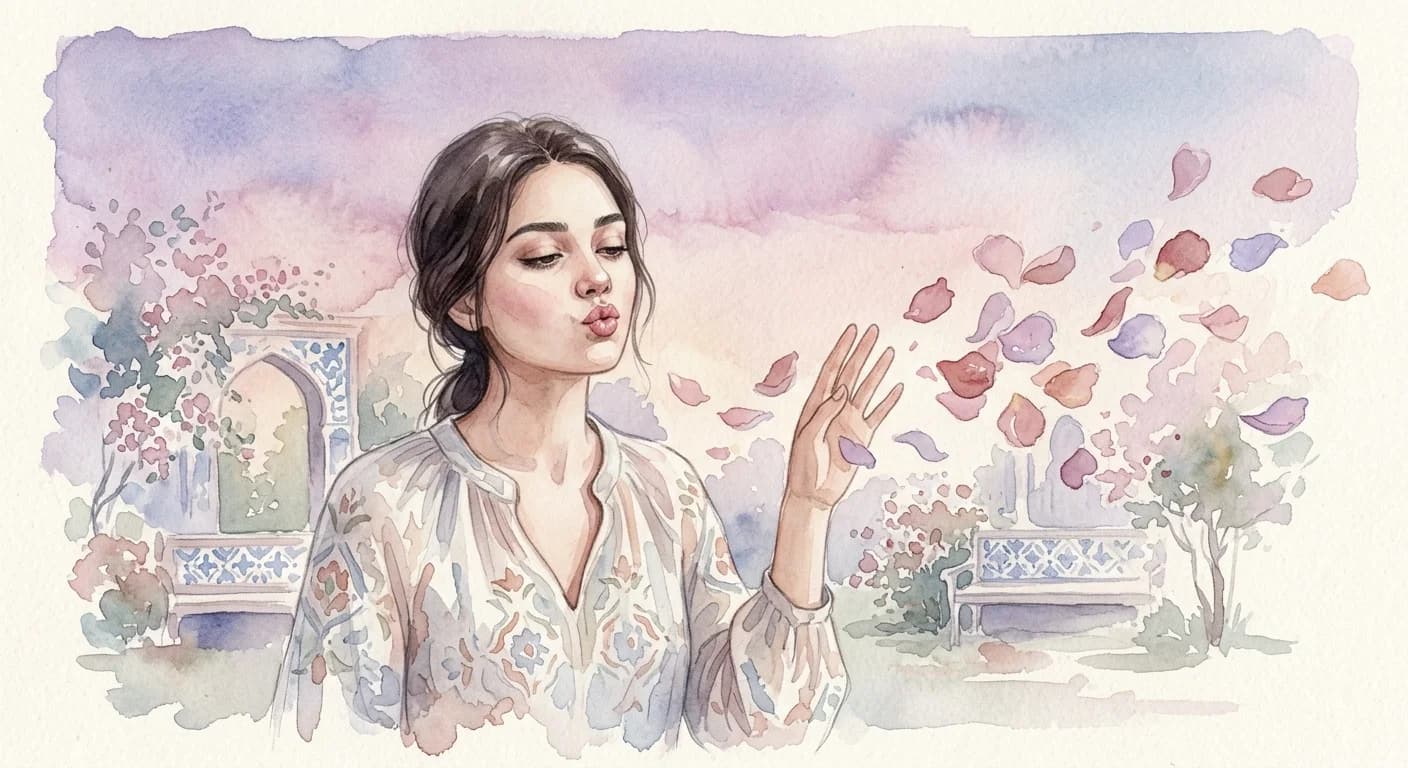
Nazlanmak describes the art of playfully feigning reluctance or resistance when showered with affection, attention, or an offer of help. It's a charming, often subtle, performance of coy disagreement, frequently accompanied by a slight pout, a gentle shrug, or a soft push away. This delightful dance is not a genuine rejection but rather a way to prolong the interaction, savor the doting attention, and subtly encourage more earnest pleas or displays of affection, embodying a cherished push-and-pull dynamic.
Literal Translation
To be coy, to feign reluctance
The Story Behind the Word
The existence of 'nazlanmak' in Turkish culture highlights a deep appreciation for the subtleties of human interaction, especially in relationships. It reflects a society where overt, direct expressions of desire or acceptance are sometimes softened by a layer of playful resistance, adding intrigue and depth. This concept is deeply rooted in a cultural understanding that value is often increased through a gentle chase, and that true affection is measured not just by initial offering, but by persistent, loving pursuit. It speaks to a worldview where emotional expression is nuanced, and where a little 'performance' can enhance connection rather than diminish it, fostering a sense of warmth and intimacy.
Experience It
Grandma's Offering
Grandma insists on piling a third helping of baklava onto her grandchild's plate. The grandchild, already full, gently pushes the plate away with a soft 'Yok, yok, yettim anneanne' (No, no, I'm full, grandma), but a faint smile plays on their lips, knowing grandma will insist again, and secretly wanting that extra piece.
First Date Charm
On a first date, he offers to carry her heavy bag. She playfully pulls it closer, saying 'Oh, you don't have to!' with a twinkle in her eye. He insists with a smile, and she eventually, and charmingly, concedes, enjoying the gesture and his persistence.
The Deeper Meaning
Nazlanmak reveals a philosophy that values the process of connection as much as the outcome. It suggests that genuine affection and appreciation are not just given, but earned through a delicate interplay of offering and gentle refusal. This dynamic fosters a deeper, more robust bond, emphasizing the beauty of emotional negotiation and the subtle art of cherishing attention rather than simply accepting it.
Did You Know?
Nazlanmak is often seen as a sign of endearment, rather than rudeness. If someone doesn't 'nazlanmak' at all, it can sometimes be interpreted as a lack of emotional investment!
How It's Used
Used when someone is being doted upon or is being pursued affectionately and responds with a playful, though not serious, resistance.