Ostranenie
/oh-strah-NYEH-nee-yeh/
Meaning
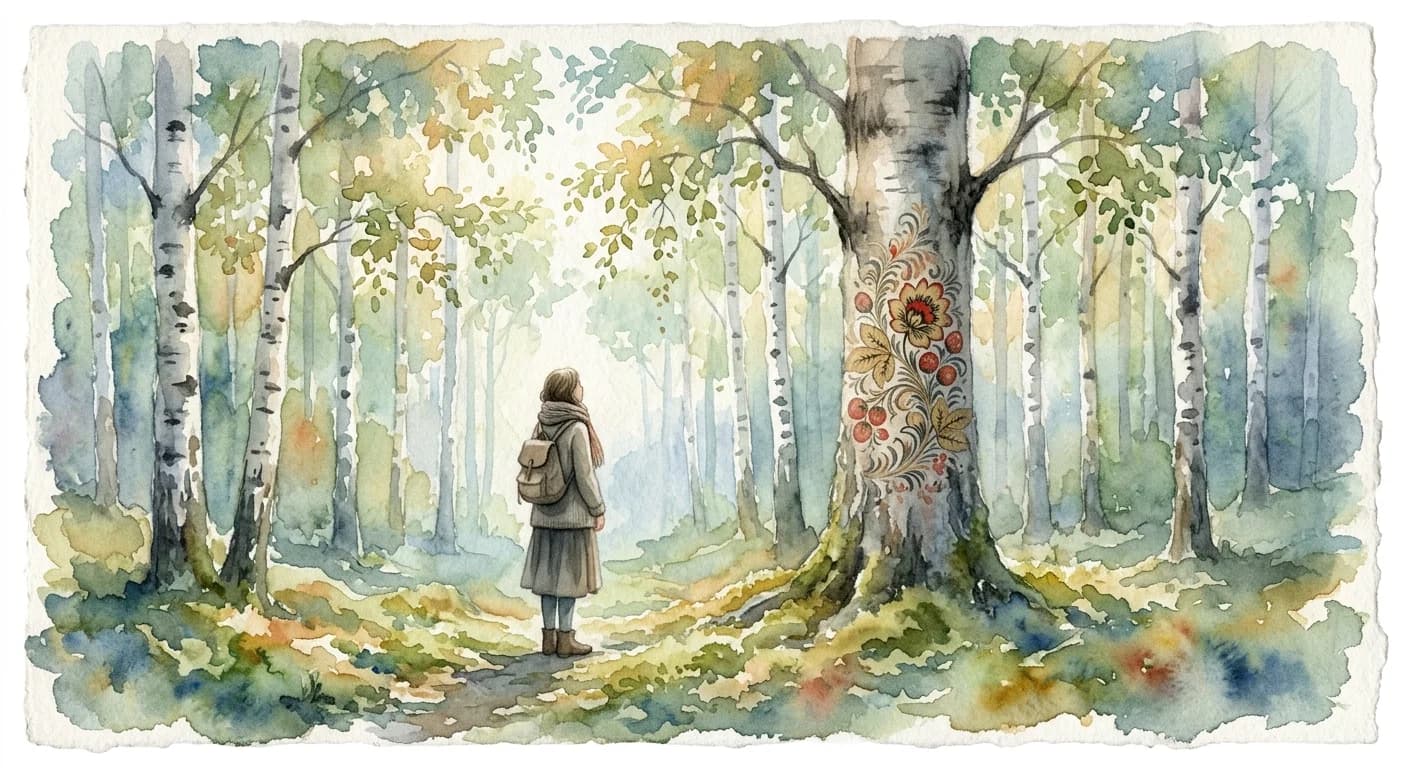
Ostranenie, a profound concept from Russian literary theory, describes the deliberate act of presenting the commonplace in an utterly unfamiliar light, stripping away the layers of habitual perception. It's a powerful artistic tool designed to jolt the audience out of passive acceptance, forcing them to genuinely 'see' and re-evaluate the world around them as if encountering it for the very first time. By rendering the familiar strange, it revitalizes our sensory and intellectual engagement, transforming the mundane into something revelatory and deeply felt, thus heightening our appreciation for existence itself.
Literal Translation
defamiliarization, alienation
The Story Behind the Word
Ostranenie emerged from the crucible of early 20th-century Russian Formalism, a revolutionary intellectual movement that sought to understand the 'literariness' of literature. In a society grappling with rapid social and political upheaval, where established norms were being questioned, Viktor Shklovsky's concept provided a framework for art to resist becoming automated and cliché. It reflects a cultural inclination towards deep introspection and a critical examination of reality, often born from periods of intense change. This word reveals a Russian intellectual tradition that values acute perception, challenges conventional thinking, and believes in the transformative power of art to reshape consciousness, rather than merely reflect it. It's about refusing to let life's richness fade into the background of habit.
Experience It
A Chair, Reimagined
An artist welds together old bicycle parts to create a chair. Sitting on it, the viewer is forced to consider not just its function, but the history of its components, the effort of assembly, and the very concept of 'sitting' in a new, slightly uncomfortable, yet fascinating way.
The Familiar Street
A poet describes a morning commute not with terms like 'traffic' or 'buildings,' but as 'a river of metal beasts disgorging their human cargo into stone canyons.' This sudden, vivid imagery makes the reader pause and genuinely observe the daily ritual they typically ignore.
The Deeper Meaning
Ostranenie embodies a deep philosophical commitment to active perception and a rejection of intellectual laziness. It posits that true understanding and appreciation come not from passive acceptance, but from a deliberate disruption of cognitive patterns. This concept suggests that the world's richness is often obscured by habit, and that art's highest purpose is to continuously peel back these layers, revealing the profound and the marvelous hidden within the everyday, thereby making life itself more vivid and meaningful.
Did You Know?
Shklovsky famously analyzed Tolstoy’s use of ostranenie, noting how the author often described familiar objects or events from the perspective of an animal or a naive character to make them seem new.
How It's Used
Primarily used in literary theory and art criticism to describe a technique for making the familiar strange and thereby enhancing perception.