U.
HomeRegionsLanguagesEmotionsCollections
Find Your Word

“The limits of my language mean the limits of my world.”

— Ludwig Wittgenstein, Philosopher

Untranslatable

A curated collection of the world's most beautiful expressions—words that remind us language is humanity's greatest invention.

  • Home
  • Collections
  • Regions
  • Countries
  • Emotions
  • Tags
  • Contexts
  • Finder
  • Europe
  • Asia
  • Americas
  • Africa
  • Middle East
  • About
  • Contact
  • Privacy Policy
  • Terms of Service

2026 © Untranslatable. All rights reserved.

    /
    /
    1. Home
    2. /
    3. Africa
    4. /
    5. Sankofa
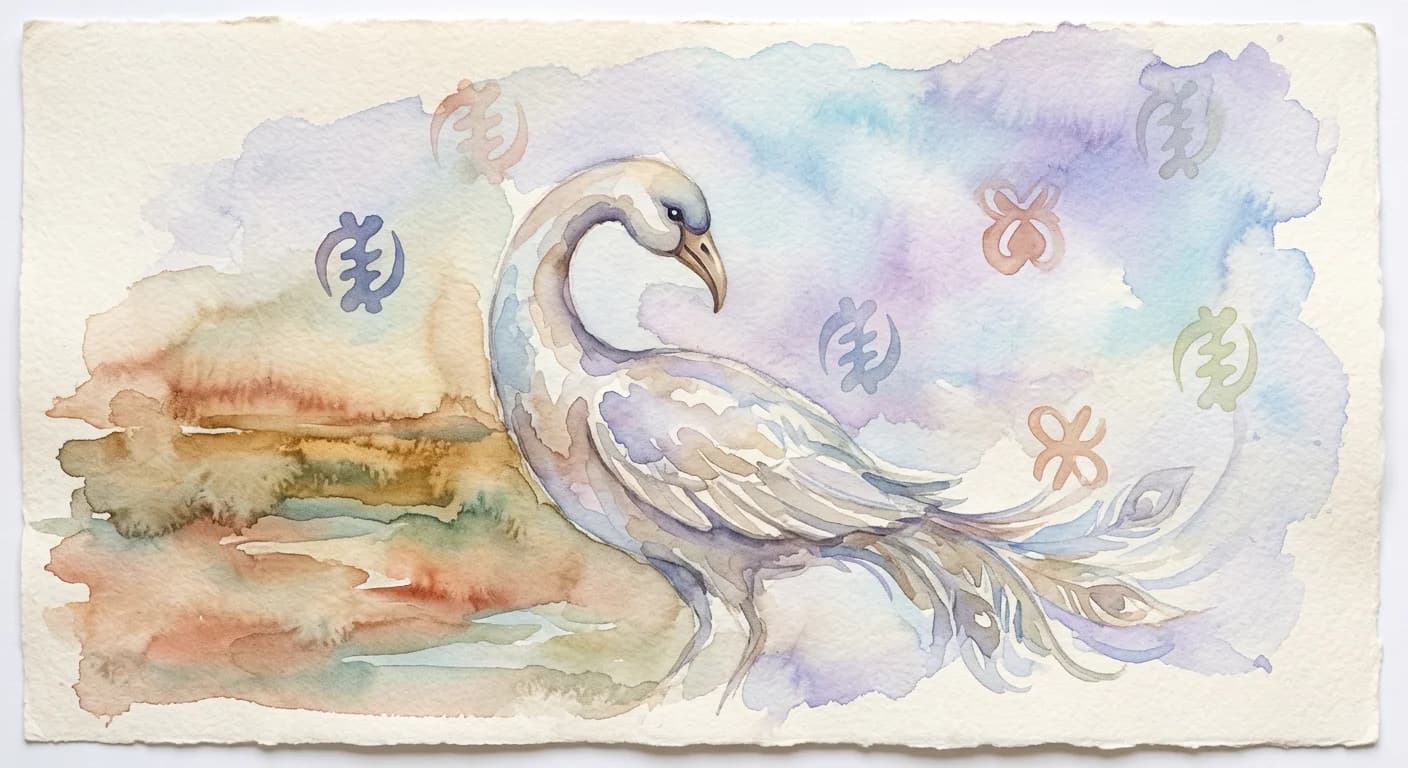
    Artistic representation of Sankofa
    Akan•
    🇬🇭Ghana

    Sankofa

    /SAHN-koh-fah/

    Meaning

    Sankofa, from the Akan language of Ghana, embodies the profound principle of engaging with the past to forge a brighter future. It is vividly symbolized by a mythical bird with its head turned backward, retrieving an egg, while its body moves forward, illustrating the imperative to look to one's history and heritage to understand the present and wisely plan for what lies ahead. This concept champions a continuous cycle of reflection, learning from both triumphs and missteps, ensuring that ancestral wisdom and personal experiences serve as an indispensable guide for growth and progress.

    Literal Translation

    Go back and get it

    The Story Behind the Word

    Sankofa is not merely a word but a cornerstone of Akan philosophy, deeply woven into the fabric of Ghanaian culture. It reflects a worldview where time is not linear but cyclical, and the past is an active, living presence shaping the present and future. This concept emerged from an oral tradition that emphasized ancestral wisdom and community continuity, essential for survival and flourishing in a society where collective memory and shared history are paramount. It speaks to the Akan people's reverence for their heritage, their understanding that identity is rooted in collective experience, and their pragmatic approach to progress – that true advancement requires acknowledging and integrating lessons from those who came before. It’s a call to humility, reminding individuals and the community that wisdom isn't solely a product of the present.

    Experience It

    Community Planning

    During a village meeting to discuss agricultural innovation, an elder reminds everyone, 'Let us Sankofa.' He recounts the successes and failures of past farming methods, urging the younger generation to learn from those experiences to adapt new techniques more effectively for their specific soil and climate.

    Personal Reflection

    After a significant personal setback, Kwame sits quietly, reflecting on his journey. He thinks, 'This is my Sankofa moment.' He reviews his past decisions, identifies patterns, and uses that self-awareness to chart a more thoughtful and resilient path forward, embodying the bird's wisdom.

    The Deeper Meaning

    Sankofa reveals a profound philosophical understanding of time, knowledge, and progress. It posits that true advancement is not about discarding the old but integrating its lessons. It champions a holistic view of existence where individual and collective identity are inseparable from historical lineage, emphasizing that wisdom is a continuous acquisition, not a static state. This worldview fosters resilience, adaptability, and a deep respect for heritage as a reservoir of guidance for contemporary challenges.

    Did You Know?

    The Sankofa symbol is one of the most recognizable Adinkra symbols, an ancient collection of visual proverbs from Ghana, often printed on cloth for ceremonies and funerals.

    How It's Used

    The term 'Sankofa' is used conceptually and symbolically, often appearing in proverbs, art, and cultural discussions. It serves as a reminder to value one's history and heritage, and to use past experiences as a guide for present and future endeavors.

    Emotions
    belonging,serenity
    Contexts
    cultural identity,education,history,personal growth
    🇬🇭Ghana

    by Sofia Rossi·Written Mar 14, 2026·Updated Apr 3, 2026

    Related Words

    Explore more
    SobremesaSpanish

    Sobremesa is the cherished, often extended period immediately following a meal, particularly lunch or dinner, where diners remain seated at the table to enjoy conversation, coffee, and digest not just the food, but the company itself. It’s a dedicated time for unhurried social bonding, storytelling, and shared laughter, transforming a simple meal into a profound communal experience. Far from just clearing the dishes, sobremesa is an integral part of Spanish social life, often lasting for hours.

    UbuntuZulu/Xhosa

    Ubuntu is a profound African philosophy that translates to 'I am because we are,' signifying that an individual's humanity is inextricably linked to the humanity of others. It embodies the belief that our existence and well-being are deeply intertwined with the community. This concept emphasizes compassion, reciprocity, dignity, and the understanding that true fulfillment is found not in isolation, but through collective flourishing and mutual support. It's a call to recognize and affirm the humanity in everyone, fostering a sense of interconnectedness.

    SamfundssindDanish

    Samfundssind is the profound, almost spiritual, commitment to the collective good that transcends individual desires. It's a deeply ingrained societal ethos where citizens instinctively understand their role in maintaining the health and harmony of the community, especially during challenges. This isn't just about following rules; it's an active, empathic engagement with society's needs, fostering a powerful sense of shared destiny and mutual care that underpins Danish social cohesion.

    JantelovenDanish

    Janteloven, or the Law of Jante, is a pervasive, unspoken social code deeply ingrained in Nordic culture. It dictates that no individual should believe themselves superior, more talented, or more deserving than others, fostering an ethos of collective equality and modesty. This powerful cultural norm discourages overt displays of success or ambition, subtly reinforcing a community-first mindset where blending in is often preferred over standing out. It's a constant, gentle pressure to remain humble, ensuring everyone feels equally valued within the social fabric.