U.
HomeRegionsLanguagesEmotionsCollections
Find Your Word

“The limits of my language mean the limits of my world.”

— Ludwig Wittgenstein, Philosopher

Untranslatable

A curated collection of the world's most beautiful expressions—words that remind us language is humanity's greatest invention.

  • Home
  • Collections
  • Regions
  • Countries
  • Emotions
  • Tags
  • Contexts
  • Finder
  • Europe
  • Asia
  • Americas
  • Africa
  • Middle East
  • About
  • Contact
  • Privacy Policy
  • Terms of Service

2026 © Untranslatable. All rights reserved.

    /
    /
    1. Home
    2. /
    3. Africa
    4. /
    5. Ujima
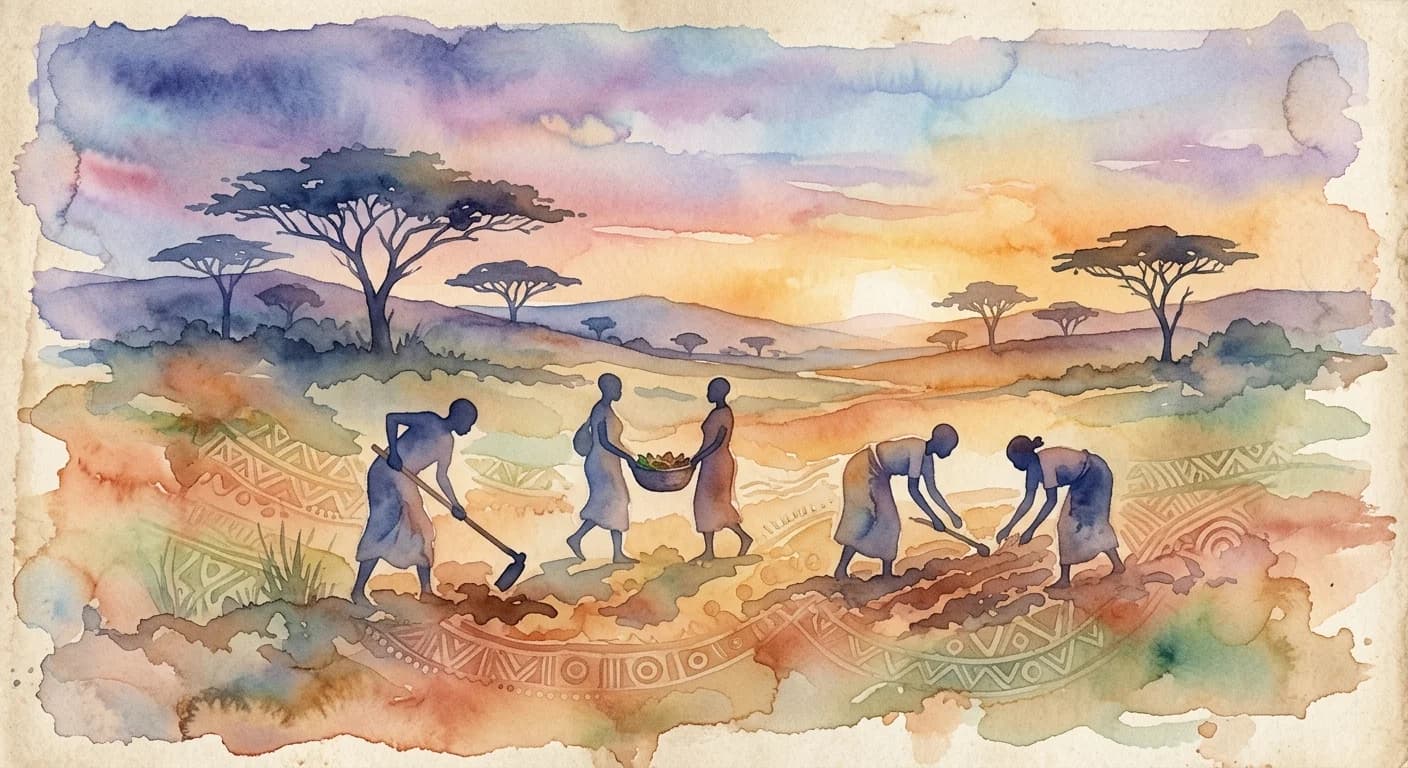
    Artistic representation of Ujima
    Swahili•
    🇧🇮Burundi🇰🇲Comoros🇨🇩Democratic Republic of the Congo🇰🇪Kenya🇲🇼Malawi🇲🇿Mozambique🇷🇼Rwanda🇸🇴Somalia🇹🇿Tanzania🇺🇬Uganda🇿🇲Zambia

    Ujima

    /oo-JEE-mah/

    Meaning

    Ujima, a cornerstone of the Kwanzaa celebration, embodies the profound principle of collective work and responsibility. It's more than simply cooperating; it's a deep-seated commitment where every individual understands their integral role in the community's well-being and progress. This concept champions the idea that shared effort and mutual accountability are the bedrock upon which a thriving, resilient community is built, ensuring that the strength of the collective amplifies the potential of each member.

    Literal Translation

    collective work and responsibility

    The Story Behind the Word

    Ujima is one of the Nguzo Saba, the Seven Principles of Kwanzaa, a holiday created in 1966 by Dr. Maulana Karenga to reconnect African Americans with their African cultural and historical heritage. Its emphasis on collective work and responsibility reflects traditional African communal values, where the individual identity is often intertwined with the well-being of the group. This principle was particularly salient during the Civil Rights era, offering a framework for unity and self-reliance in the face of systemic challenges. Ujima encourages a spirit of proactive engagement, where individuals don't just consume community resources but actively contribute to their creation and maintenance, fostering a sense of ownership and shared destiny. It reveals a worldview where interdependence is not a weakness but a fundamental source of strength and cultural continuity.

    Experience It

    Community Garden Day

    The neighborhood decided to revitalize a neglected lot into a vibrant community garden. On the designated day, elders shared gardening wisdom, young adults tilled the soil, and children helped plant seeds. Everyone, regardless of age or skill, contributed to the collective vision, embodying Ujima.

    Supporting a Local Business

    When a beloved Black-owned bookstore faced financial hardship, the community rallied. Some organized fundraisers, others volunteered to help with inventory, and many simply committed to purchasing books there regularly. Their collective efforts, driven by Ujima, ensured the bookstore's survival.

    The Deeper Meaning

    Ujima reflects a deep philosophical understanding that true individual flourishing is inextricably linked to the health and prosperity of the collective. It posits that human dignity and progress are best achieved not through isolation or pure self-interest, but through a conscious, active commitment to shared burdens and mutual upliftment. This principle underscores a worldview where community is not merely a geographic location but a living, breathing organism requiring constant care and contribution from all its members.

    Did You Know?

    Ujima is celebrated on the third day of Kwanzaa, December 28th, not December 29th, focusing on building and maintaining community projects and infrastructure.

    How It's Used

    Ujima is the third principle celebrated during Kwanzaa, typically from December 29th to January 4th. It's invoked in discussions about community projects, shared responsibilities, and collective problem-solving.

    Emotions
    belonging,gratitude
    Contexts
    community,family,work
    🇧🇮Burundi🇰🇲Comoros🇨🇩Democratic Republic of the Congo🇰🇪Kenya🇲🇼Malawi🇲🇿Mozambique🇷🇼Rwanda🇸🇴Somalia🇹🇿Tanzania🇺🇬Uganda🇿🇲Zambia

    by Kwame Nkrumah·Written Mar 14, 2026·Updated Apr 3, 2026

    Related Words

    Explore more
    SobremesaSpanish

    Sobremesa is the cherished, often extended period immediately following a meal, particularly lunch or dinner, where diners remain seated at the table to enjoy conversation, coffee, and digest not just the food, but the company itself. It’s a dedicated time for unhurried social bonding, storytelling, and shared laughter, transforming a simple meal into a profound communal experience. Far from just clearing the dishes, sobremesa is an integral part of Spanish social life, often lasting for hours.

    Pura vidaSpanish

    More than just 'pure life,' "Pura vida" encapsulates a profound philosophy of embracing the present moment with unwavering optimism and gratitude. It's a daily commitment to finding joy in simple pleasures, accepting life's challenges with a positive spirit, and prioritizing well-being over material possessions. This ubiquitous phrase reflects a national identity built on resilience, community, and an deep appreciation for nature's bounty.

    UbuntuZulu/Xhosa

    Ubuntu is a profound African philosophy that translates to 'I am because we are,' signifying that an individual's humanity is inextricably linked to the humanity of others. It embodies the belief that our existence and well-being are deeply intertwined with the community. This concept emphasizes compassion, reciprocity, dignity, and the understanding that true fulfillment is found not in isolation, but through collective flourishing and mutual support. It's a call to recognize and affirm the humanity in everyone, fostering a sense of interconnectedness.

    SamfundssindDanish

    Samfundssind is the profound, almost spiritual, commitment to the collective good that transcends individual desires. It's a deeply ingrained societal ethos where citizens instinctively understand their role in maintaining the health and harmony of the community, especially during challenges. This isn't just about following rules; it's an active, empathic engagement with society's needs, fostering a powerful sense of shared destiny and mutual care that underpins Danish social cohesion.