U.
HomeRegionsLanguagesEmotionsCollections
Find Your Word

“The limits of my language mean the limits of my world.”

— Ludwig Wittgenstein, Philosopher

Untranslatable

A curated collection of the world's most beautiful expressions—words that remind us language is humanity's greatest invention.

  • Home
  • Collections
  • Regions
  • Countries
  • Emotions
  • Tags
  • Contexts
  • Finder
  • Europe
  • Asia
  • Americas
  • Africa
  • Middle East
  • About
  • Contact
  • Privacy Policy
  • Terms of Service

2026 © Untranslatable. All rights reserved.

    /
    /
    1. Home
    2. /
    3. Asia
    4. /
    5. Yoisho
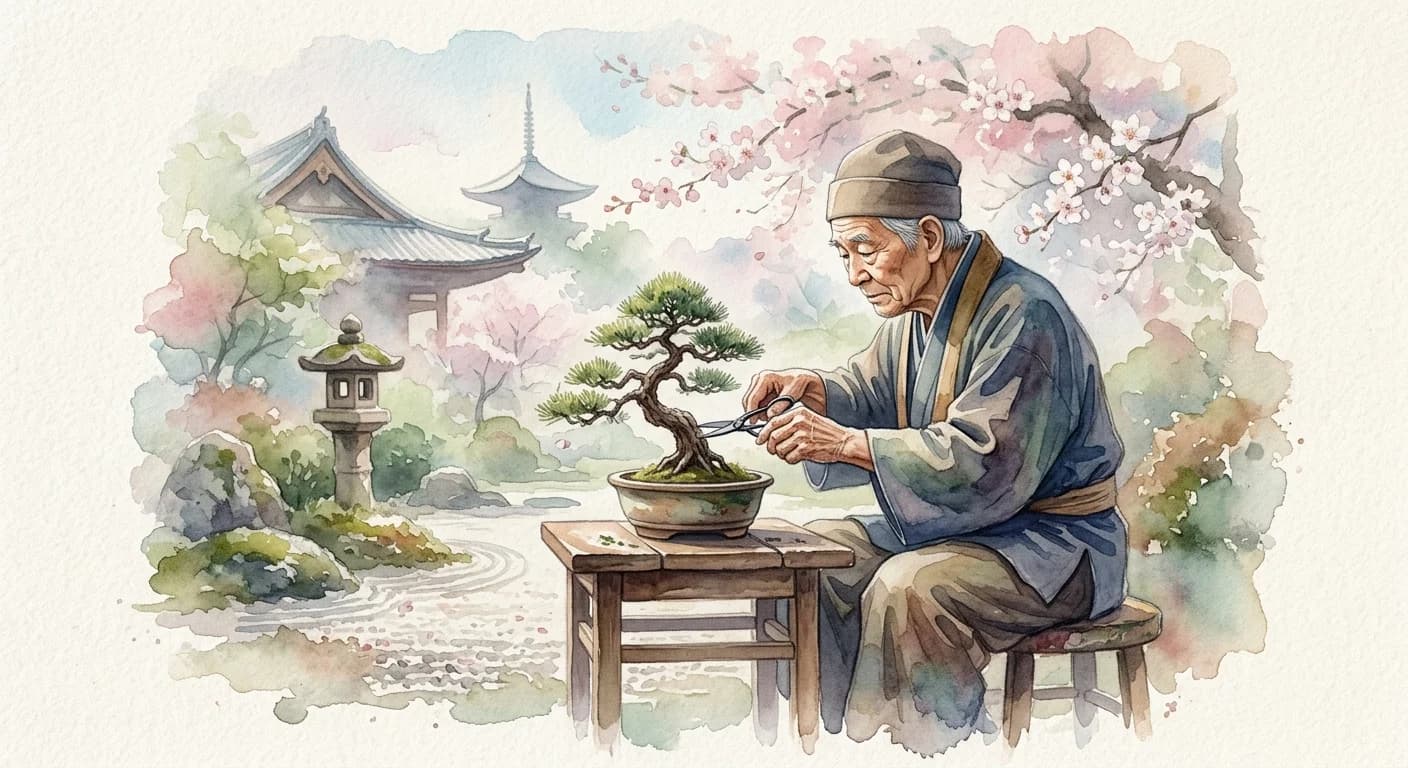
    Artistic representation of Yoisho
    Japanese•
    🇯🇵Japan

    Yoisho

    /YOH-ee-shoh/

    Meaning

    “Yoisho” is a quintessential Japanese exclamation uttered at the moment of physical effort, signaling a concentrated burst of energy. It’s more than a mere grunt; it’s a vocalization that marks the initiation or peak of a strenuous action, whether lifting a heavy object, rising from a deep bow, or executing a martial arts technique. This sound embodies a shared, almost ritualistic acknowledgment of the physical task, often accompanied by a focused expression, serving as both a mental cue and an outward declaration of resolve.

    Literal Translation

    There isn't a direct literal translation that captures its full meaning; it's an interjection.

    The Story Behind the Word

    The existence of "yoisho" reflects a deep-seated cultural appreciation for focused effort and the communal acknowledgment of physical labor. In a society that historically valued harmony and collective action, such vocalizations served not only as personal exertion aids but also as rhythmic cues for group tasks, like pulling fishing nets or raising timbers. It speaks to a subtle understanding that even individual struggles are observed and implicitly supported by the surrounding social fabric. This interjection transcends simple utility, embodying a philosophy where deliberate action, even when physically demanding, is performed with a certain mindful intention and shared human experience.

    Experience It

    Moving Furniture

    An elderly couple is rearranging their living room. As the husband grasps the heavy wooden chest, he leans in, takes a deep breath, and with a soft but determined "Yoisho!" he lifts one side, his wife assisting with the other, a shared understanding passing between them.

    Rising from Seiza

    After a long tea ceremony, a guest, having sat in seiza (kneeling position) for an extended period, prepares to stand. With a slight shift of weight and a quiet, almost internal "Yoisho," they slowly and deliberately push themselves up, acknowledging the effort with the sound.

    The Deeper Meaning

    “Yoisho” reveals a philosophical perspective centered on the mindful embrace of physical challenge. It’s an audible manifestation of intention, transforming raw effort into a deliberate act. This vocalization suggests that even strenuous moments are not merely endured but are consciously met with focused energy, reflecting a culture that values perseverance and the dignified execution of tasks, however mundane or demanding.

    Did You Know?

    Did you know that "yoisho" is often taught to children to help them coordinate their movements and understand the timing of effort, making it a foundational sound in physical education?

    How It's Used

    Used when performing physical exertion, like lifting, standing up, or during strenuous activity. It can also be used in martial arts or even when pushing a heavy object.

    Emotions
    belonging,comfort,gratitude
    Contexts
    family,relaxation,work
    🇯🇵Japan

    by Dr. Kenji Tanaka·Written Mar 14, 2026·Updated Apr 3, 2026

    Related Words

    Explore more
    SobremesaSpanish

    Sobremesa is the cherished, often extended period immediately following a meal, particularly lunch or dinner, where diners remain seated at the table to enjoy conversation, coffee, and digest not just the food, but the company itself. It’s a dedicated time for unhurried social bonding, storytelling, and shared laughter, transforming a simple meal into a profound communal experience. Far from just clearing the dishes, sobremesa is an integral part of Spanish social life, often lasting for hours.

    Wabi-sabiJapanese

    Wabi-sabi is the profound appreciation for the ephemeral, the imperfect, and the incomplete aspects of existence. It is about discovering beauty in the subtle textures of age, the unique character of flaws, and the gentle decay that marks the passage of time. This philosophy encourages a quiet acceptance of impermanence and a mindful connection to the natural world, finding elegance in simplicity and authenticity.

    IkigaiJapanese

    Ikigai is more than just a reason to get out of bed; it's a deeply personal and evolving sense of purpose that brings genuine fulfillment and joy to one's life. It represents the sweet spot where your passions, talents, needs of the world, and what you can be paid for beautifully converge. Discovering your ikigai often leads to a life lived with intentionality, resilience, and a profound connection to one's contributions. It's the intrinsic motivation that fuels a meaningful existence, regardless of external circumstances.

    NunchiKorean

    Nunchi is the sophisticated, almost telepathic, ability to instantly grasp the unspoken dynamics of any social situation, anticipating others' thoughts and feelings, and then responding with impeccable grace and timing. It's an acute form of social intuition, allowing one to navigate complex interpersonal landscapes by reading subtle cues like body language, tone, and context. Possessing good nunchi means effortlessly understanding the underlying emotional currents and adjusting one's behavior to maintain harmony and effectiveness, often without a single word exchanged.