Bakkushan
/BAHK-koo-shahn/
Meaning
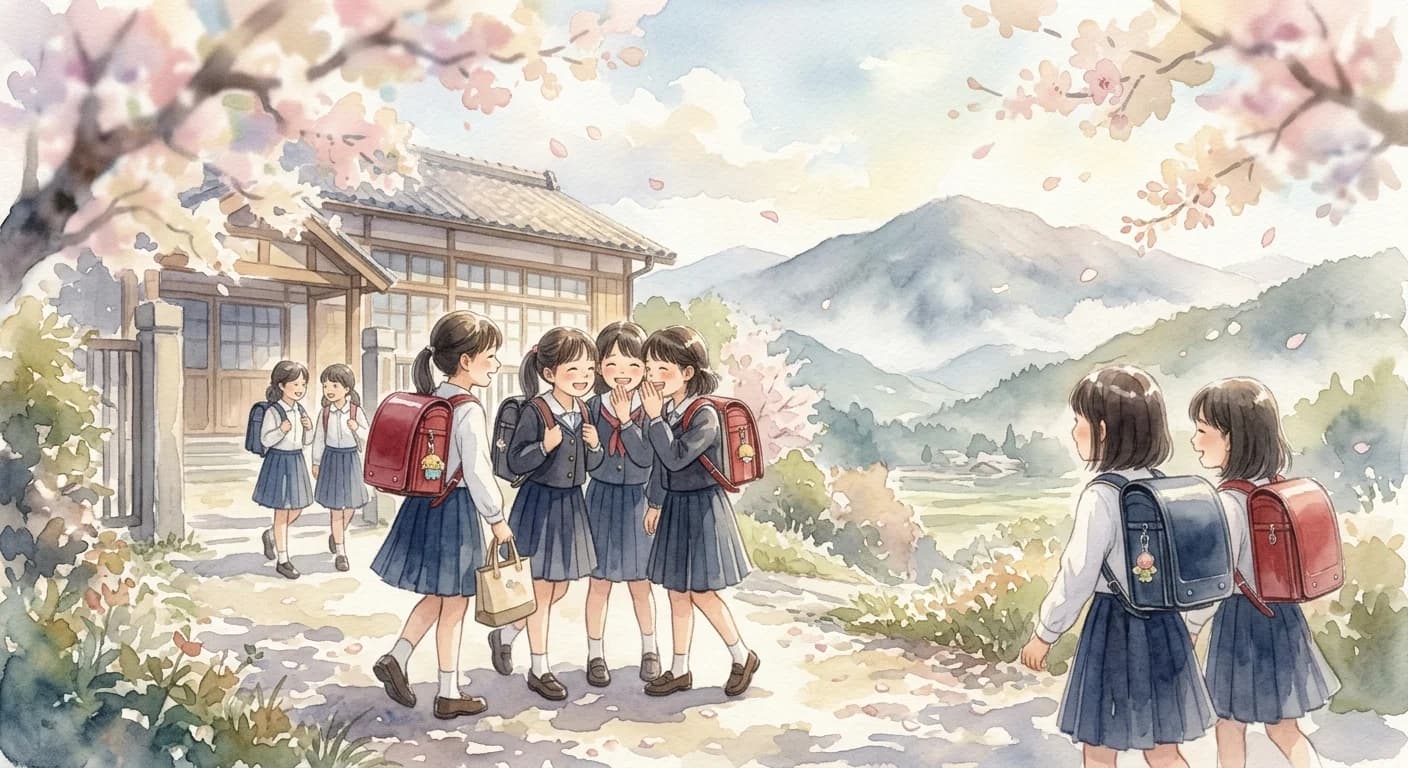
Bakkushan vividly captures the exhilarating, almost dizzying sensation that washes over students at the very end of a school term, just as a much-anticipated break is about to begin. It's the collective sigh of relief mixed with effervescent joy, a unique blend of exhaustion from academic pressures and the thrilling anticipation of impending freedom. This feeling encompasses the release from rigorous study, the joy of future leisure, and a boisterous, celebratory atmosphere that marks a distinct transition from duty to delight.
Literal Translation
The origin of 'Bakkushan' is actually from the Latin word 'bacchanal,' referring to Roman festivals in honor of Bacchus, the god of wine and revelry. In Japanese, it has evolved to specifically describe the boisterous, celebratory atmosphere at the end of a school term.
The Story Behind the Word
The existence of 'Bakkushan' in Japanese culture, despite its Latin roots, speaks volumes about the societal value placed on both diligent effort and the necessity of release. Japanese education is renowned for its intensity and pressure, with students often facing demanding schedules, rigorous exams, and high expectations from an early age. This creates a powerful buildup of stress, making the release valve of a school break incredibly significant. The adoption and evolution of 'Bakkushan' highlight a cultural understanding that after prolonged periods of discipline and hard work, a collective, almost ritualistic, celebration of freedom is essential for mental and emotional rejuvenation. It underscores a societal acknowledgment of the 'work hard, play hard' ethos, albeit within a structured academic context, and the importance of communal relief.
Experience It
Last Bell Euphoria
The final bell shrieked, and a wave of Bakkushan swept through the classroom. Students erupted in cheers, throwing their textbooks into bags with a newfound lightness, their faces alight with the promise of summer vacation stretching before them.
Semester's End
After the last grueling final exam, a palpable Bakkushan settled over the university campus. Friends gathered, plans were excitedly made, and the weight of overdue assignments and late-night study sessions evaporated, replaced by giddy anticipation.
The Deeper Meaning
This word subtly reveals a cultural understanding of cyclical effort and reward. It acknowledges the inherent tension between societal demands for discipline and the human need for liberation and joy. 'Bakkushan' suggests that periods of intense focus and restraint are not only tolerated but are also balanced by anticipated, communal moments of release, reinforcing a worldview where hard work is deeply intertwined with the deserving pleasure of its cessation.
Did You Know?
Despite its current association with school breaks, 'Bakkushan' literally derives from the Latin 'bacchanal,' referring to ancient Roman festivals honoring Bacchus, the god of wine and wild revelry!
How It's Used
Used by students and educators in Japan to describe the atmosphere and feeling at the end of a school term, just before a holiday break.