U.
HomeRegionsLanguagesEmotionsCollections
Find Your Word

“The limits of my language mean the limits of my world.”

— Ludwig Wittgenstein, Philosopher

Untranslatable

A curated collection of the world's most beautiful expressions—words that remind us language is humanity's greatest invention.

  • Home
  • Collections
  • Regions
  • Countries
  • Emotions
  • Tags
  • Contexts
  • Finder
  • Europe
  • Asia
  • Americas
  • Africa
  • Middle East
  • About
  • Contact
  • Privacy Policy
  • Terms of Service

2026 © Untranslatable. All rights reserved.

    /
    /
    1. Home
    2. /
    3. Africa
    4. /
    5. Ilunga
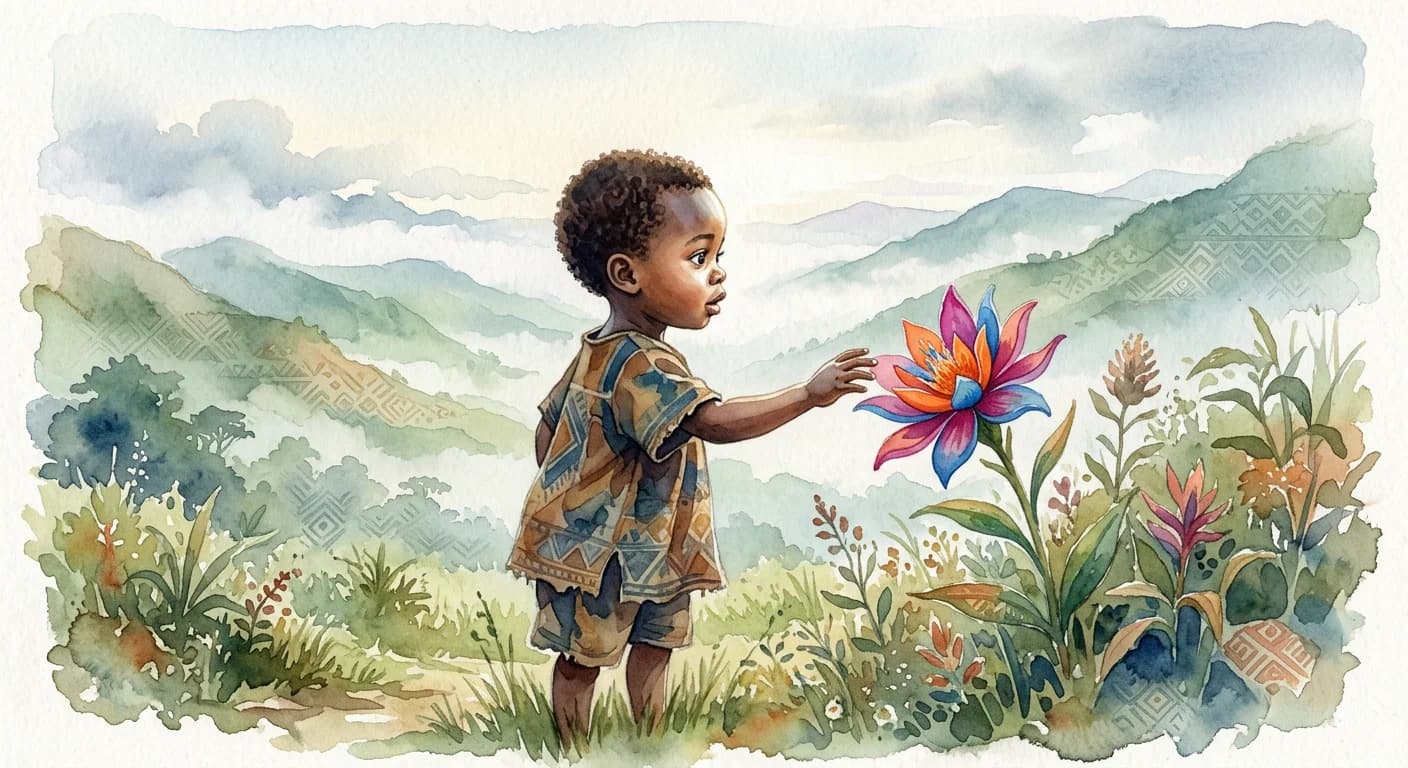
    Artistic representation of Ilunga
    Tshiluba•
    🇨🇩Democratic Republic of the Congo

    Ilunga

    /ee-LOON-gah/

    Meaning

    Ilunga is a profound Tshiluba concept that extends compassionate understanding to someone making an error for the very first time. It embodies the grace offered to a 'first-time doer,' acknowledging that mistakes are an intrinsic part of learning and navigating novel experiences. This word beautifully captures a deep-seated empathy, suggesting that judgment should always be tempered by the recognition of human fallibility and the challenges inherent in new beginnings. It allows for forgiveness and patience, fostering an environment where growth through trial and error is openly accepted.

    Literal Translation

    First-time doer (or one who does for the first time)

    The Story Behind the Word

    The existence of 'Ilunga' in Tshiluba culture speaks volumes about a societal emphasis on communal harmony, patience, and the value of learning. In a society where oral traditions and experiential knowledge are highly prized, the first attempt at anything, be it a craft, a social custom, or a complex task, is understood to be a journey of discovery. This philosophy likely stems from a worldview that prioritizes collective well-being over individual perfection, and where elders play a crucial role in guiding younger generations. It suggests a culture that encourages participation and effort, rather than shaming initial failures. The word fosters resilience, allowing individuals to take risks and learn without the paralyzing fear of immediate condemnation, thus reinforcing social cohesion and intergenerational teaching.

    Experience It

    First Time Weaving

    A young apprentice is learning to weave intricate patterns and accidentally tangles the threads, ruining a portion of the fabric. Instead of scolding, the master weaver gently says, 'Ah, Ilunga,' and shows them how to untangle and restart, understanding it's their first attempt at such a complex design.

    New Village Chief

    A newly appointed village chief makes a decision that inadvertently causes minor inconvenience to some families. The elders, recalling the challenges of leadership, murmur 'Ilunga,' recognizing that he is still finding his way in his new, weighty responsibilities and will learn from the experience.

    The Deeper Meaning

    This word reveals a philosophy deeply rooted in humanism and a cyclical view of life and learning. It posits that true wisdom comes not from avoiding mistakes, but from experiencing them and evolving. It underscores a societal belief in the inherent goodness and potential for growth within every individual, offering a framework for compassion that prioritizes understanding and rehabilitation over punitive judgment, especially for those venturing into the unknown.

    Did You Know?

    In 2004, 'Ilunga' was voted 'the most untranslatable word in the world' by a panel of over 1,000 linguists from across the globe, highlighting its unique cultural specificity.

    How It's Used

    Used to describe and excuse the actions of someone doing something for the very first time, especially if it results in a mistake or an unintended negative consequence.

    Emotions
    acceptance,compassion
    Contexts
    childhood,daily life,education
    🇨🇩Democratic Republic of the Congo

    by Anya Petrova·Written Mar 14, 2026·Updated Apr 3, 2026

    Related Words

    Explore more
    Wabi-sabiJapanese

    Wabi-sabi is the profound appreciation for the ephemeral, the imperfect, and the incomplete aspects of existence. It is about discovering beauty in the subtle textures of age, the unique character of flaws, and the gentle decay that marks the passage of time. This philosophy encourages a quiet acceptance of impermanence and a mindful connection to the natural world, finding elegance in simplicity and authenticity.

    UbuntuZulu/Xhosa

    Ubuntu is a profound African philosophy that translates to 'I am because we are,' signifying that an individual's humanity is inextricably linked to the humanity of others. It embodies the belief that our existence and well-being are deeply intertwined with the community. This concept emphasizes compassion, reciprocity, dignity, and the understanding that true fulfillment is found not in isolation, but through collective flourishing and mutual support. It's a call to recognize and affirm the humanity in everyone, fostering a sense of interconnectedness.

    FrisindDanish

    Frisind encapsulates a profound societal and personal ethos of open-mindedness, tolerance, and a deeply liberal outlook on existence. It transcends mere political alignment, embodying a cultural imperative to embrace diverse perspectives and champion individual freedom of thought and expression. This concept actively rejects narrow-mindedness and prejudice, fostering an environment where every person feels empowered to authentically be themselves, thereby cultivating collective well-being and mutual understanding within the community.

    FingerspitzengefühlGerman

    Fingerspitzengefühl is more than just tact; it's an exquisite, almost subliminal sensitivity that allows one to navigate complex social landscapes with effortless grace. It embodies the intuitive ability to gauge the emotional temperature of a room, anticipate unspoken needs, and respond with precisely the right word or gesture, often before others are even aware of the delicate balance at play. This deep perceptiveness enables individuals to handle sensitive negotiations, comfort distressed colleagues, or mediate disputes with a subtle, almost invisible touch that leaves everyone feeling understood and respected, turning potential awkwardness into harmonious resolution.

    Featured in 1 collection

    🧠Social Intelligence