Griot
/GREE-oh/
Meaning
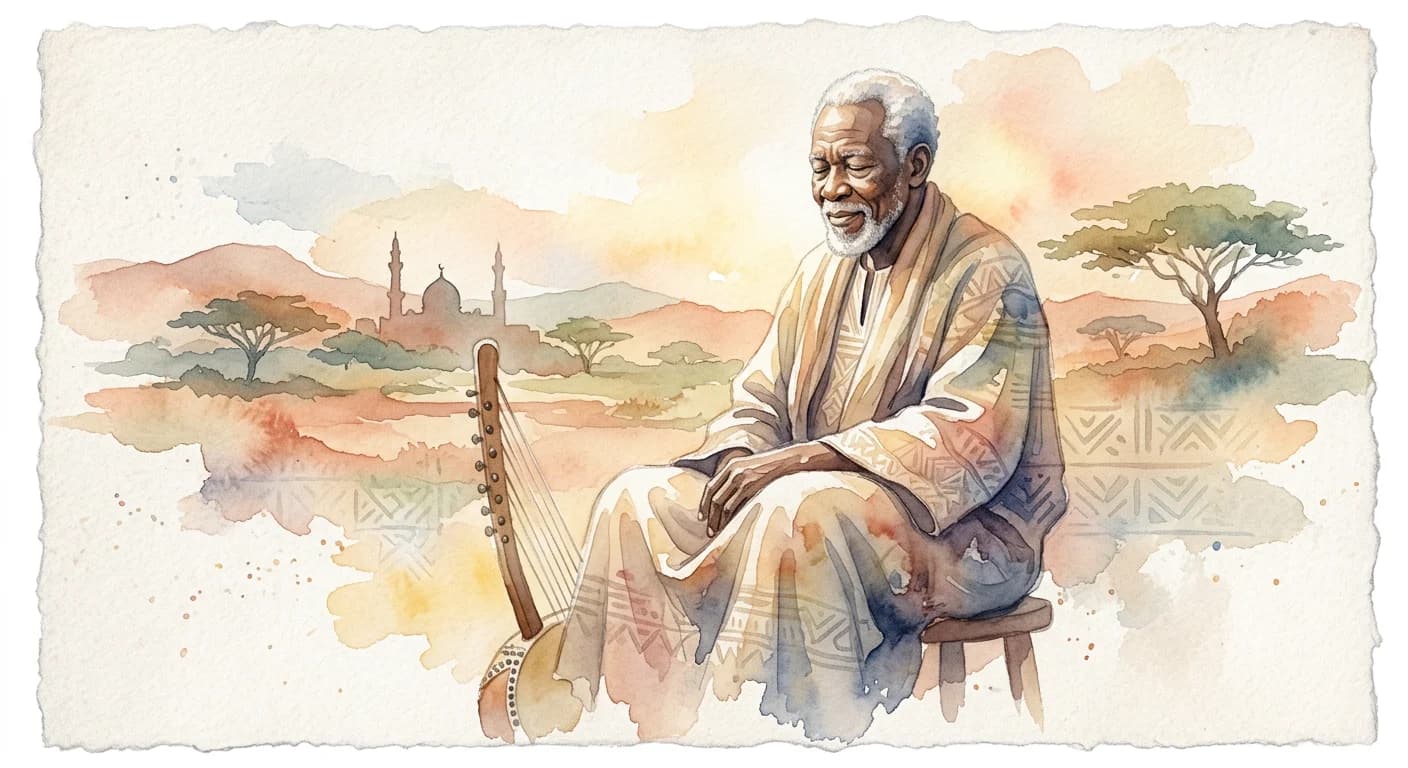
A Griot (or Jeli in Manding) is far more than just a performer; they are the living memory and conscience of West African societies, particularly within the Mandinka and Mande cultures. This hereditary caste meticulously preserves and transmits generations of genealogies, epic histories, legal precedents, and societal values through intricate songs, poetic recitations, and masterful storytelling. Functioning as advisors, educators, diplomats, and celebrants, the Griot serves as an indispensable bridge connecting ancestral wisdom to contemporary life, embodying the very essence of community identity and historical continuity.
Literal Translation
Often translated as 'bard' or 'storyteller', but this doesn't capture the full scope of their societal role.
The Story Behind the Word
The existence of the Griot caste speaks volumes about the profound reverence for oral tradition, history, and community cohesion in West African societies. Unlike cultures that rely primarily on written records, Mande cultures entrust their collective memory to these living archives, ensuring that history is not a static text but a dynamic, performed narrative that adapts and resonates with each generation. Griots are believed to possess 'nyama,' a spiritual force, which grants them the power to shape destinies through their words. Their role reveals a worldview where the past is not merely remembered but actively engaged with, informing social structures, resolving disputes, and inspiring future actions. They are the guardians of identity, reminding people of their origins and their place in the grand tapestry of life.
Experience It
Wedding Celebration
At a vibrant Mandinka wedding, the Griot stands before the assembled families. With a kora in hand, he sings the detailed genealogies of both the bride and groom, intertwining their ancestral stories with praise songs, reminding everyone of the rich heritage they now share and the responsibilities that come with it.
Village Dispute
When a land dispute arises in the village, the elders summon the Griot. He recites the historical ownership of the land, detailing past agreements and family lineages, providing crucial context and precedent that helps guide the community towards a just resolution, honoring tradition and avoiding conflict.
The Deeper Meaning
The Griot embodies a philosophy where knowledge is not just accumulated information, but a living, breathing entity, passed down through performance and personal connection. It underscores the belief that history is not a burden but a vital, empowering resource that shapes identity, guides morality, and ensures the continuity of culture. Their existence highlights the profound power of spoken word and memory in shaping individual and collective destinies.
Did You Know?
Many Griots trace their lineage directly back to Balla Fasséké, the personal Griot of Sundiata Keita, the founder of the Mali Empire in the 13th century, solidifying their ancient and revered status.
How It's Used
Used to refer to the hereditary class of traveling poets, musicians, and storytellers who maintain the oral tradition in West Africa.