Nuchter
/NUHK-tur/
Meaning
The Dutch word 'nuchter' encapsulates a profound state of clear-headedness and grounded pragmatism, particularly after navigating emotional turbulence or overwhelming circumstances. It signifies a deliberate return to a sensible, rational perspective, free from the intoxicating sway of strong emotions, fleeting excitement, or idealistic fantasies. This state is not merely an absence of intoxication, but a conscious re-anchoring in reality, allowing for thoughtful action and a clear-eyed assessment of situations, rather than succumbing to sentimentality or irrational impulses.
Literal Translation
Sober, soberly
The Story Behind the Word
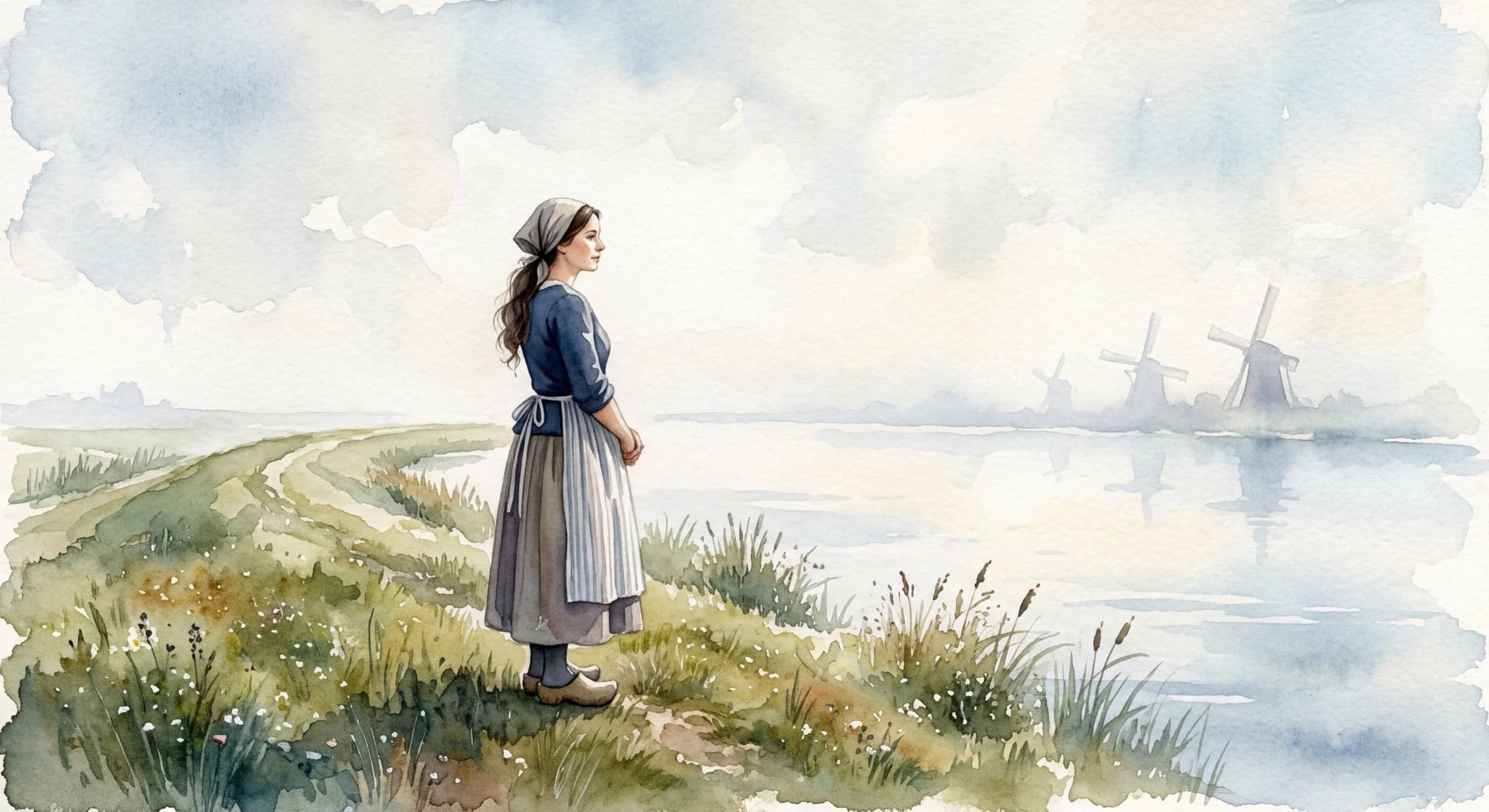
The concept of 'nuchter' is deeply interwoven with the fabric of Dutch history and geography, particularly the constant battle against the sea. Living in a land largely reclaimed from water necessitated a practical, no-nonsense approach to survival and community building. This fostered a culture that values hard work, meticulous planning, and a realistic outlook over grand gestures or emotional extravagance. 'Nuchterheid' became a cornerstone of the Dutch character, promoting resilience and a focus on tangible solutions. It reflects a societal preference for understated competence and reliability, where facing facts squarely, even unpleasant ones, is seen as a virtue, allowing for effective problem-solving and collective progress. This cultural emphasis on realism and practicality helps explain why the Dutch often appear reserved or direct to outsiders.
Experience It
After a Heated Debate
After a particularly passionate and somewhat chaotic town hall meeting, the mayor remained remarkably 'nuchter'. Instead of getting caught up in the emotional outbursts, she calmly summarized the key points and proposed a concrete next step, steering the conversation back to practical solutions.
Facing Financial Setback
When news of their company's unexpected financial loss broke, the team leader approached the situation with 'nuchterheid'. He didn't panic or assign blame, but immediately focused on analyzing the data and outlining a clear plan for recovery, inspiring confidence in his colleagues.
The Deeper Meaning
At its core, 'nuchter' embodies a philosophical stance that champions rational thought and empirical observation over emotionality and idealism. It suggests that true wisdom lies in maintaining a clear, unbiased perspective, particularly when faced with challenges or temptations. This worldview promotes self-control, resilience, and a grounded realism, positing that a 'nuchter' approach leads to more effective decision-making and a more stable, productive life, reflecting a deep trust in reason's ability to navigate complexity.
Did You Know?
The word 'nuchter' is etymologically related to 'nüchtern' in German and 'nocturnal' in English, hinting at its original meaning associated with an empty stomach in the morning, before any food or drink could 'intoxicate' the senses.
How It's Used
Used to describe someone who is sober, sensible, and not easily swayed by emotions or excitement. It can also refer to the state of being clear-headed after a period of intoxication or strong emotional upheaval.