U.
HomeRegionsLanguagesEmotionsCollections
Find Your Word

“The limits of my language mean the limits of my world.”

— Ludwig Wittgenstein, Philosopher

Untranslatable

A curated collection of the world's most beautiful expressions—words that remind us language is humanity's greatest invention.

  • Home
  • Collections
  • Regions
  • Countries
  • Emotions
  • Tags
  • Contexts
  • Finder
  • Europe
  • Asia
  • Americas
  • Africa
  • Middle East
  • About
  • Contact
  • Privacy Policy
  • Terms of Service

2026 © Untranslatable. All rights reserved.

    /
    /
    1. Home
    2. /
    3. Europe
    4. /
    5. Solivagant
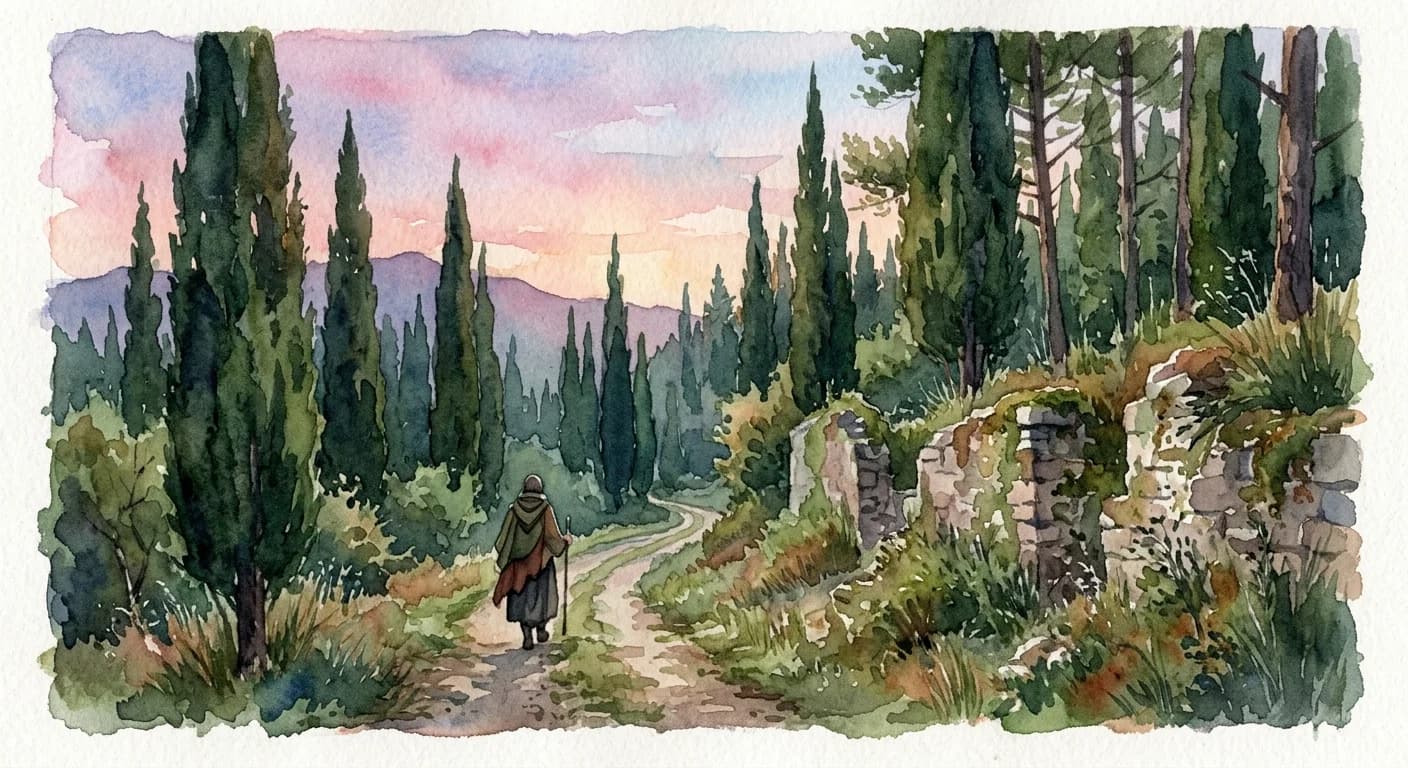
    Artistic representation of Solivagant
    Latin•
    🇮🇹Italy

    Solivagant

    /soh-LIV-uh-gant/

    Meaning

    A "solivagant" is not merely someone who walks alone, but a soul who deliberately seeks out solitary journeys as a path to profound introspection and self-discovery. This wanderer embraces the quietude of their own company, finding solace and deep connection with the natural world. Their path is a meditative exploration, a conscious detachment from societal noise to cultivate an inner landscape rich with personal insights and a tranquil appreciation for existence. It signifies a chosen state of being where peace is found in one's own presence, fostering genuine contentment.

    Literal Translation

    Wandering alone

    The Story Behind the Word

    While Latin, as the language of the Roman Empire, was pragmatic and often focused on collective societal structures, words like "solivagant" hint at an underlying appreciation for individual experience and inner life. The Romans, despite their emphasis on civic duty and military prowess, also valued Stoicism and Epicureanism, philosophies that encouraged introspection and a measured approach to life, sometimes even advocating for withdrawal from public life for philosophical contemplation. This word, though perhaps not commonly used in everyday Roman discourse, reflects a recognition of the deliberate choice to seek solitude, a practice that could be seen as a form of intellectual or spiritual pursuit, rather than mere loneliness. It speaks to a universal human inclination, acknowledged even in a highly social society, to find meaning in one's own company.

    Experience It

    Mountain Serenity

    After a demanding week, Marco packed a small bag and headed for the Apennine foothills. He spent the entire day hiking winding trails, his only companions the rustling leaves and distant bird song, a true solivagant finding peace in the vastness.

    Urban Contemplation

    Elara often spent her weekends as a solivagant, navigating the labyrinthine streets of Rome. She wasn't seeking company, but rather the quiet hum of the ancient city, allowing her thoughts to drift as she discovered hidden piazzas and forgotten corners.

    The Deeper Meaning

    The word "solivagant" reveals a philosophical perspective that values self-reliance and the profound insights gained through solitude. It suggests that true understanding and peace are often found not in external validation or societal engagement, but in a deliberate turning inward. This worldview posits that disconnecting from the external world is not an escape, but a purposeful journey to nurture one's inner self and connect more deeply with existence on a personal, unmediated level.

    Did You Know?

    While "solivagant" sounds like a modern invention, it has roots in classical Latin, a testament to the enduring human desire for solitary wandering and introspection.

    How It's Used

    Used to describe a person who enjoys or practices wandering alone.

    Emotions
    contentment,peace,serenity,wonder
    Contexts
    nature,solitude,travel
    🇮🇹Italy

    by Anya Petrova·Written Mar 14, 2026·Updated Apr 3, 2026

    Related Words

    Explore more
    HyggeDanish

    Hygge is more than mere coziness; it's a holistic embrace of comfort, warmth, and belonging that nourishes the soul. It describes the intentional creation of an intimate atmosphere where simple pleasures, genuine connection, and mindful presence converge, fostering a profound sense of contentment and well-being. It's about finding joy and peace in the small, everyday moments, often shared with loved ones.

    SaudadePortuguese

    Saudade encapsulates a profound, melancholic longing for something or someone cherished that is absent, often with the bittersweet knowledge that it may never return. It's a deep emotional state tinged with nostalgia, evoking a sense of loss for past experiences, places, or people, yet also holding a tender appreciation for the beauty of what once was. This yearning is not merely sadness, but a complex tapestry of desire, memory, and a poignant acceptance of absence, holding the beloved in a warm, persistent embrace within the heart.

    GezelligDutch

    Gezellig encapsulates a profound sense of warmth, belonging, and convivial comfort, extending beyond mere coziness to embrace the social and emotional atmosphere. It's the feeling of being truly at ease, surrounded by good company, laughter, and a shared sense of contentment. This untranslatable term describes not just a physical space, but a holistic experience where time seems to slow down, fostering genuine connection and a deep sense of well-being.

    Dolce far nienteItalian

    Dolce far niente captures the profound joy and effortless pleasure derived from simply existing without obligation or purpose. It's the art of savoring moments of pure, unadulterated idleness – lying in the sun, watching the clouds drift, or enjoying a leisurely coffee – not as a break from work, but as a valuable state in itself. This 'sweetness of doing nothing' is a conscious embrace of stillness and contentment, allowing the soul to breathe and the senses to fully engage with the present.