U.
HomeRegionsLanguagesEmotionsCollections
Find Your Word

“The limits of my language mean the limits of my world.”

— Ludwig Wittgenstein, Philosopher

Untranslatable

A curated collection of the world's most beautiful expressions—words that remind us language is humanity's greatest invention.

  • Home
  • Collections
  • Regions
  • Countries
  • Emotions
  • Tags
  • Contexts
  • Finder
  • Europe
  • Asia
  • Americas
  • Africa
  • Middle East
  • About
  • Contact
  • Privacy Policy
  • Terms of Service

2026 © Untranslatable. All rights reserved.

    /
    /
    1. Home
    2. /
    3. Europe
    4. /
    5. Dustsceawung
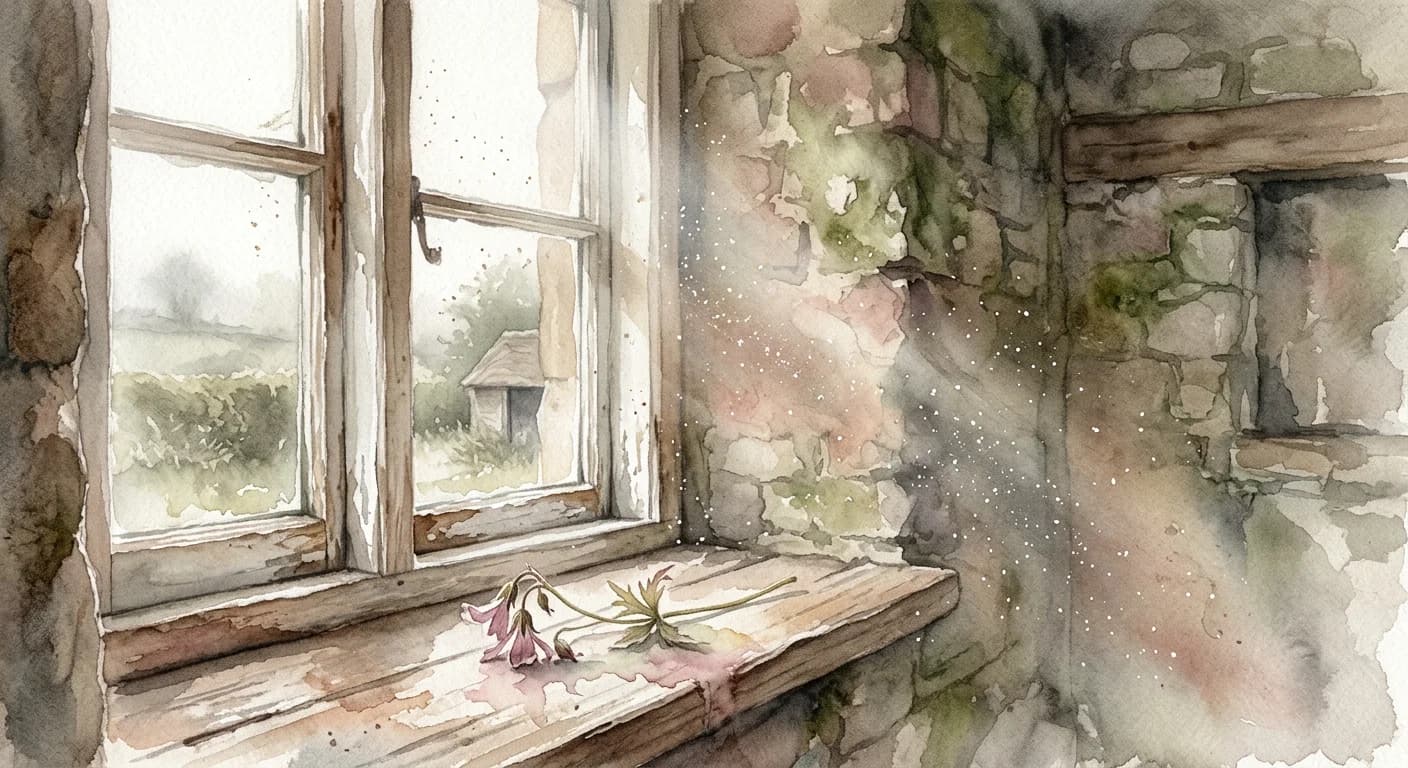
    Artistic representation of Dustsceawung
    Old English•
    🇬🇧United Kingdom

    Dustsceawung

    /DUST-shyah-woong/

    Meaning

    Dustsceawung is the profound, almost spiritual act of contemplating the ephemeral nature of life through the observation of dust. It's the moment one gazes at motes dancing in a sunbeam or dust settled on an ancient artifact, and in that mundane sight, recognizes the inevitable decline and eventual return to nothingness of all worldly possessions and even life itself. This triggers a deep, melancholic yet often accepting reflection on mortality, the relentless passage of time, and the impermanence of all existence.

    Literal Translation

    dust-seeing

    The Story Behind the Word

    The existence of 'Dustsceawung' in Old English culture reflects a deep-seated awareness of mortality and the transient nature of earthly life, a worldview heavily influenced by both pre-Christian Germanic fatalism and the ascendant Christian teachings on Memento Mori ('Remember you must die'). In a society where life was often harsh and short, and material possessions were less permanent than in modern times, the constant presence of decay would have been a daily reminder of impermanence. This word embodies a philosophical resignation to fate and the natural cycle of disintegration, a contemplative practice that likely served as a coping mechanism and a spiritual exercise, encouraging focus on the eternal rather than the fleeting.

    Experience It

    Ancient Tome's Dust

    An old scholar opens a forgotten manuscript in a quiet library, and as dust motes rise from its brittle pages into a shaft of sunlight, he feels a wave of Dustsceawung. He contemplates the countless hands that touched it, the lives it outlived, and the inevitable return of all knowledge and matter to dust.

    Sunbeam in the Hall

    A weary king stands in his great hall, gazing at the dust swirling in a sunbeam that pierces the high window. He feels Dustsceawung, a quiet understanding of his own fleeting reign, the eventual decay of his kingdom, and the ultimate leveling effect of time on all power and glory.

    The Deeper Meaning

    This word reveals a worldview deeply attuned to impermanence and the cyclical nature of existence. It suggests a culture that embraced, rather than shied away from, the contemplation of decay as a path to understanding life's true value and fleeting beauty. The acceptance inherent in Dustsceawung points to a sophisticated philosophical approach to mortality, seeing it not as an end, but as an integral part of the grand cosmic order.

    Did You Know?

    While 'Dustsceawung' specifically means 'dust-seeing,' its philosophical depth makes it a powerful linguistic artifact, showing how a simple observation can lead to profound existential reflection.

    How It's Used

    This word would be used in a reflective or philosophical context, often when observing decay or the passage of time, prompting contemplation on mortality.

    Emotions
    melancholy,serenity,wonder
    Contexts
    nature,seasons,solitude
    🇬🇧United Kingdom

    by Sofia Rossi·Written Mar 14, 2026·Updated Apr 3, 2026

    Related Words

    Explore more
    HyggeDanish

    Hygge is more than mere coziness; it's a holistic embrace of comfort, warmth, and belonging that nourishes the soul. It describes the intentional creation of an intimate atmosphere where simple pleasures, genuine connection, and mindful presence converge, fostering a profound sense of contentment and well-being. It's about finding joy and peace in the small, everyday moments, often shared with loved ones.

    SaudadePortuguese

    Saudade encapsulates a profound, melancholic longing for something or someone cherished that is absent, often with the bittersweet knowledge that it may never return. It's a deep emotional state tinged with nostalgia, evoking a sense of loss for past experiences, places, or people, yet also holding a tender appreciation for the beauty of what once was. This yearning is not merely sadness, but a complex tapestry of desire, memory, and a poignant acceptance of absence, holding the beloved in a warm, persistent embrace within the heart.

    GezelligDutch

    Gezellig encapsulates a profound sense of warmth, belonging, and convivial comfort, extending beyond mere coziness to embrace the social and emotional atmosphere. It's the feeling of being truly at ease, surrounded by good company, laughter, and a shared sense of contentment. This untranslatable term describes not just a physical space, but a holistic experience where time seems to slow down, fostering genuine connection and a deep sense of well-being.

    Dolce far nienteItalian

    Dolce far niente captures the profound joy and effortless pleasure derived from simply existing without obligation or purpose. It's the art of savoring moments of pure, unadulterated idleness – lying in the sun, watching the clouds drift, or enjoying a leisurely coffee – not as a break from work, but as a valuable state in itself. This 'sweetness of doing nothing' is a conscious embrace of stillness and contentment, allowing the soul to breathe and the senses to fully engage with the present.