U.
HomeRegionsLanguagesEmotionsCollections
Find Your Word

“The limits of my language mean the limits of my world.”

— Ludwig Wittgenstein, Philosopher

Untranslatable

A curated collection of the world's most beautiful expressions—words that remind us language is humanity's greatest invention.

  • Home
  • Collections
  • Regions
  • Countries
  • Emotions
  • Tags
  • Contexts
  • Finder
  • Europe
  • Asia
  • Americas
  • Africa
  • Middle East
  • About
  • Contact
  • Privacy Policy
  • Terms of Service

2026 © Untranslatable. All rights reserved.

    /
    /
    1. Home
    2. /
    3. Asia
    4. /
    5. Musubi
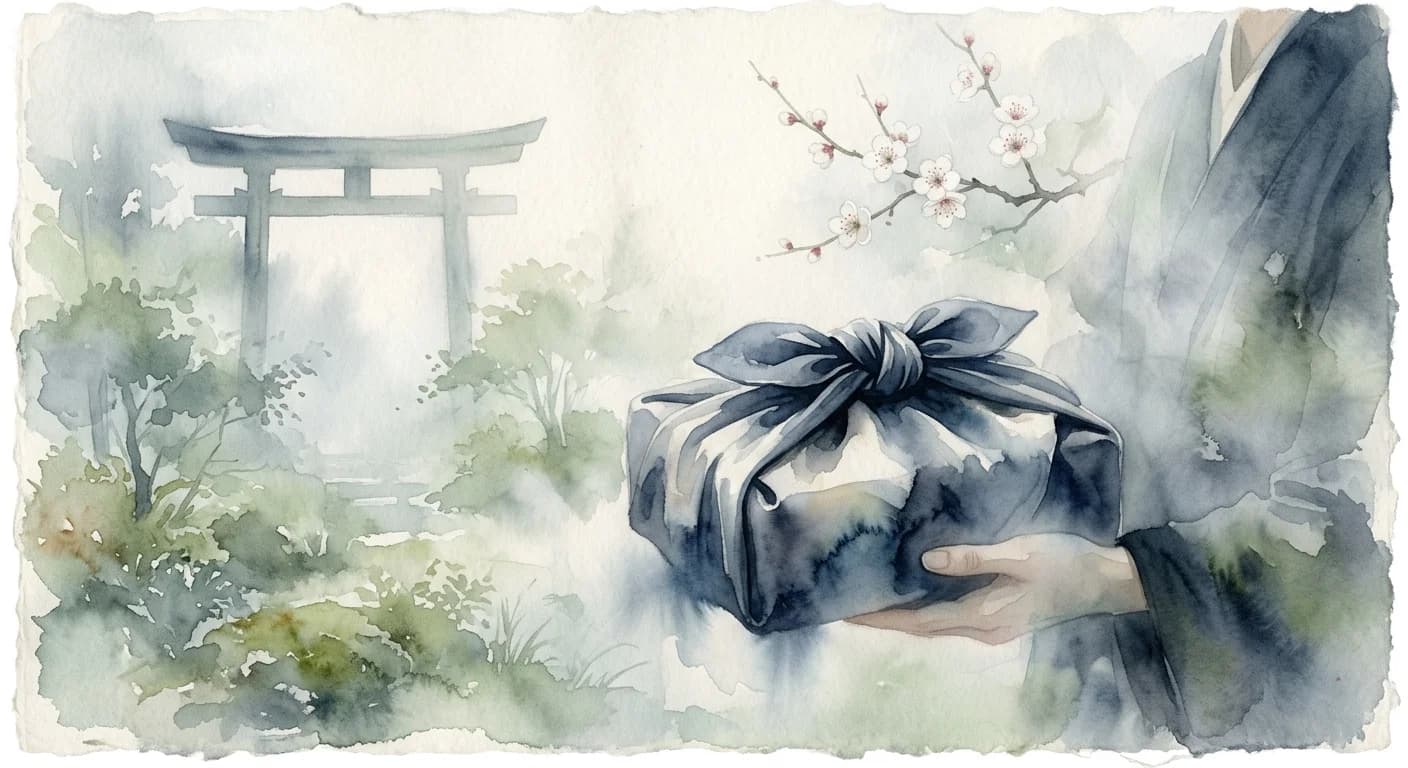
    Artistic representation of Musubi
    Japanese•
    🇯🇵Japan

    Musubi

    /moo-SOO-bee/

    Meaning

    Musubi transcends the simple act of tying; it embodies the profound Japanese concept of connection, unity, and the intricate threads that bind existence. It speaks to the harmonious joining of elements, whether physically, like the careful shaping of rice into onigiri, or metaphorically, as in the unseen bonds linking people, events, and even time itself. This word encapsulates a worldview where all things are fundamentally interconnected, emphasizing the beauty and strength found in such interwoven relationships.

    Literal Translation

    Binding, tying

    The Story Behind the Word

    The concept of musubi is deeply rooted in ancient Shinto beliefs, particularly the idea of kami (deities) as forces that connect and generate life. In Shinto, musubi is seen as a divine power of creation, growth, and harmonization, central to the cosmos. This spiritual foundation permeates Japanese aesthetics and daily life, fostering an appreciation for intricate craftsmanship, the meticulous preparation of food, and the importance of social harmony. It reveals a cultural understanding that emphasizes relationality over individualism, where the strength and beauty of any entity are often derived from its connections and how well its parts are integrated. From the construction of traditional architecture to the art of ikebana, musubi is an underlying principle guiding the creation of balance and interconnectedness.

    Experience It

    Onigiri Musubi

    A grandmother carefully presses warm rice in her hands, shaping it around a savory filling. Each gentle squeeze and fold is an act of musubi, not just binding the rice, but imbuing it with her care and the warmth of home, creating a perfect, comforting bite.

    Fateful Musubi

    Two strangers meet by chance on a rainy day, sharing an umbrella and a laugh. They feel an inexplicable connection, a sense that their paths were destined to intertwine. This unexpected encounter is seen as a musubi, a binding of destinies that will unfold over time.

    The Deeper Meaning

    Musubi reveals a holistic worldview where existence is not a collection of isolated entities, but a dynamic, interwoven tapestry. It suggests that true meaning and beauty arise from the relationships between things, and that harmony is achieved through the mindful integration and respectful recognition of these connections. This philosophy fosters a sense of responsibility towards maintaining balance and appreciating the subtle yet powerful bonds that shape our realities.

    Did You Know?

    The Japanese creation myth features the deity Takamimusubi, whose name literally translates to 'High Creator Musubi,' highlighting the concept's divine connection to the very act of creation itself.

    How It's Used

    Used to describe the act of tying, binding, or connecting, often in relation to food preparation (like onigiri) or traditional crafts, but also metaphorically for relationships and events.

    Emotions
    belonging,gratitude,peace
    Contexts
    dining,family,work
    🇯🇵Japan

    by Anya Petrova·Written Mar 14, 2026·Updated Apr 3, 2026

    Related Words

    Explore more
    Dolce far nienteItalian

    Dolce far niente captures the profound joy and effortless pleasure derived from simply existing without obligation or purpose. It's the art of savoring moments of pure, unadulterated idleness – lying in the sun, watching the clouds drift, or enjoying a leisurely coffee – not as a break from work, but as a valuable state in itself. This 'sweetness of doing nothing' is a conscious embrace of stillness and contentment, allowing the soul to breathe and the senses to fully engage with the present.

    SobremesaSpanish

    Sobremesa is the cherished, often extended period immediately following a meal, particularly lunch or dinner, where diners remain seated at the table to enjoy conversation, coffee, and digest not just the food, but the company itself. It’s a dedicated time for unhurried social bonding, storytelling, and shared laughter, transforming a simple meal into a profound communal experience. Far from just clearing the dishes, sobremesa is an integral part of Spanish social life, often lasting for hours.

    Wabi-sabiJapanese

    Wabi-sabi is the profound appreciation for the ephemeral, the imperfect, and the incomplete aspects of existence. It is about discovering beauty in the subtle textures of age, the unique character of flaws, and the gentle decay that marks the passage of time. This philosophy encourages a quiet acceptance of impermanence and a mindful connection to the natural world, finding elegance in simplicity and authenticity.

    IkigaiJapanese

    Ikigai is more than just a reason to get out of bed; it's a deeply personal and evolving sense of purpose that brings genuine fulfillment and joy to one's life. It represents the sweet spot where your passions, talents, needs of the world, and what you can be paid for beautifully converge. Discovering your ikigai often leads to a life lived with intentionality, resilience, and a profound connection to one's contributions. It's the intrinsic motivation that fuels a meaningful existence, regardless of external circumstances.