U.
HomeRegionsLanguagesEmotionsCollections
Find Your Word

“The limits of my language mean the limits of my world.”

— Ludwig Wittgenstein, Philosopher

Untranslatable

A curated collection of the world's most beautiful expressions—words that remind us language is humanity's greatest invention.

  • Home
  • Collections
  • Regions
  • Countries
  • Emotions
  • Tags
  • Contexts
  • Finder
  • Europe
  • Asia
  • Americas
  • Africa
  • Middle East
  • About
  • Contact
  • Privacy Policy
  • Terms of Service

2026 © Untranslatable. All rights reserved.

    /
    /
    1. Home
    2. /
    3. Asia
    4. /
    5. Paggawa
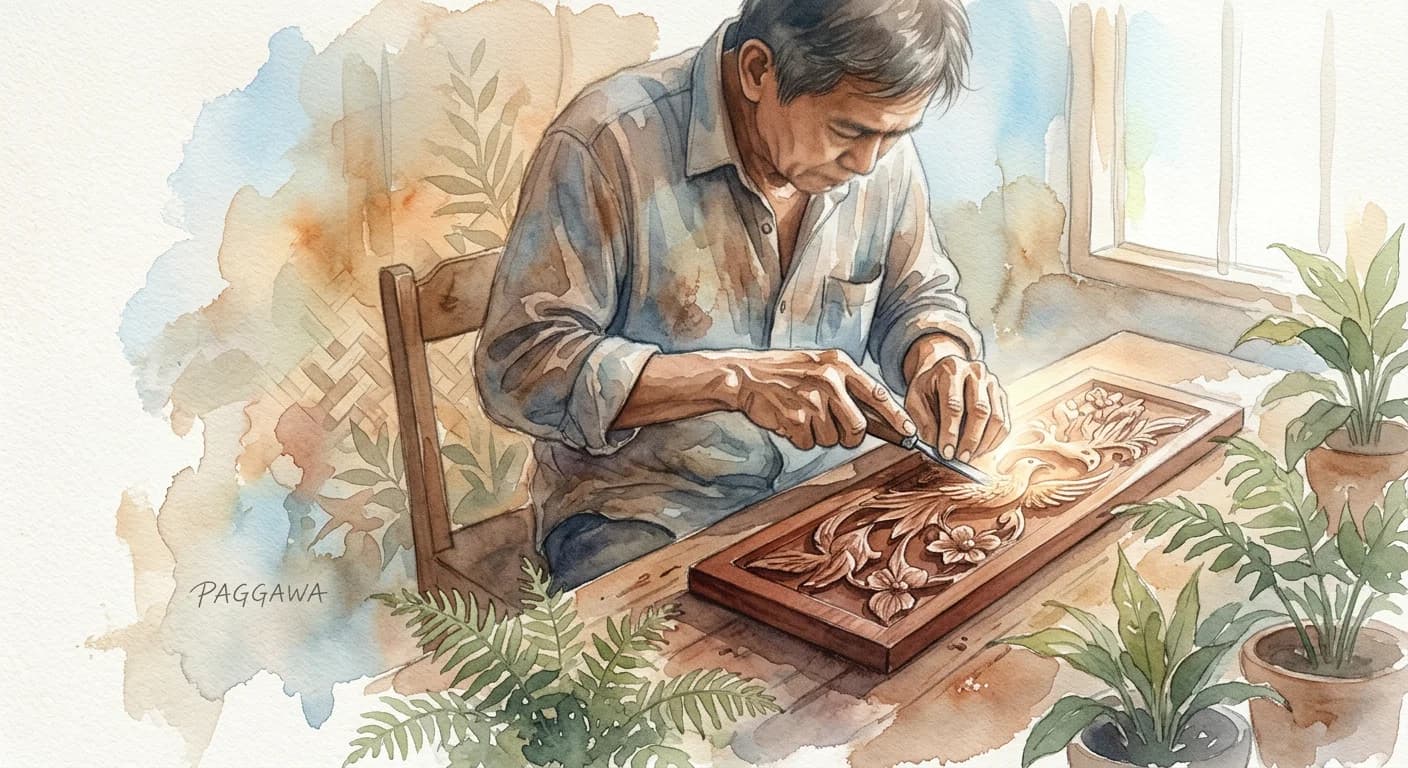
    Artistic representation of Paggawa
    Filipino•
    🇵🇭Philippines

    Paggawa

    /PAHG-gah-wah/

    Meaning

    Paggawa transcends mere labor; it is the profound satisfaction and inherent dignity found in dedicating oneself to an endeavor, whether crafting, serving, or fulfilling a duty. It encapsulates the deep pride and sense of purpose derived from investing effort, skill, and heart into creating something valuable or contributing meaningfully. This concept highlights the Filipino reverence for diligence, ingenuity, and the self-worth cultivated through honest, purposeful work, transforming tasks into acts of personal and communal significance.

    Literal Translation

    the act of doing/making/working

    The Story Behind the Word

    Paggawa is deeply embedded in the Filipino cultural fabric, reflecting a historical reliance on communal effort and individual responsibility for survival and prosperity. In a society where resources were often scarce, and communities thrived through collective action, the act of 'making' or 'doing' was never just transactional; it was a testament to one's character, resilience, and contribution to the greater good. This ethos is rooted in pre-colonial values of bayanihan (communal cooperation) and pagmamahal sa gawa (love for one's work), emphasizing that true work is imbued with integrity and dedication. It reveals a worldview where labor is not a curse but a blessing, a pathway to self-respect and societal integration, fostering a sense of belonging and mutual dependence. The dignity of honest toil, regardless of its perceived status, is a core tenet, shaping identity and social standing.

    Experience It

    Master Weaver's Dedication

    Aling Nena spends weeks meticulously weaving a traditional t'nalak cloth, each thread a testament to her skill and patience. Her paggawa isn't just about creating a product; it's about preserving heritage and pouring her spirit into every intricate pattern.

    Community Garden Effort

    Barangay members gather early, tilling the soil and planting vegetables in their communal garden. Their collective paggawa ensures food security for everyone, fostering a strong bond built on shared labor and mutual benefit.

    The Deeper Meaning

    Paggawa embodies a philosophy that intertwines personal identity with productive effort. It posits that true fulfillment and dignity are not found in idleness or mere consumption, but in the active, conscious application of one's faculties to create, build, or serve. This worldview elevates labor from a means to an end, transforming it into a spiritual practice that cultivates character, fosters community, and gives profound meaning to existence.

    Did You Know?

    The root word 'gawa' means 'to do' or 'to make,' but with the prefix 'pag-,' it amplifies the notion of the *process* and *effort* involved, not just the outcome.

    How It's Used

    Used to describe the act of working, laboring, or creating something with dedication and pride.

    Emotions
    belonging,contentment,gratitude,pride
    Contexts
    community,family,work
    🇵🇭Philippines

    by Dr. Kenji Tanaka·Written Mar 14, 2026·Updated Apr 3, 2026

    Related Words

    Explore more
    HyggeDanish

    Hygge is more than mere coziness; it's a holistic embrace of comfort, warmth, and belonging that nourishes the soul. It describes the intentional creation of an intimate atmosphere where simple pleasures, genuine connection, and mindful presence converge, fostering a profound sense of contentment and well-being. It's about finding joy and peace in the small, everyday moments, often shared with loved ones.

    SobremesaSpanish

    Sobremesa is the cherished, often extended period immediately following a meal, particularly lunch or dinner, where diners remain seated at the table to enjoy conversation, coffee, and digest not just the food, but the company itself. It’s a dedicated time for unhurried social bonding, storytelling, and shared laughter, transforming a simple meal into a profound communal experience. Far from just clearing the dishes, sobremesa is an integral part of Spanish social life, often lasting for hours.

    Wabi-sabiJapanese

    Wabi-sabi is the profound appreciation for the ephemeral, the imperfect, and the incomplete aspects of existence. It is about discovering beauty in the subtle textures of age, the unique character of flaws, and the gentle decay that marks the passage of time. This philosophy encourages a quiet acceptance of impermanence and a mindful connection to the natural world, finding elegance in simplicity and authenticity.

    IkigaiJapanese

    Ikigai is more than just a reason to get out of bed; it's a deeply personal and evolving sense of purpose that brings genuine fulfillment and joy to one's life. It represents the sweet spot where your passions, talents, needs of the world, and what you can be paid for beautifully converge. Discovering your ikigai often leads to a life lived with intentionality, resilience, and a profound connection to one's contributions. It's the intrinsic motivation that fuels a meaningful existence, regardless of external circumstances.