U.
HomeRegionsLanguagesEmotionsCollections
Find Your Word

“The limits of my language mean the limits of my world.”

— Ludwig Wittgenstein, Philosopher

Untranslatable

A curated collection of the world's most beautiful expressions—words that remind us language is humanity's greatest invention.

  • Home
  • Collections
  • Regions
  • Countries
  • Emotions
  • Tags
  • Contexts
  • Finder
  • Europe
  • Asia
  • Americas
  • Africa
  • Middle East
  • About
  • Contact
  • Privacy Policy
  • Terms of Service

2026 © Untranslatable. All rights reserved.

    /
    /
    1. Home
    2. /
    3. Europe
    4. /
    5. Pousse-rapière
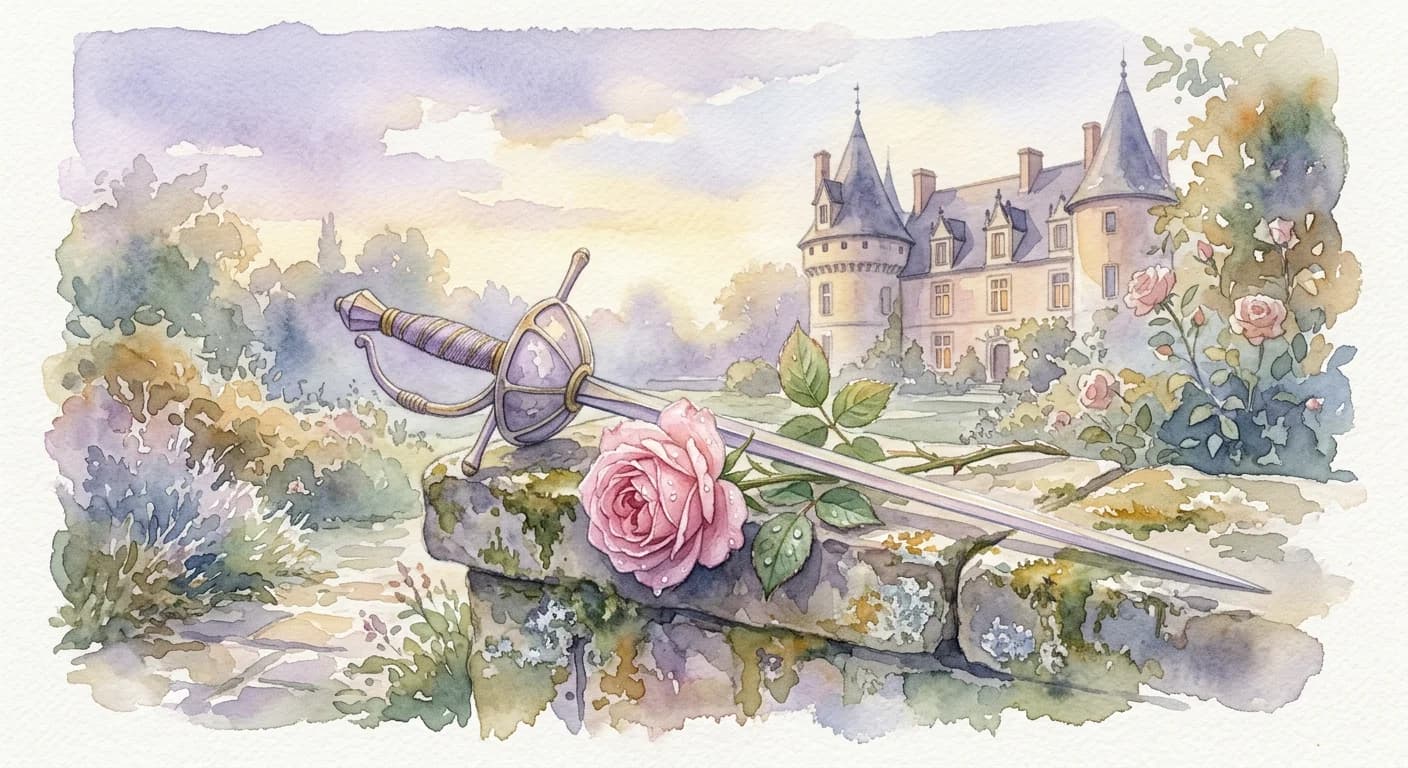
    Artistic representation of Pousse-rapière
    French•
    🇫🇷France

    Pousse-rapière

    /POOS-rah-pee-AIR/

    Meaning

    A "pousse-rapière" is more than just a sword; it embodies the spirit of 17th-century French chivalry and the art of elegant combat. This light, thrusting weapon, literally a "sword-pusher," was the instrument of choice for gentlemen engaging in duels of honor, demanding precision, agility, and a sophisticated understanding of fencing. It evokes images of aristocratic grace, sharp wit, and the dramatic interplay of skill and courage that defined an era obsessed with personal reputation and the delicate balance of social standing.

    Literal Translation

    Sword-pusher

    The Story Behind the Word

    The term "pousse-rapière" is deeply rooted in French aristocratic culture from the Renaissance through the Age of Enlightenment. Its existence highlights a society where personal honor was paramount, often defended or challenged through ritualized duels. The word reflects a cultural veneration for not just the weapon itself, but the exquisite skill, discipline, and even the theatricality involved in its mastery. It speaks to a worldview where martial prowess, particularly with a refined weapon like the rapier, was intertwined with social status, education, and masculine identity, distinguishing the noble from the commoner. This word encapsulates a period where life and death could hinge on a perfectly executed thrust, demonstrating a profound respect for the 'art' of combat rather than mere brute force.

    Experience It

    A Duel of Honor

    Amidst the dawn mist, two gentlemen faced each other, their cloaks discarded. With a flourish, one drew his "pousse-rapière," its slender blade glinting, a silent promise of the precise, deadly dance about to unfold for the sake of a perceived slight.

    Fencing Master's Lesson

    The fencing master corrected his student's stance, emphasizing the subtle wrist flick. "Remember," he instructed, "the 'pousse-rapière' is an extension of your will, not merely a weapon; every thrust must be deliberate, every parry a statement of intent."

    The Deeper Meaning

    The "pousse-rapière" embodies a philosophy where precision, control, and intellectual strategy were valued over raw power. It reflects a worldview that elevated combat from a brutal clash to a refined art form, where mastery of a delicate instrument and the swiftness of mind were seen as true measures of a man's character and honor, rather than mere physical strength.

    Did You Know?

    While associated with duels, the 'pousse-rapière' was also a fashionable accessory. Its ornate hilt and slender form were often chosen to complement a gentleman's attire, making it both a tool for combat and a symbol of status.

    How It's Used

    Used to describe a type of sword, particularly a rapier, and by extension, the skillful, precise movements associated with its use in fencing or dueling.

    Emotions
    serenity,wonder
    Contexts
    dining,relaxation,travel
    🇫🇷France

    by Sofia Rossi·Written Mar 14, 2026·Updated Apr 3, 2026

    Related Words

    Explore more
    HyggeDanish

    Hygge is more than mere coziness; it's a holistic embrace of comfort, warmth, and belonging that nourishes the soul. It describes the intentional creation of an intimate atmosphere where simple pleasures, genuine connection, and mindful presence converge, fostering a profound sense of contentment and well-being. It's about finding joy and peace in the small, everyday moments, often shared with loved ones.

    SaudadePortuguese

    Saudade encapsulates a profound, melancholic longing for something or someone cherished that is absent, often with the bittersweet knowledge that it may never return. It's a deep emotional state tinged with nostalgia, evoking a sense of loss for past experiences, places, or people, yet also holding a tender appreciation for the beauty of what once was. This yearning is not merely sadness, but a complex tapestry of desire, memory, and a poignant acceptance of absence, holding the beloved in a warm, persistent embrace within the heart.

    GezelligDutch

    Gezellig encapsulates a profound sense of warmth, belonging, and convivial comfort, extending beyond mere coziness to embrace the social and emotional atmosphere. It's the feeling of being truly at ease, surrounded by good company, laughter, and a shared sense of contentment. This untranslatable term describes not just a physical space, but a holistic experience where time seems to slow down, fostering genuine connection and a deep sense of well-being.

    Dolce far nienteItalian

    Dolce far niente captures the profound joy and effortless pleasure derived from simply existing without obligation or purpose. It's the art of savoring moments of pure, unadulterated idleness – lying in the sun, watching the clouds drift, or enjoying a leisurely coffee – not as a break from work, but as a valuable state in itself. This 'sweetness of doing nothing' is a conscious embrace of stillness and contentment, allowing the soul to breathe and the senses to fully engage with the present.