U.
HomeRegionsLanguagesEmotionsCollections
Find Your Word

“The limits of my language mean the limits of my world.”

— Ludwig Wittgenstein, Philosopher

Untranslatable

A curated collection of the world's most beautiful expressions—words that remind us language is humanity's greatest invention.

  • Home
  • Collections
  • Regions
  • Countries
  • Emotions
  • Tags
  • Contexts
  • Finder
  • Europe
  • Asia
  • Americas
  • Africa
  • Middle East
  • About
  • Contact
  • Privacy Policy
  • Terms of Service

2026 © Untranslatable. All rights reserved.

    /
    /
    1. Home
    2. /
    3. Europe
    4. /
    5. Radost
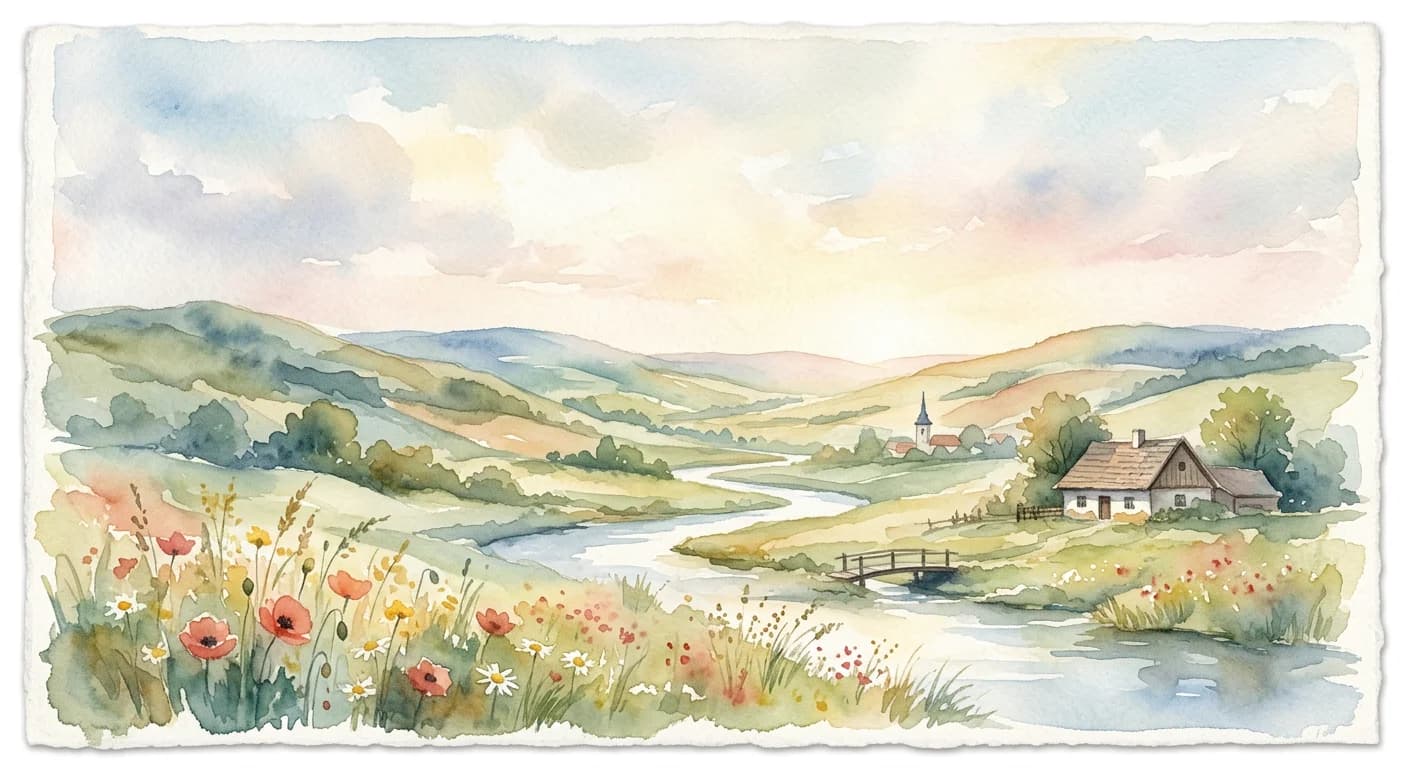
    Artistic representation of Radost
    Czech•
    🇨🇿Czech Republic🇸🇰Slovakia

    Radost

    /RAH-dost/

    Meaning

    Radost is more than mere happiness; it's a profound, often spontaneous surge of pure, unadulterated delight that permeates one's entire being. It's an inner radiance, a vibrant appreciation for life's simple gifts and meaningful connections, often experienced as a deep-seated contentment that feels intrinsically tied to the Czech and Slovak spirit. This feeling signifies a joyful acceptance of the present moment, a genuine well-being that resonates from within, rather than a superficial or fleeting good mood.

    Literal Translation

    joy, happiness

    The Story Behind the Word

    The concept of 'radost' is deeply woven into the fabric of Czech culture, reflecting a resilient spirit forged through centuries of historical challenges, including periods of foreign domination and political upheaval. Despite hardships, Czechs have often found solace and strength in appreciating life's simple pleasures, community bonds, and the beauty of their natural surroundings. 'Radost' embodies this ability to find profound joy amidst adversity, a quiet, inner contentment that doesn't rely on grand external circumstances. It reveals a cultural emphasis on genuine, heartfelt experience over ostentatious displays, and a worldview that values an authentic connection to life's intrinsic goodness. It's a testament to finding light even in darker times, fostering a sense of enduring optimism and appreciation.

    Experience It

    Unexpected Spring Bloom

    Walking through the park on a brisk spring morning, Anna suddenly noticed the first tiny snowdrop pushing through the still-cold earth. A wave of 'radost' washed over her, a quiet, profound joy at the resilience of nature and the promise of new beginnings.

    Family Reunion Laughter

    At their annual family gathering, Michal watched his grandchildren playing boisterously in the garden, their laughter echoing through the air. A deep sense of 'radost' filled him, a warmth born from seeing his loved ones together, healthy, and happy.

    The Deeper Meaning

    Radost reflects a philosophical stance that true contentment is an internal state, not solely dependent on external achievements or material possessions. It suggests a wisdom in appreciating the present moment and finding beauty in simplicity, advocating for a life lived with a grateful heart and an open spirit. This perspective highlights resilience and an innate capacity for joy even in challenging circumstances.

    Did You Know?

    The word 'radost' shares its Slavic root with words for 'to be glad' and 'to give birth,' subtly linking joy to creation and new life.

    How It's Used

    Used to describe a state of happiness, delight, or joy, often in response to a positive event or a general feeling of well-being.

    Emotions
    contentment,gratitude,joy,warmth
    Contexts
    celebration,family,friendship,relaxation
    🇨🇿Czech Republic🇸🇰Slovakia

    by Dr. Kenji Tanaka·Written Mar 14, 2026·Updated Apr 3, 2026

    Related Words

    Explore more
    HyggeDanish

    Hygge is more than mere coziness; it's a holistic embrace of comfort, warmth, and belonging that nourishes the soul. It describes the intentional creation of an intimate atmosphere where simple pleasures, genuine connection, and mindful presence converge, fostering a profound sense of contentment and well-being. It's about finding joy and peace in the small, everyday moments, often shared with loved ones.

    SaudadePortuguese

    Saudade encapsulates a profound, melancholic longing for something or someone cherished that is absent, often with the bittersweet knowledge that it may never return. It's a deep emotional state tinged with nostalgia, evoking a sense of loss for past experiences, places, or people, yet also holding a tender appreciation for the beauty of what once was. This yearning is not merely sadness, but a complex tapestry of desire, memory, and a poignant acceptance of absence, holding the beloved in a warm, persistent embrace within the heart.

    GezelligDutch

    Gezellig encapsulates a profound sense of warmth, belonging, and convivial comfort, extending beyond mere coziness to embrace the social and emotional atmosphere. It's the feeling of being truly at ease, surrounded by good company, laughter, and a shared sense of contentment. This untranslatable term describes not just a physical space, but a holistic experience where time seems to slow down, fostering genuine connection and a deep sense of well-being.

    Dolce far nienteItalian

    Dolce far niente captures the profound joy and effortless pleasure derived from simply existing without obligation or purpose. It's the art of savoring moments of pure, unadulterated idleness – lying in the sun, watching the clouds drift, or enjoying a leisurely coffee – not as a break from work, but as a valuable state in itself. This 'sweetness of doing nothing' is a conscious embrace of stillness and contentment, allowing the soul to breathe and the senses to fully engage with the present.