U.
HomeRegionsLanguagesEmotionsCollections
Find Your Word

“The limits of my language mean the limits of my world.”

— Ludwig Wittgenstein, Philosopher

Untranslatable

A curated collection of the world's most beautiful expressions—words that remind us language is humanity's greatest invention.

  • Home
  • Collections
  • Regions
  • Countries
  • Emotions
  • Tags
  • Contexts
  • Finder
  • Europe
  • Asia
  • Americas
  • Africa
  • Middle East
  • About
  • Contact
  • Privacy Policy
  • Terms of Service

2026 © Untranslatable. All rights reserved.

    /
    /
    1. Home
    2. /
    3. Asia
    4. /
    5. Saiaku
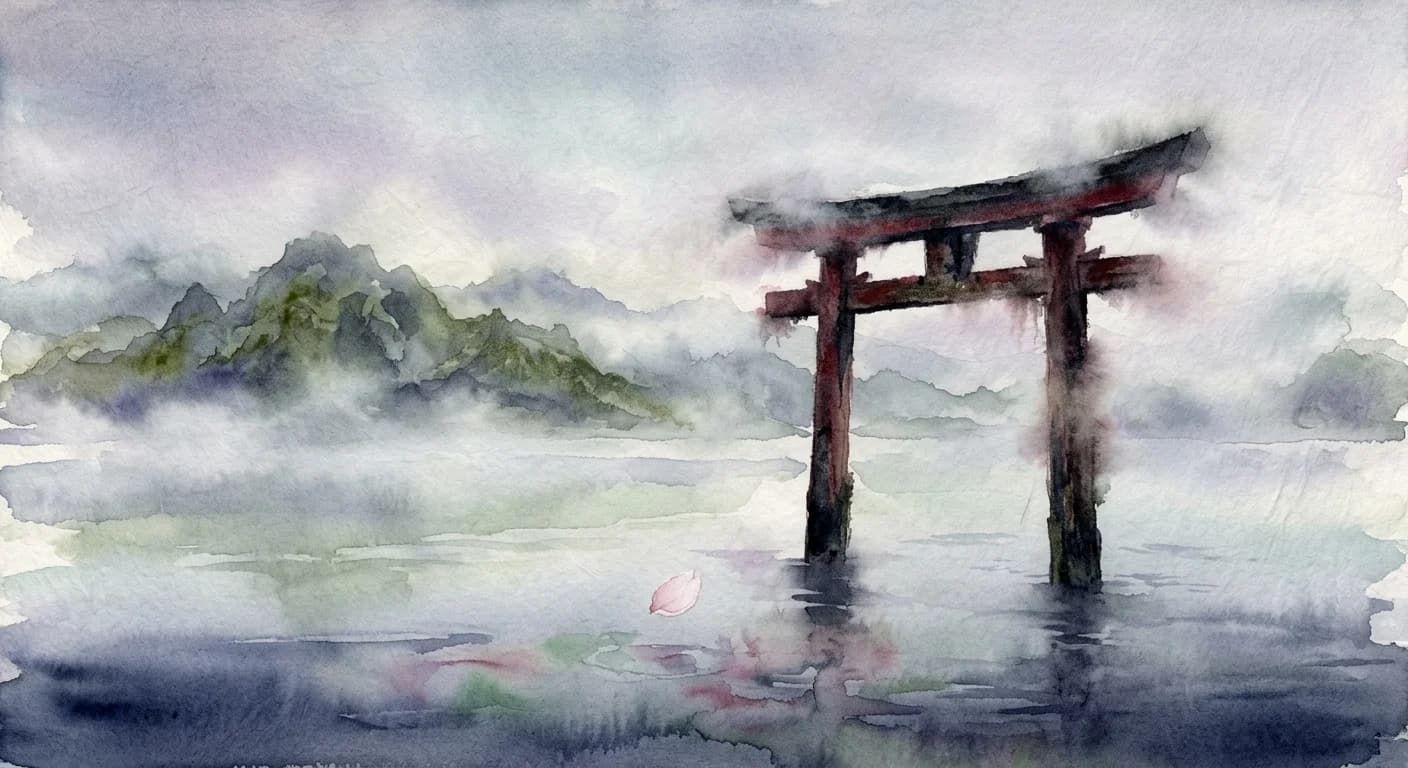
    Artistic representation of Saiaku
    Japanese•
    🇯🇵Japan

    Saiaku

    /SAI-ah-koo/

    Meaning

    Saiaku (最低) transcends a simple 'the worst,' embodying a profound sense of utter despondency or a situation reaching an irredeemable nadir. It articulates not merely something bad, but a feeling of absolute rock bottom, often tinged with a deep sigh of resignation or a sense of things being irrevocably dreadful. It's the moment when hope dwindles, and one recognizes the full, crushing weight of an unfortunate outcome, expressing a comprehensive collapse of expectation or well-being.

    Literal Translation

    worst / lowest

    The Story Behind the Word

    The deep resonance of 'saiaku' in Japanese culture can be traced to a societal emphasis on harmony (wa) and meticulous effort, where failure or disruption can feel particularly acute. The concept of 'gaman' (enduring with patience and dignity) often precedes the utterance of 'saiaku,' implying that one has already pushed through difficulties, only to arrive at an even more dire state. This word reflects a cultural sensibility where collective well-being and individual responsibility intertwine, so a 'saiaku' situation isn't just personal misfortune but can also imply a failure to meet societal expectations or maintain order. It reveals a worldview that values perseverance but also acknowledges the profound despair when all efforts prove futile, highlighting a sensitivity to ultimate failure or deep disappointment.

    Experience It

    Failed Project Deadline

    After weeks of working overtime, the team's critical project was rejected by the client at the last minute due to an unfixable flaw. One team member slumped in their chair, head in hands, muttering, 'Ah, saiaku da...' (Oh, this is the worst...).

    Unexpected Rainstorm

    A family planned a long-awaited picnic, meticulously preparing food and games, only for a sudden, torrential downpour to start just as they arrived at the park. The mother sighed, looking at the sky, 'Saiaku! All that effort for nothing!'

    The Deeper Meaning

    The pervasive use of 'saiaku' reflects a worldview deeply attuned to the fragility of plans and the potential for things to go catastrophically wrong despite best efforts. It underscores a philosophical acceptance of impermanence (mujo) and the often-unpredictable nature of existence, where even diligently avoided misfortunes can ultimately manifest. It's a verbal expression of confronting one's limits and the limits of control, acknowledging the profound despair when reality delivers its harshest blow.

    Did You Know?

    While 'saiaku' means 'the worst,' it can sometimes be used ironically among close friends to describe a mildly inconvenient situation, adding a layer of playful exaggeration.

    How It's Used

    Used to describe a situation, feeling, or outcome that is considered the absolute worst or most unfortunate. It can be used in everyday conversations to express extreme dissatisfaction or dismay.

    Emotions
    melancholy,sadness
    Contexts
    dining,farewell,work
    🇯🇵Japan

    by Dr. Kenji Tanaka·Written Mar 14, 2026·Updated Apr 3, 2026

    Related Words

    Explore more
    SaudadePortuguese

    Saudade encapsulates a profound, melancholic longing for something or someone cherished that is absent, often with the bittersweet knowledge that it may never return. It's a deep emotional state tinged with nostalgia, evoking a sense of loss for past experiences, places, or people, yet also holding a tender appreciation for the beauty of what once was. This yearning is not merely sadness, but a complex tapestry of desire, memory, and a poignant acceptance of absence, holding the beloved in a warm, persistent embrace within the heart.

    Wabi-sabiJapanese

    Wabi-sabi is the profound appreciation for the ephemeral, the imperfect, and the incomplete aspects of existence. It is about discovering beauty in the subtle textures of age, the unique character of flaws, and the gentle decay that marks the passage of time. This philosophy encourages a quiet acceptance of impermanence and a mindful connection to the natural world, finding elegance in simplicity and authenticity.

    IkigaiJapanese

    Ikigai is more than just a reason to get out of bed; it's a deeply personal and evolving sense of purpose that brings genuine fulfillment and joy to one's life. It represents the sweet spot where your passions, talents, needs of the world, and what you can be paid for beautifully converge. Discovering your ikigai often leads to a life lived with intentionality, resilience, and a profound connection to one's contributions. It's the intrinsic motivation that fuels a meaningful existence, regardless of external circumstances.

    NunchiKorean

    Nunchi is the sophisticated, almost telepathic, ability to instantly grasp the unspoken dynamics of any social situation, anticipating others' thoughts and feelings, and then responding with impeccable grace and timing. It's an acute form of social intuition, allowing one to navigate complex interpersonal landscapes by reading subtle cues like body language, tone, and context. Possessing good nunchi means effortlessly understanding the underlying emotional currents and adjusting one's behavior to maintain harmony and effectiveness, often without a single word exchanged.

    Featured in 1 collection

    💔Words for the Brokenhearted